Umbrella Sourcing Service
Umbrellas are one of our top four product lines. MASA sources rain umbrellas, folding umbrellas, golf umbrellas, kids umbrellas and fashion umbrellas from the umbrella manufacturing hub of Shangyu and Xiamen, serving promotional distributors and retail programs across Europe and the United States.
We support custom printing, fabric and frame selection, wind-resistance testing and full container or consolidated shipments. From 10,000-piece promotional giveaways to structured retail umbrella ranges with private label branding, our team coordinates development, samples and inspection so every shipment opens smoothly.
Frames, Fabrics and Wind Performance
An umbrella is a frame first and a printed canopy second. Ribs in fibreglass flex and recover, steel ribs are cheaper and bend permanently, and aluminium sits between the two. Panel count matters as much as material: an eight-rib frame over the same canopy is visibly less stable in wind than a sixteen-rib frame, and that difference shows up in returns rather than in a catalogue photograph.
Canopy fabric is quoted by denier and coating. Pongee at 190T or 210T covers most promotional and retail programmes, with higher-density fabrics and additional coating used where water resistance or UV performance is a selling point. Shaft type, automatic or manual opening, and the runner mechanism are confirmed on a physical sample with a cycle test.
Folding, Golf and Promotional Umbrellas
Folding umbrellas are quoted by folded length: two-fold, three-fold and telescopic models trade compactness against durability, and a three-fold umbrella that is specified too short usually fails at the runner. Golf umbrellas sit at the opposite end, at 30 inches or above with a double canopy for venting, and are often bought as a corporate or club item where print quality matters more than folded size.
Promotional umbrellas are a deadline product. The specification is usually fixed by a unit cost and a delivery date rather than by a design brief, so the practical route is to establish the price point first and then present two or three builds inside it, with the print cost separated so the buyer can see the effect of going from one colour to full colour.
Kids, Print and Novelty Umbrellas
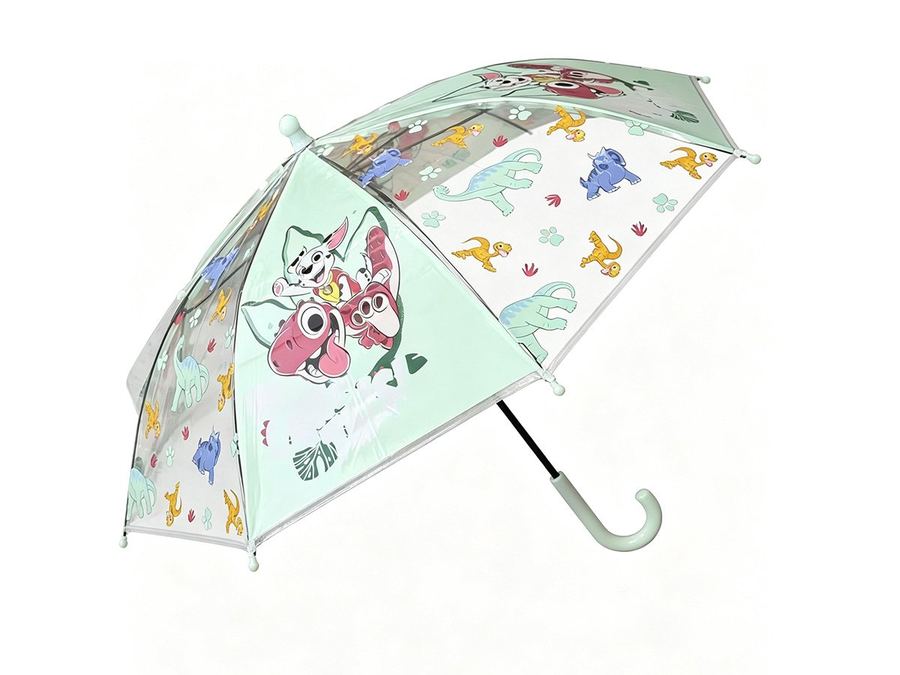
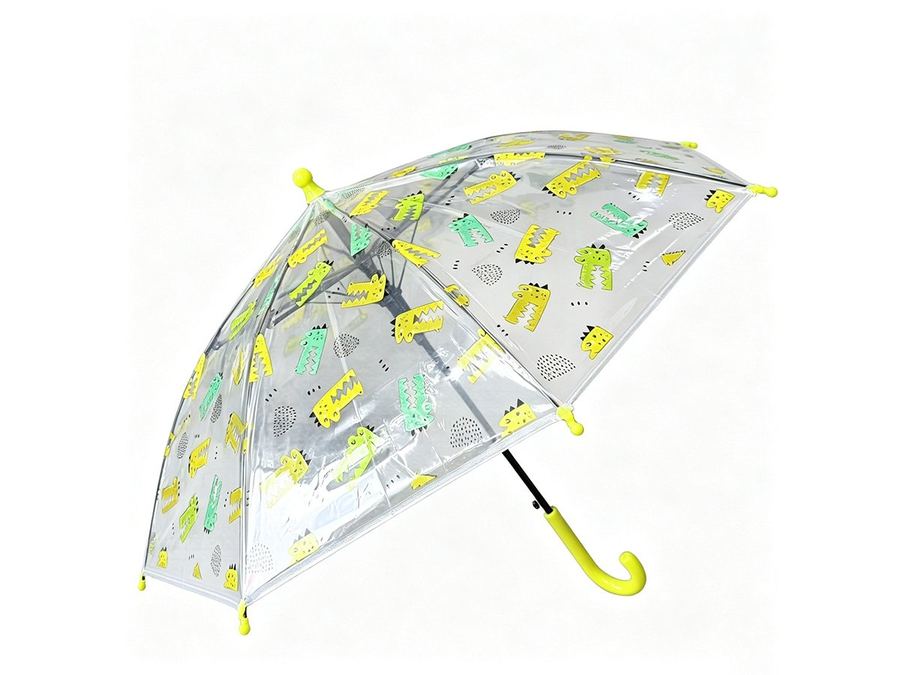
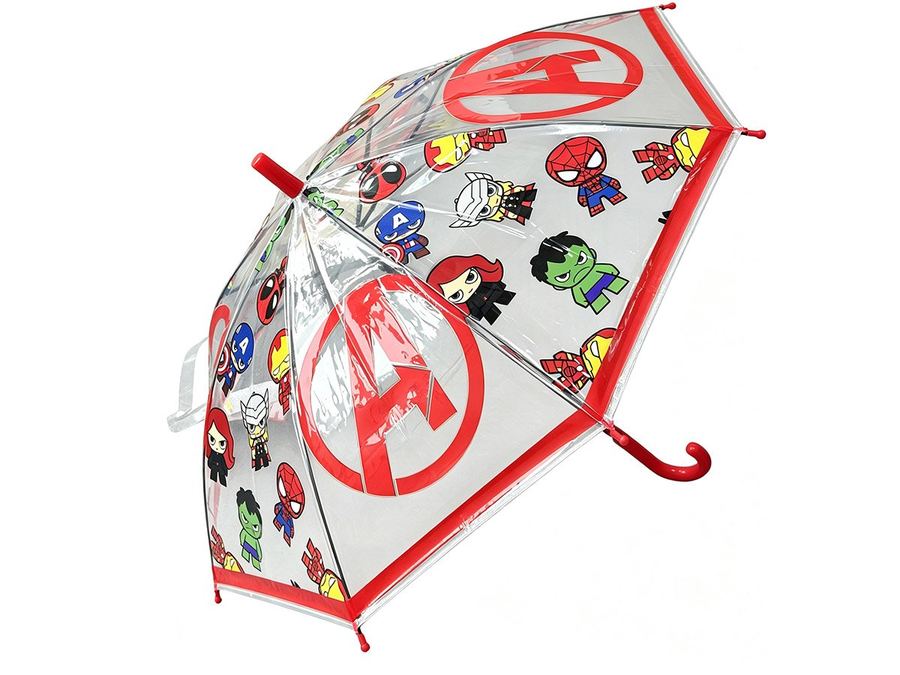
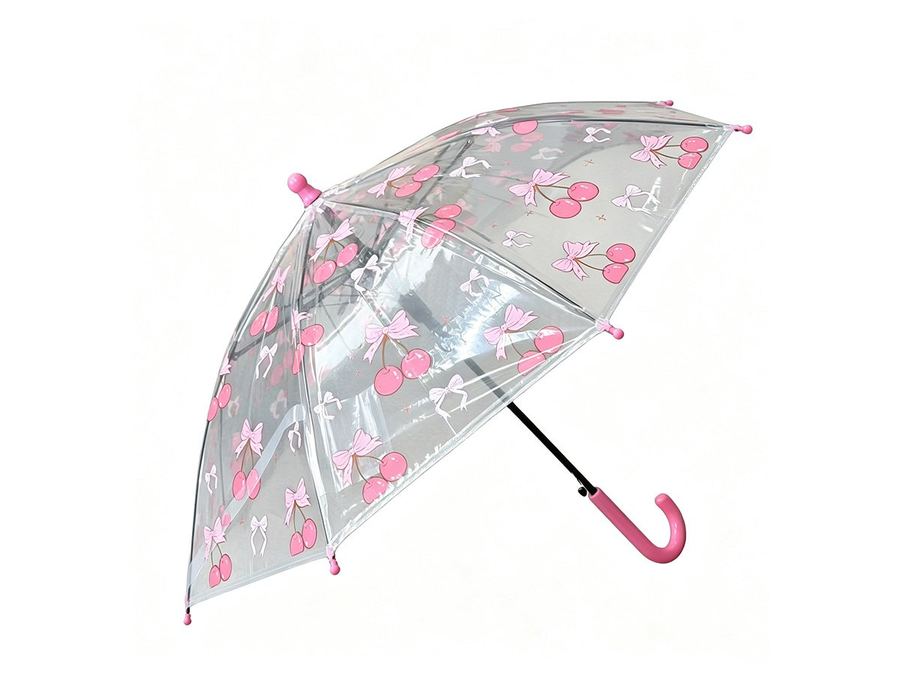
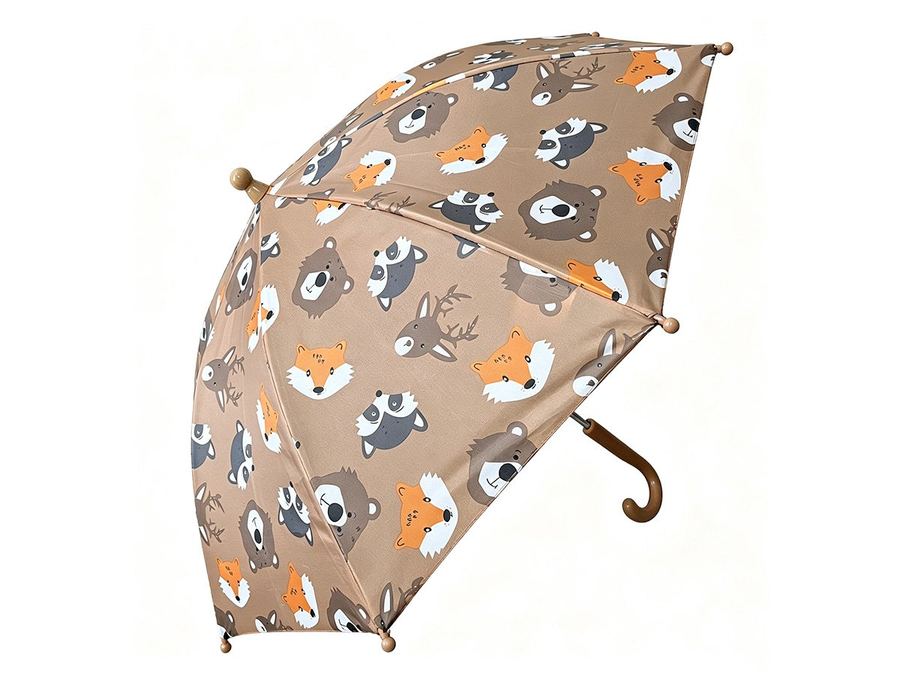
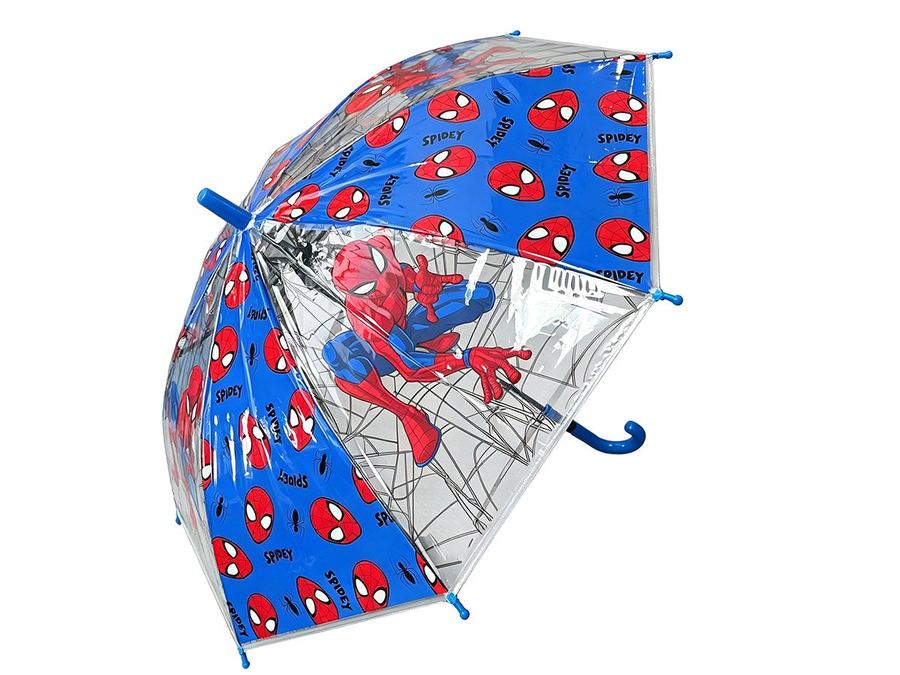
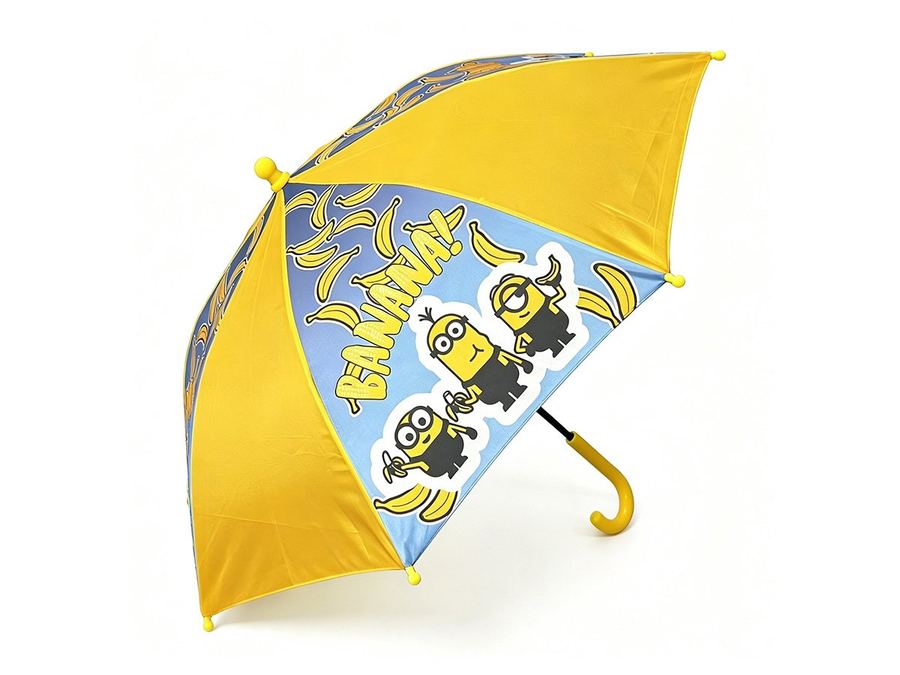
Children's umbrellas need a design review before a print review. Rounded or plastic tips, no exposed metal points, pinch-free opening mechanisms and a canopy sized so it can be carried without dragging are the baseline. Where an umbrella is marketed as a toy rather than as rainwear, toy safety requirements apply and the test plan changes accordingly.
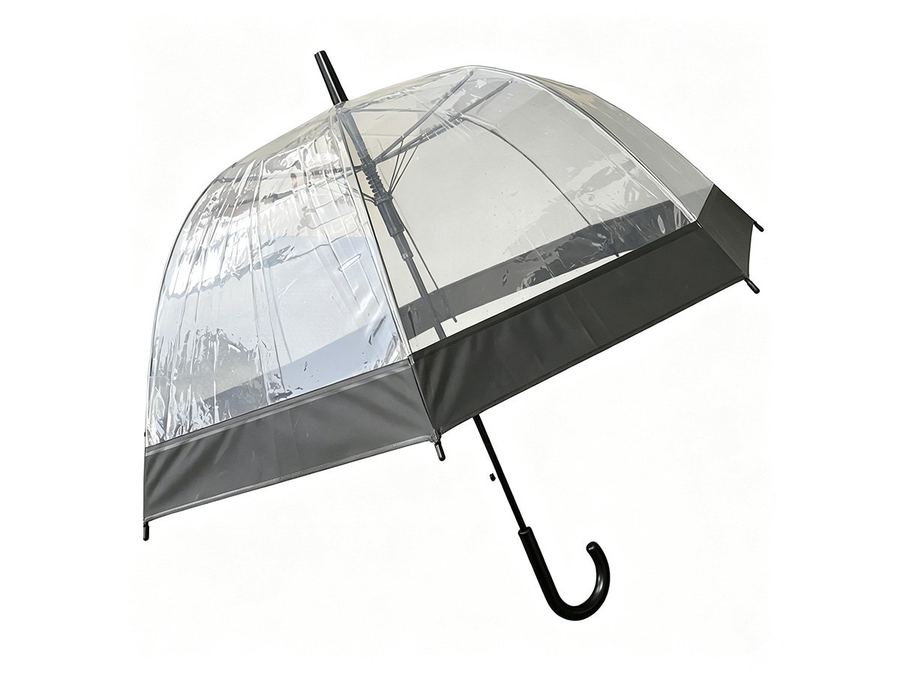
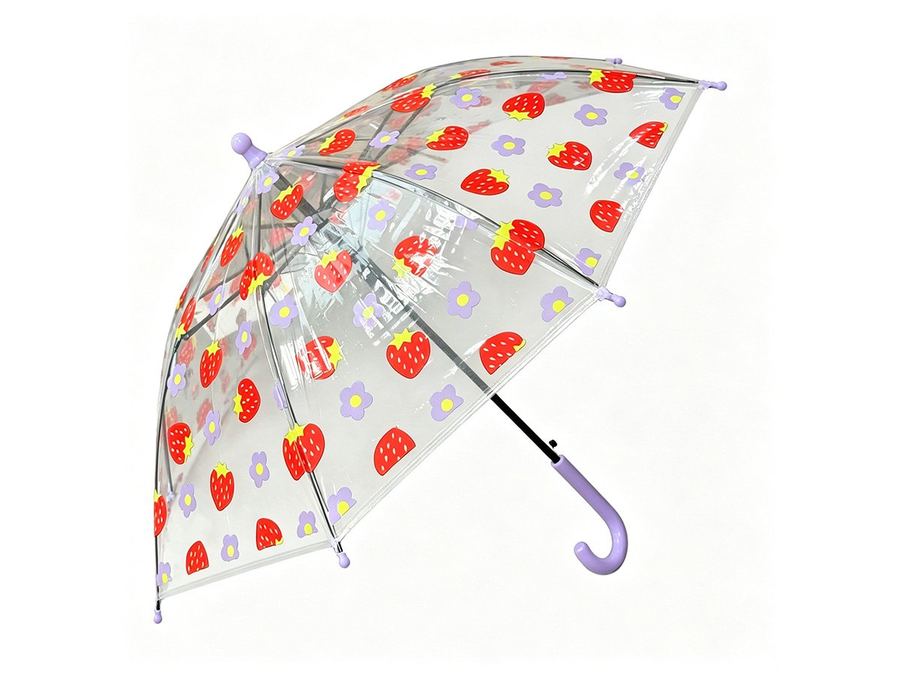
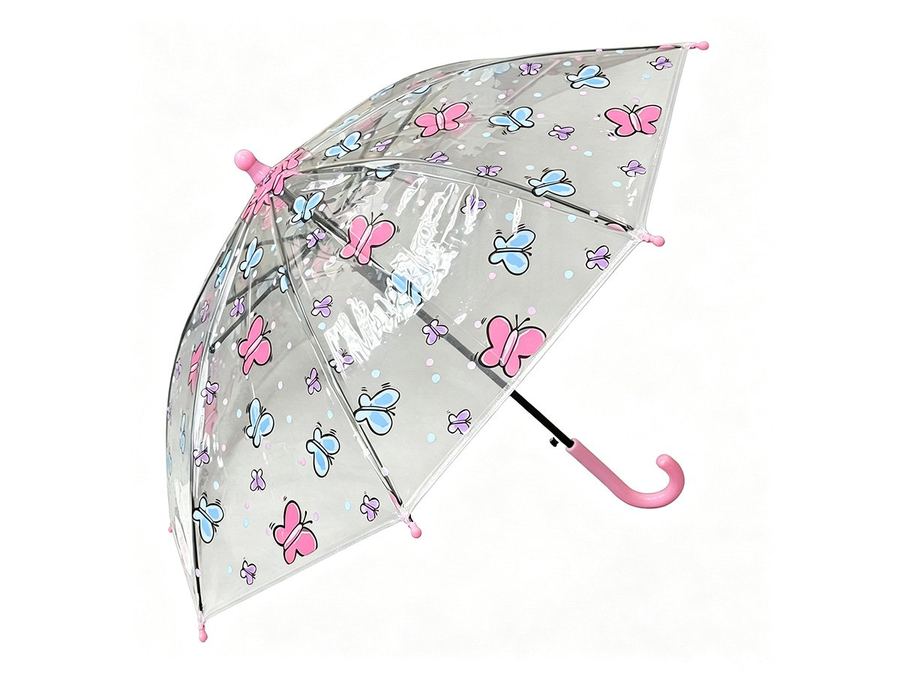
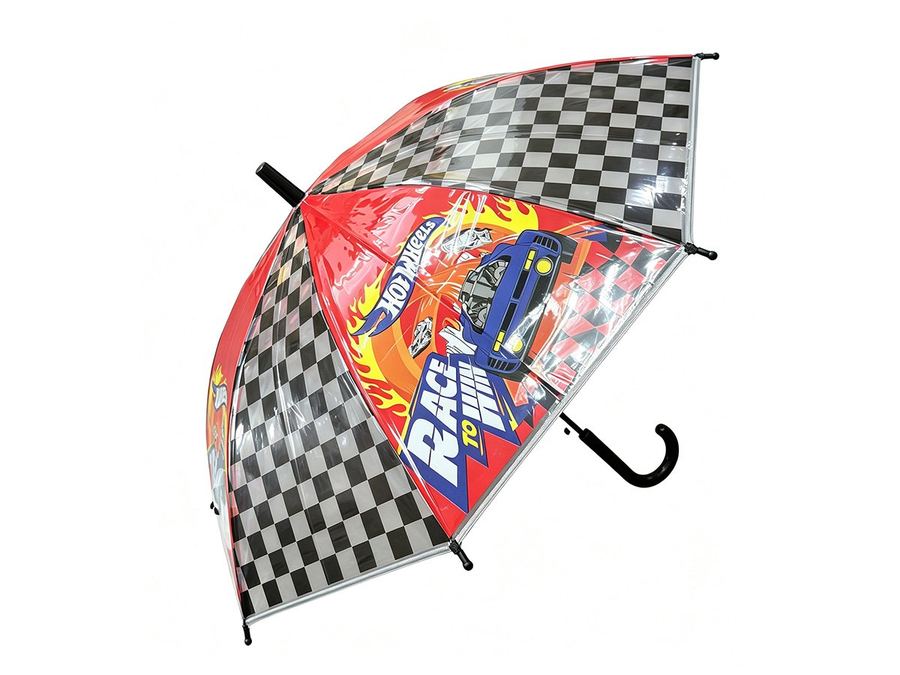
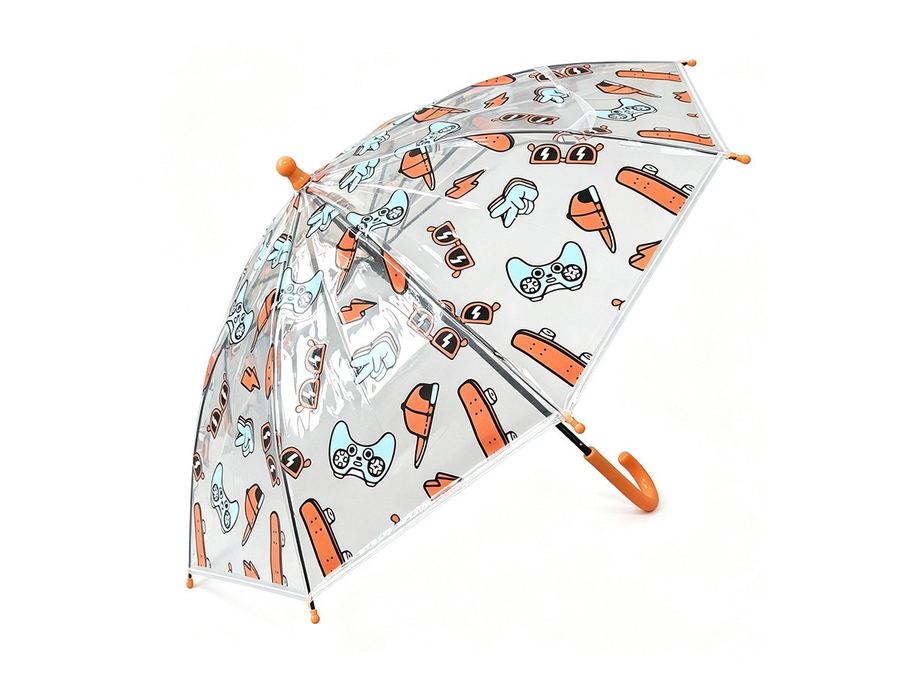
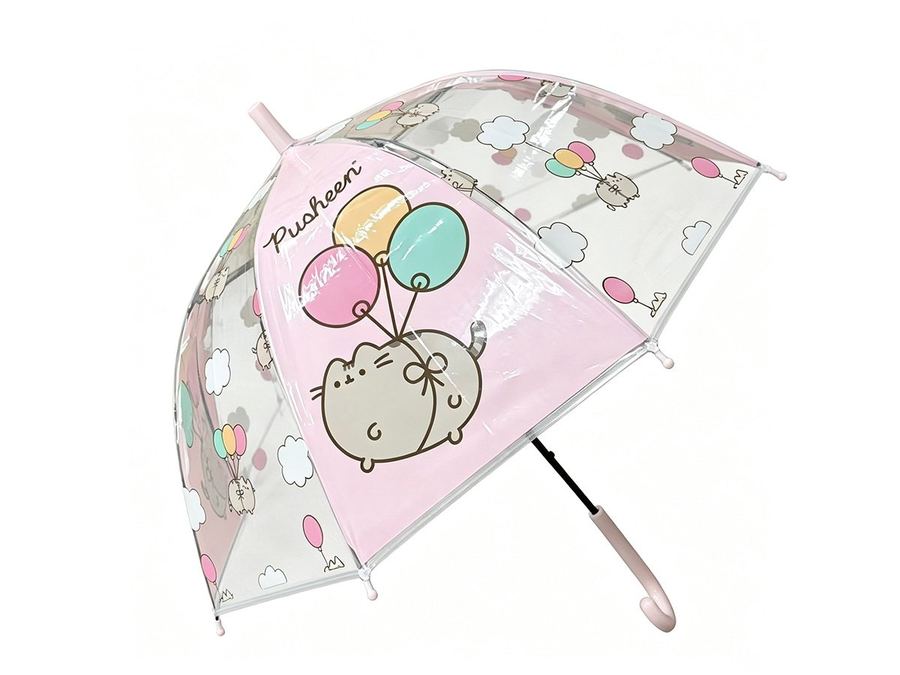
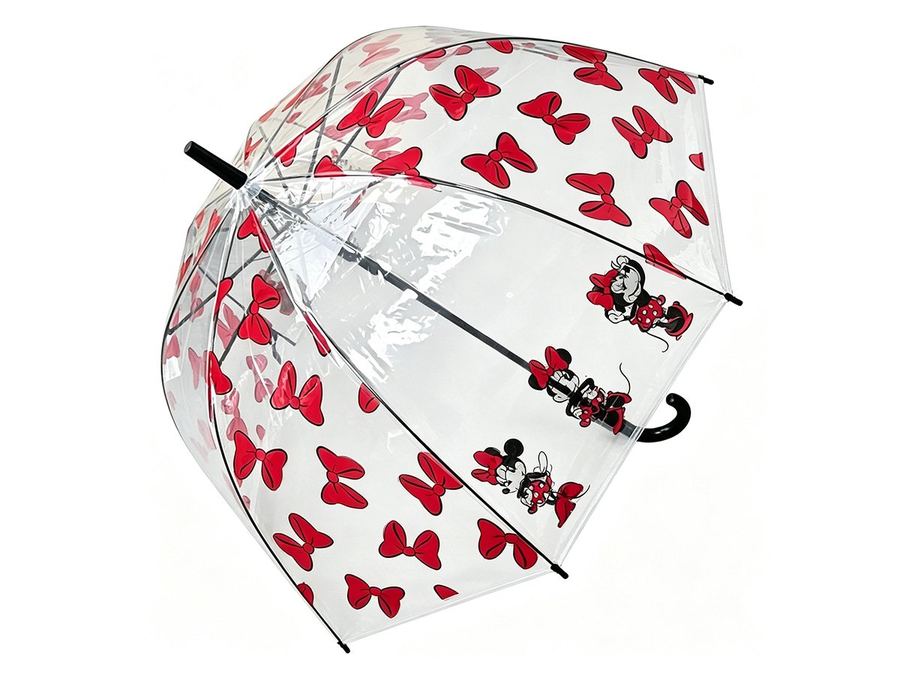
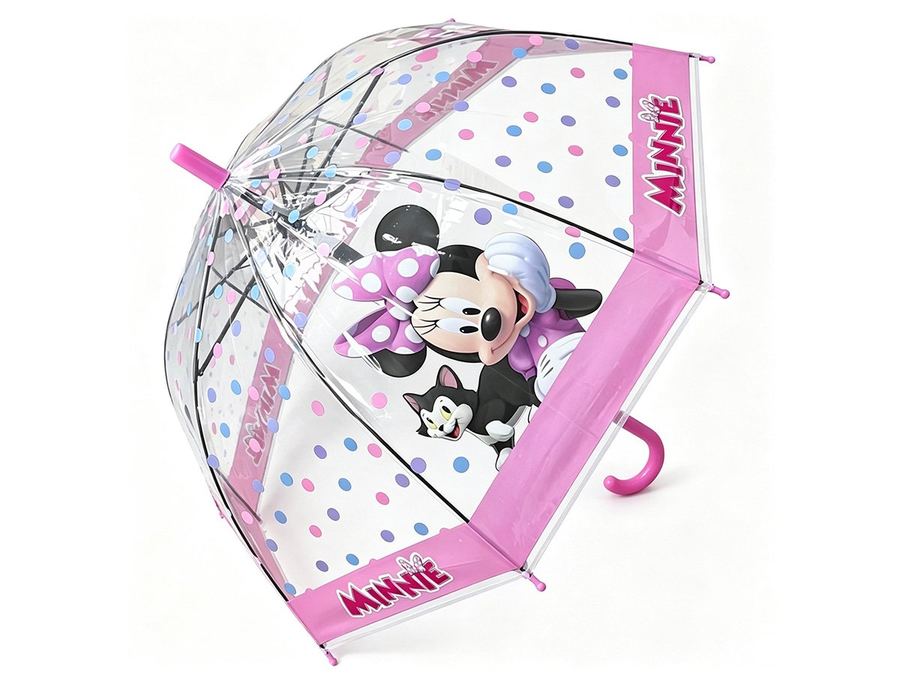
Transparent dome umbrellas are the standard novelty build, using clear PVC or POE panels with printed graphics. Clear material yellows over time, so the grade and any UV stabiliser are confirmed at specification stage rather than assumed, and print adhesion on clear film is proofed on the actual material before production.
Printing and Custom Branding
Silk screen printing charges per colour per panel position, which is why a one-colour logo on one panel is the cheapest decoration route and a full-canopy photographic print is the most expensive. Heat transfer and digital printing handle full colour in one pass with a different cost structure and different durability, and they are quoted side by side when a design could go either way.
Colour on a canopy is not colour on paper. The fabric absorbs ink and stretches over the frame, so a proof on paper only establishes intent; a printed canopy sample establishes reality. Where a corporate colour is defined by the buyer, a printed sample is approved before the production run, and the approved sample is retained.
Quality Control and Field Failures
Umbrella complaints cluster in four places: ribs breaking or bending, canopy stitching pulling, the runner jamming, and the print cracking at fold lines. Each is addressed before production rather than after. Open-and-close cycle testing checks the runner and the spring, rib attachment is tested by loading the canopy, and print is tested after folding rather than on a flat sheet.
Metal parts are checked for plating quality, with salt-spray testing used where the destination market or the buyer requires it. Pre-shipment inspection includes a rain or water-resistance check, a printed-logo check against the approved sample, and a quantity and packing check on the buyer's AQL.
Umbrella Minimums, Packing and Container Load
MOQ in this category is driven by fabric dyeing and printing setup rather than by assembly, and promotional programmes frequently start at 10,000 pieces for a single print layout. Where a range shares one frame and one fabric in several colours, the minimum is usually carried once and the colour changes are treated as panel changes.
Umbrellas are packed in dozens, and carton dimensions follow the folded or full length of the model, which means a long golf umbrella and a folding umbrella are not interchangeable in container planning. Units per carton, carton dimensions and gross weight are confirmed before production, and packing is planned by SKU so a mixed order loads cleanly.
Umbrella Sourcing Questions
What is a typical MOQ for a promotional umbrella?
Promotional programmes frequently start at 10,000 pieces for a single print layout, because fabric dyeing and printing setup dominate the cost. Where a range shares one frame, fabric and colour, the minimum is usually carried once.
How many colours can be printed on an umbrella canopy?
There is no fixed limit, but silk screen printing charges per colour per panel position, so a one-colour logo on one panel is the cheapest route. Heat transfer and digital printing handle full colour in a single pass and are quoted alongside for comparison.
Are children's umbrellas tested as toys?
It depends on how the product is marketed. Umbrellas positioned as rainwear follow general product requirements, while those marketed as toys fall under toy safety rules. Design review for rounded tips and pinch-free mechanisms applies in both cases.
How is wind resistance verified?
By frame specification and by testing rather than by a claim. Rib material, rib count and canopy attachment are fixed at sample stage, and open-and-close cycle testing plus rib loading checks are part of the inspection routine.