Shoes Sourcing Service
MASA provides shoes and footwear sourcing from China for seasonal collections, lifestyle brands and children-oriented retail programs. Our range includes slippers, sandals, canvas shoes, sport shoes, rain boots and winter boots, developed with factories in Fujian, Zhejiang and Guangdong footwear clusters.
We support last and sole development, material sourcing, size grading, sample confirmation and social compliance audits, coordinating every step from design brief to container loading. Whether you need a promotional slipper program or a full private label footwear line, our team keeps quality, cost and delivery under control.
Slippers and Indoor Footwear
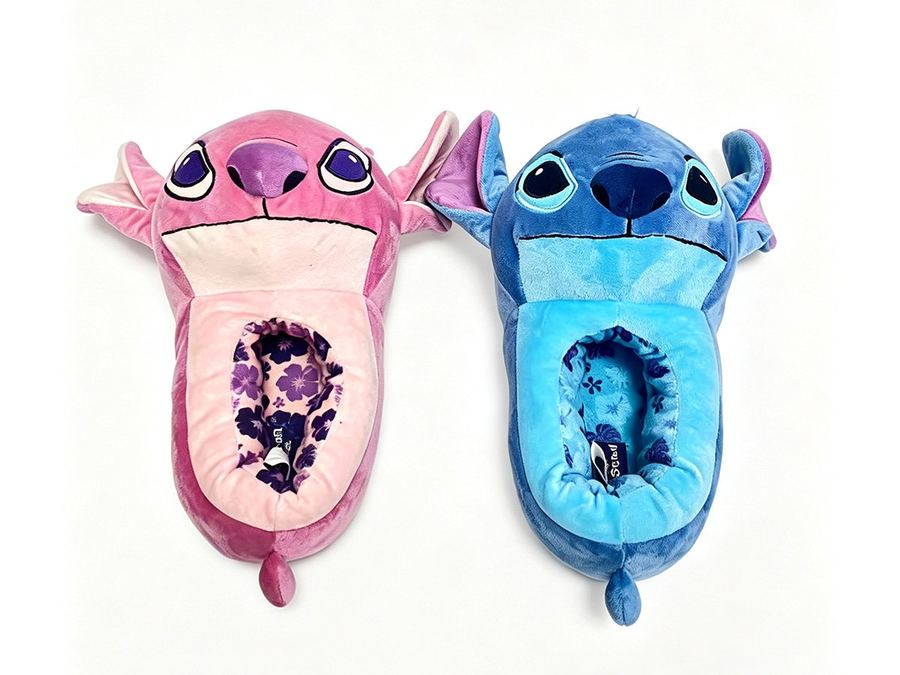
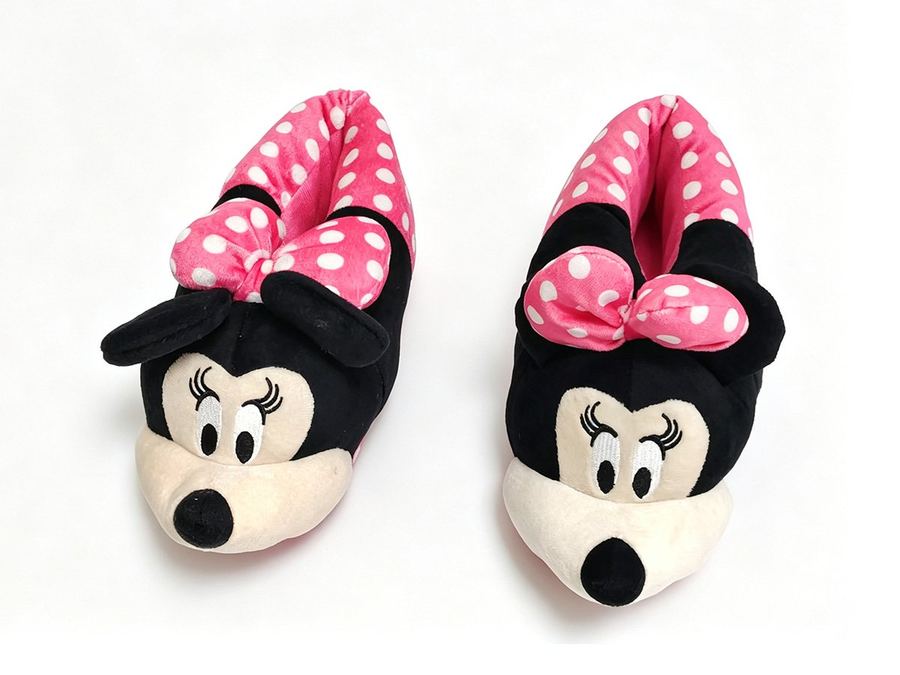
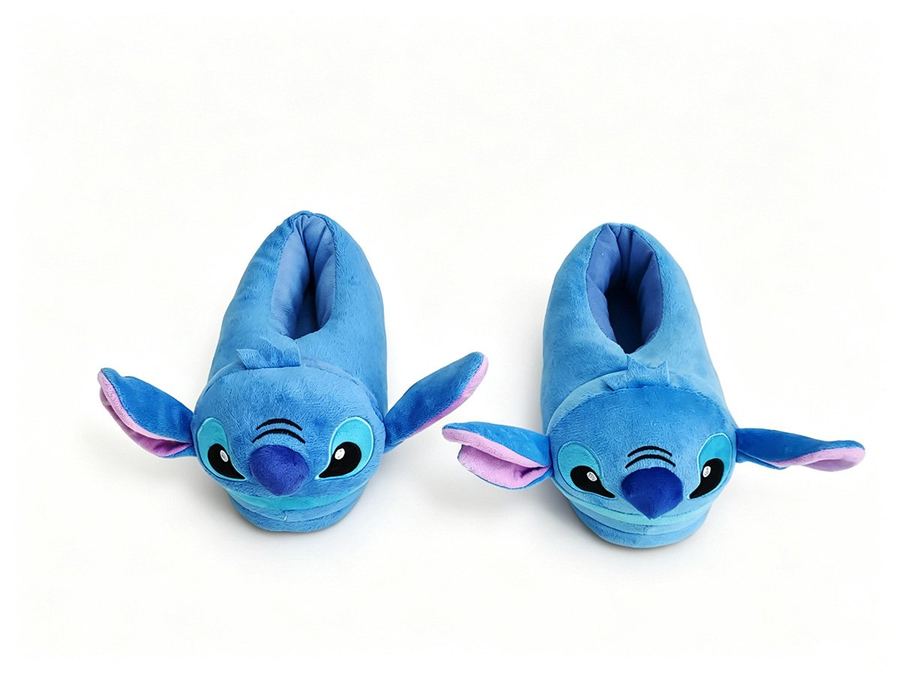
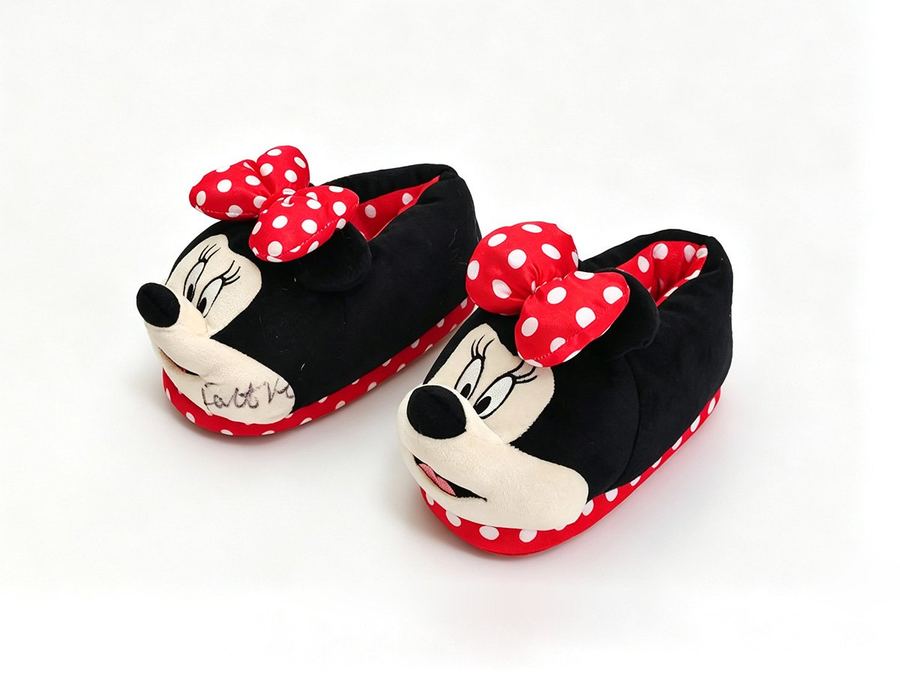
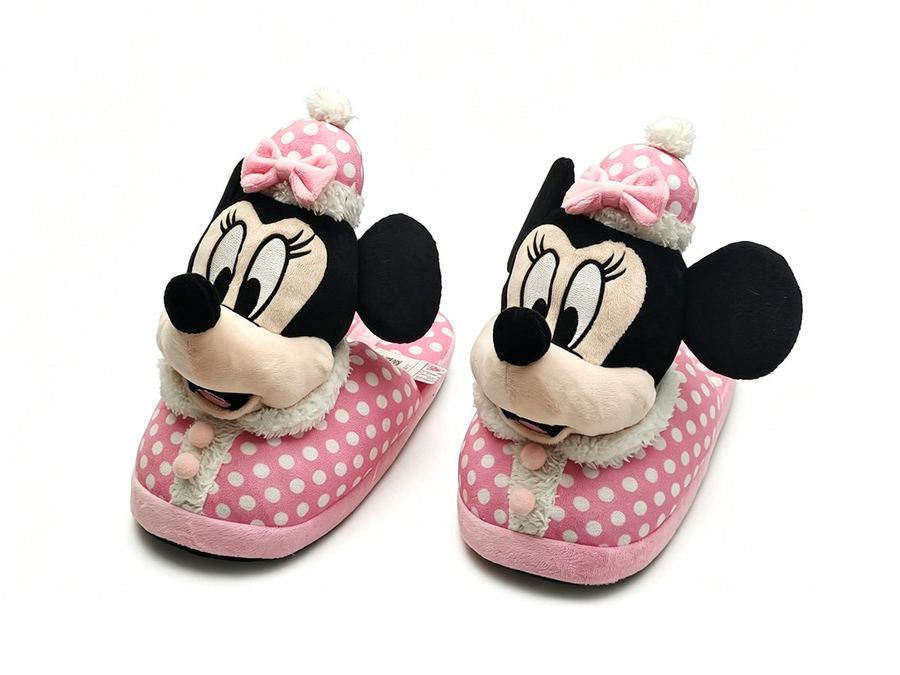
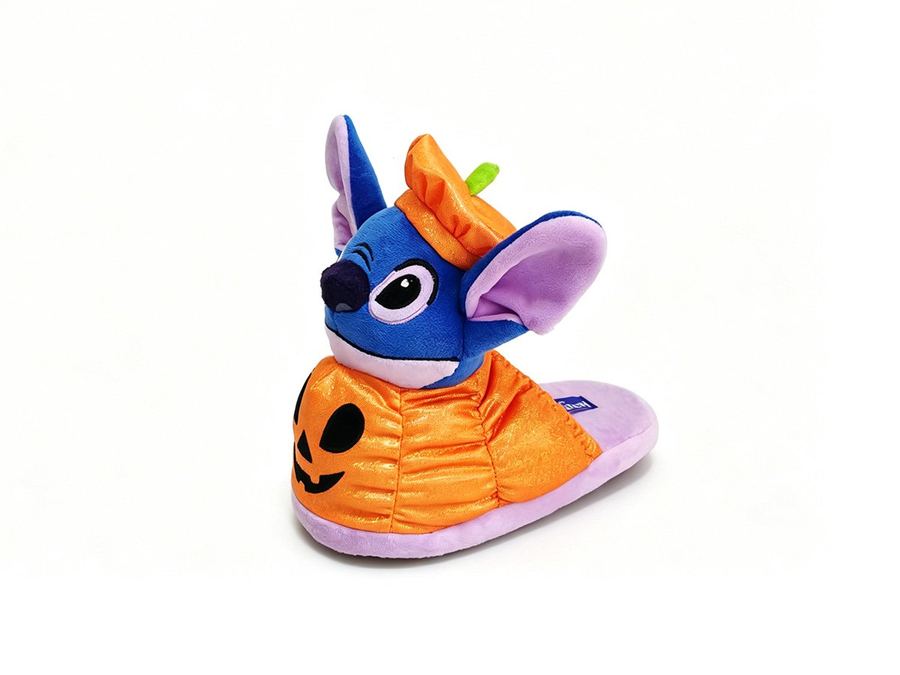
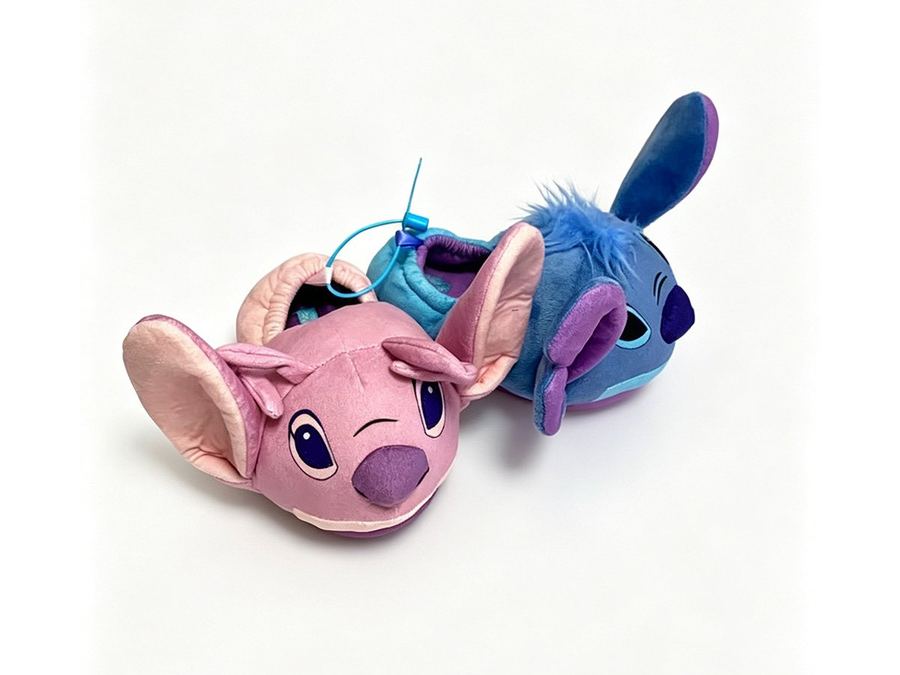
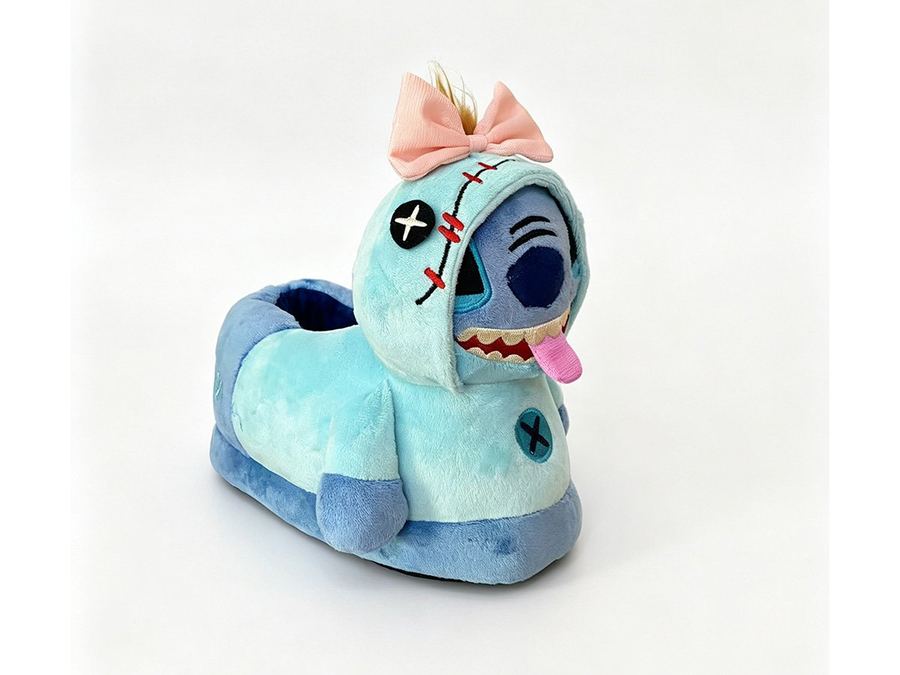
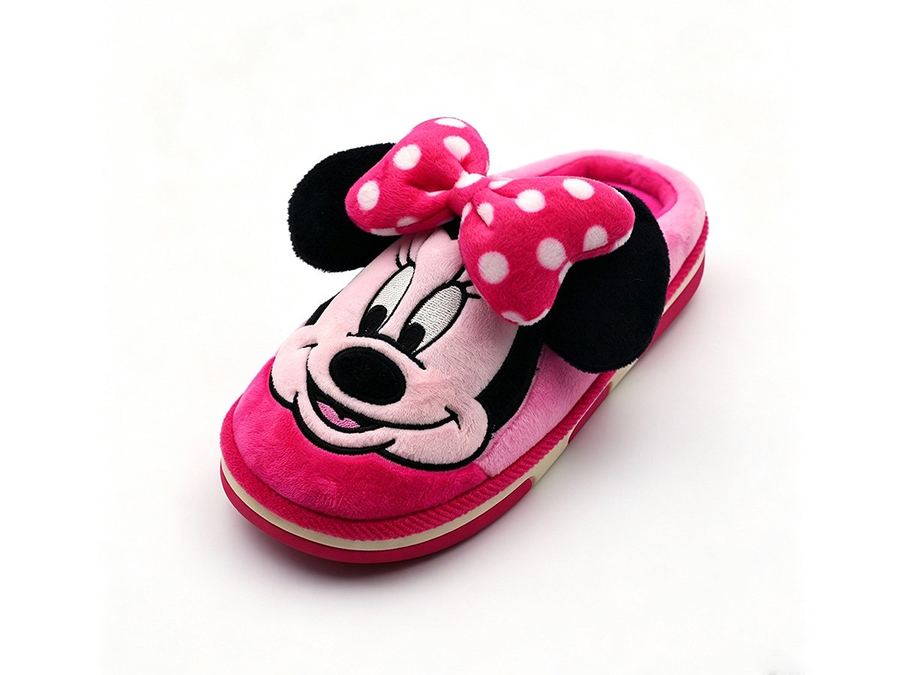
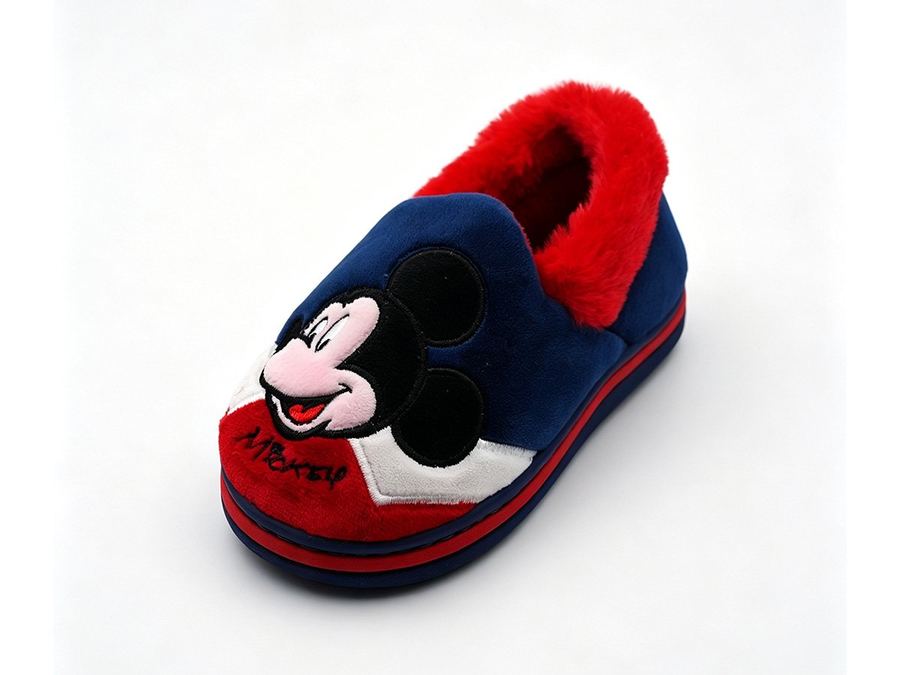
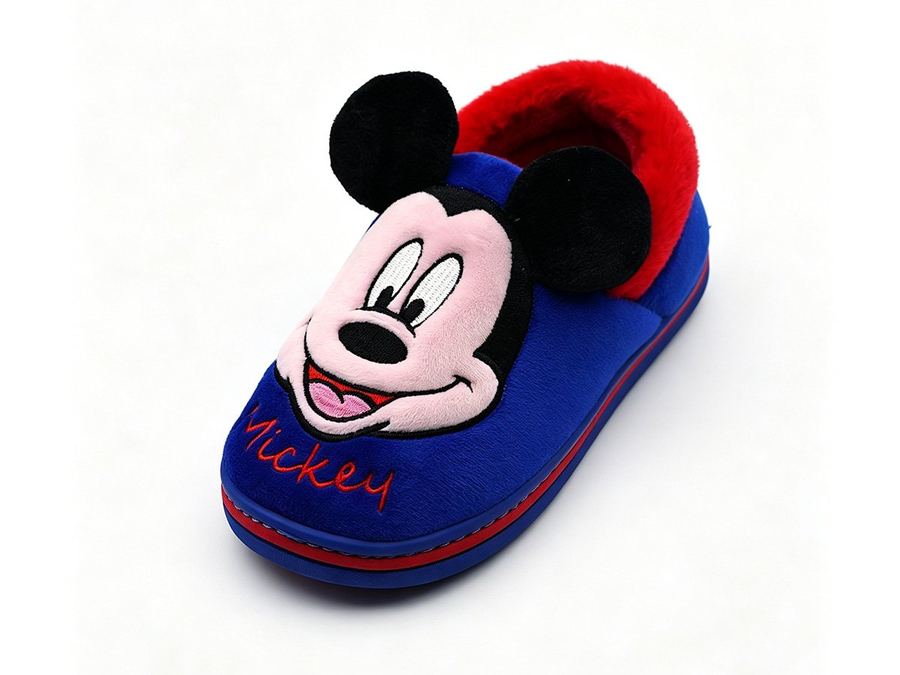
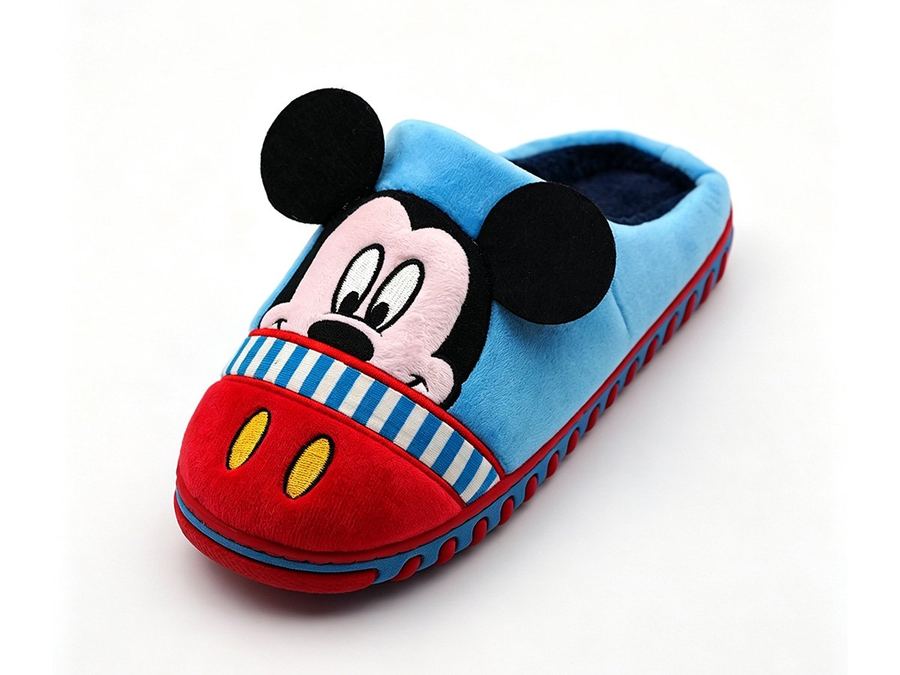
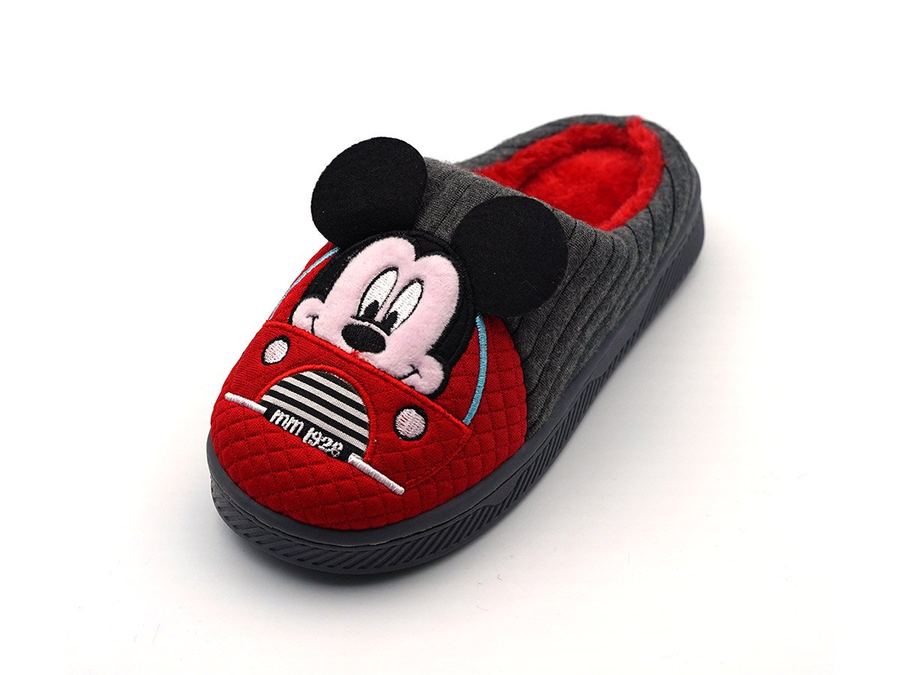
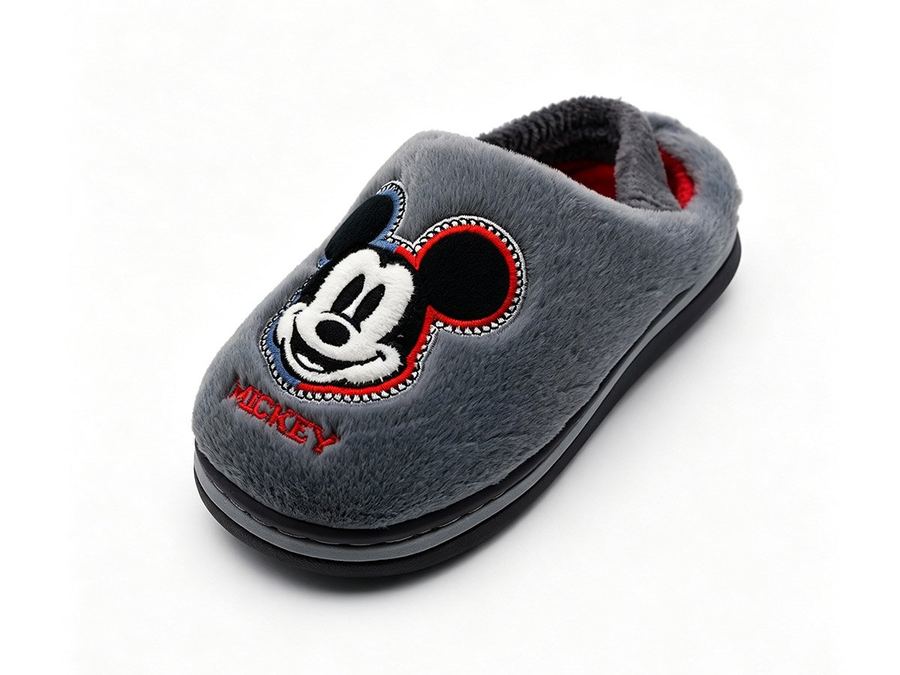
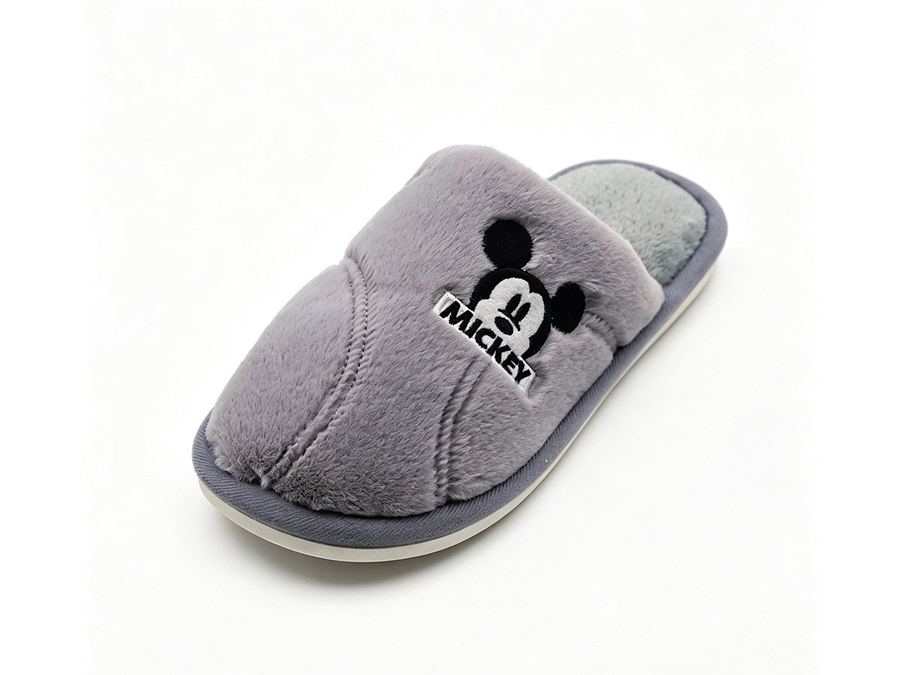
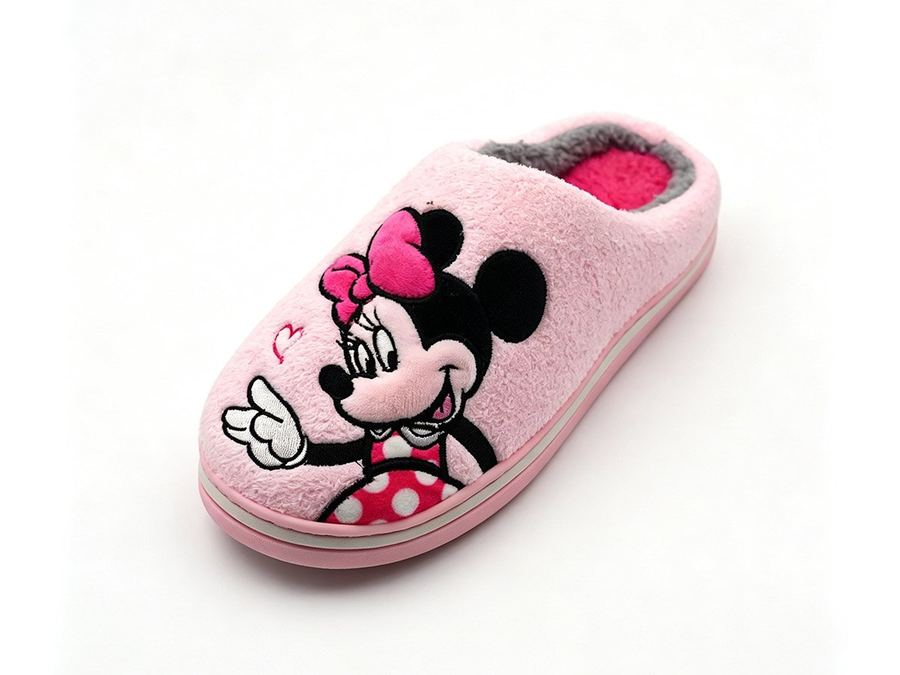
Slippers are the entry point for most footwear programmes because they are mould-led and forgiving on fit. Uppers are quoted in plush, fleece, cotton canvas or knitted fabric, and soles in EVA, PVC or TPR, with the bonding method deciding how the sole behaves after a season of indoor wear. A stitched or stitched-and-cemented sole costs more and lasts longer than a glued sole.
Sizing is quoted against a size system, not a number: EU, UK and US charts differ, and children's footwear adds its own grading. The buyer's size chart is confirmed at sample stage and used for grade marking, which is the step that prevents a container arriving with a size run nobody asked for.
Casual, Canvas and Fashion Footwear
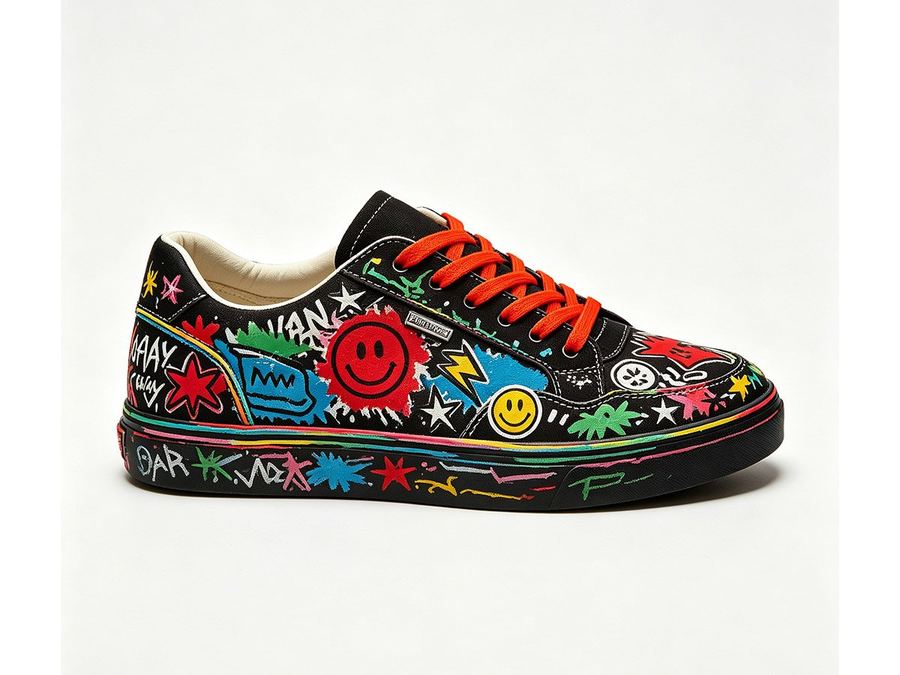
Casual footwear construction is either vulcanised or cemented. Vulcanised canvas shoes take longer to develop and suit high-volume classic styles; cemented construction is more flexible for seasonal fashion and lower minimums. Outsole tooling is usually the largest single setup cost in a footwear programme.
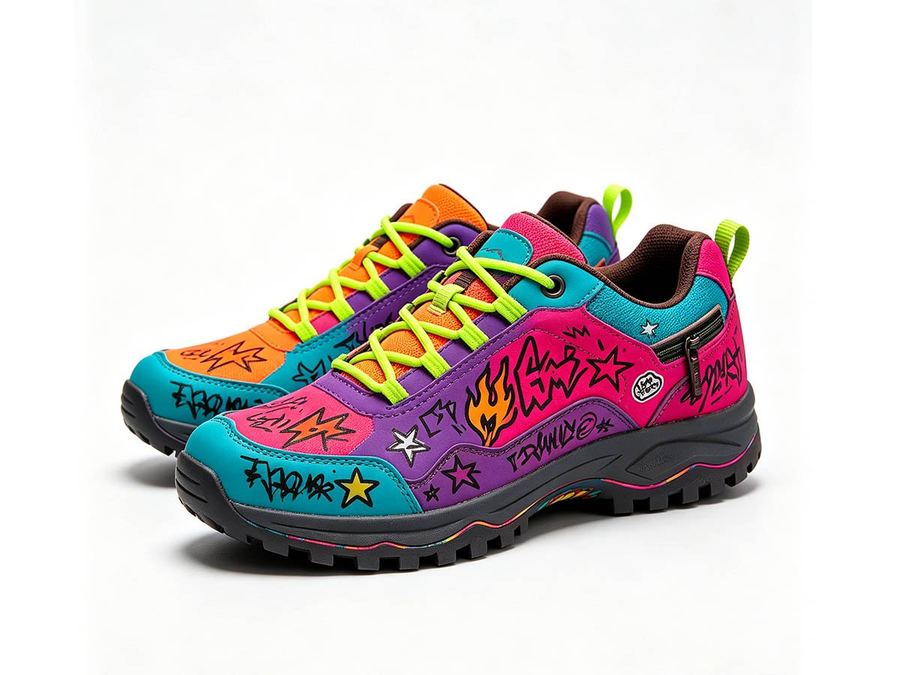
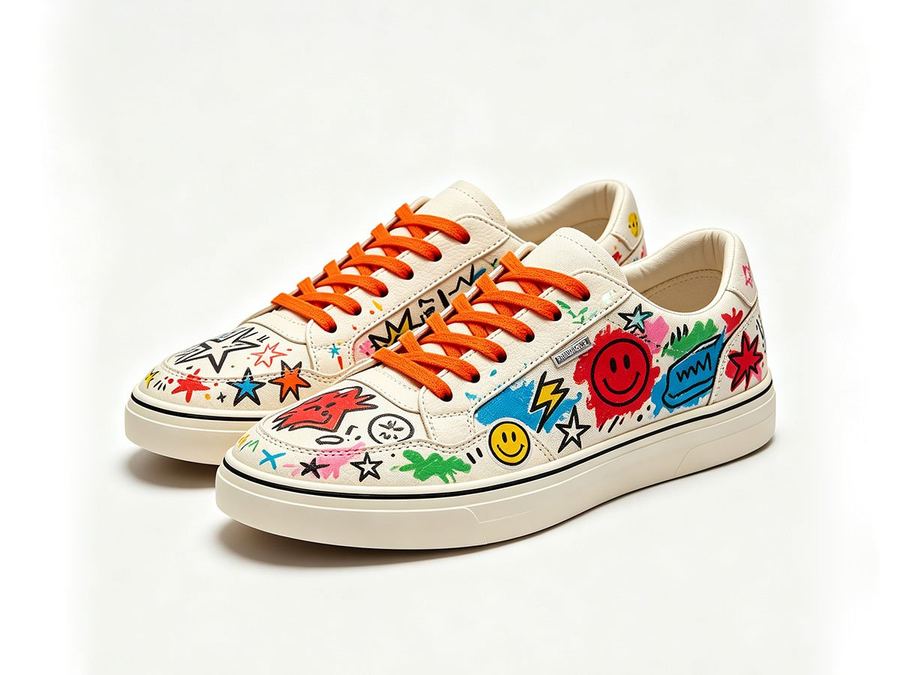
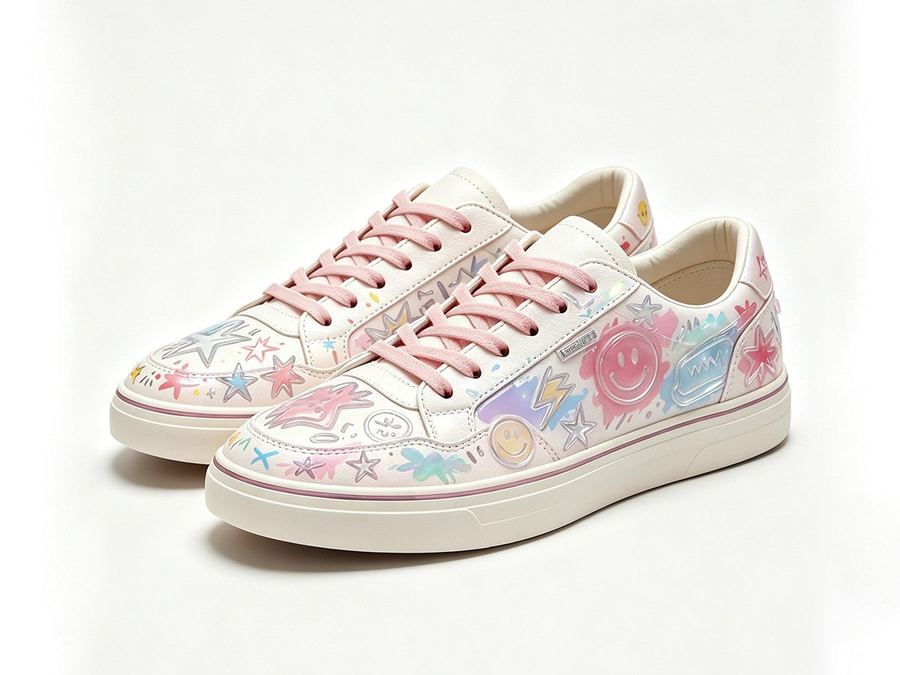
Fabric choice drives both look and compliance: cotton canvas for print and embroidery, denim and twill for texture, and synthetic uppers where the price point is tight. Print, embroidery and appliqué are all quoted as decoration steps, and artwork is proofed on the actual upper material because colour on canvas never matches colour on paper.
Children's Footwear and Rain Boots
Children's footwear carries more requirements than adult footwear. Chemical limits on phthalates and heavy metals apply, and where the shoe is marketed for very young children additional safety considerations apply to small parts and decorative elements that could detach. These are confirmed against the destination market before tooling.
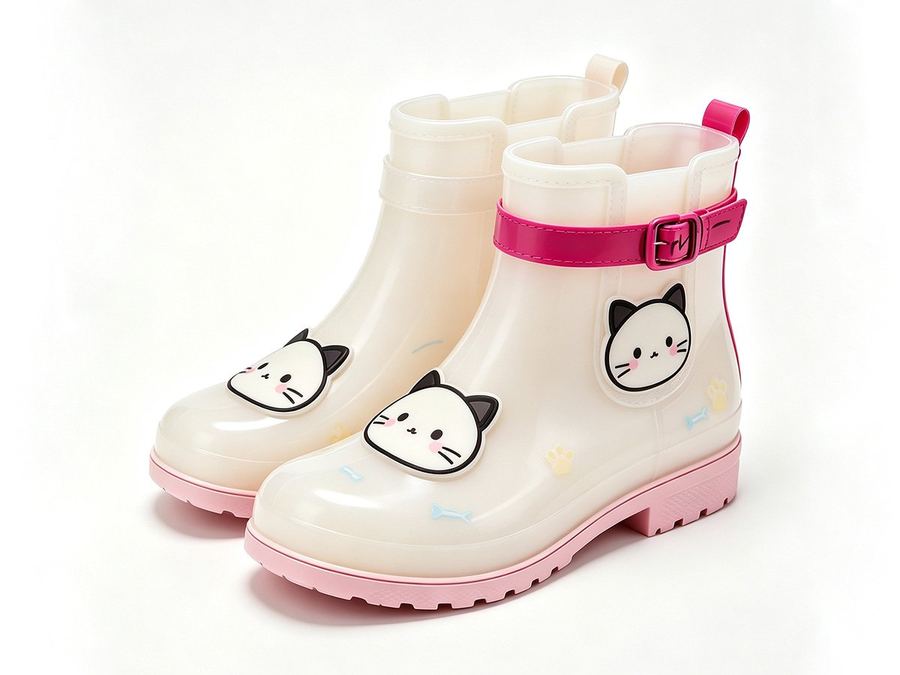
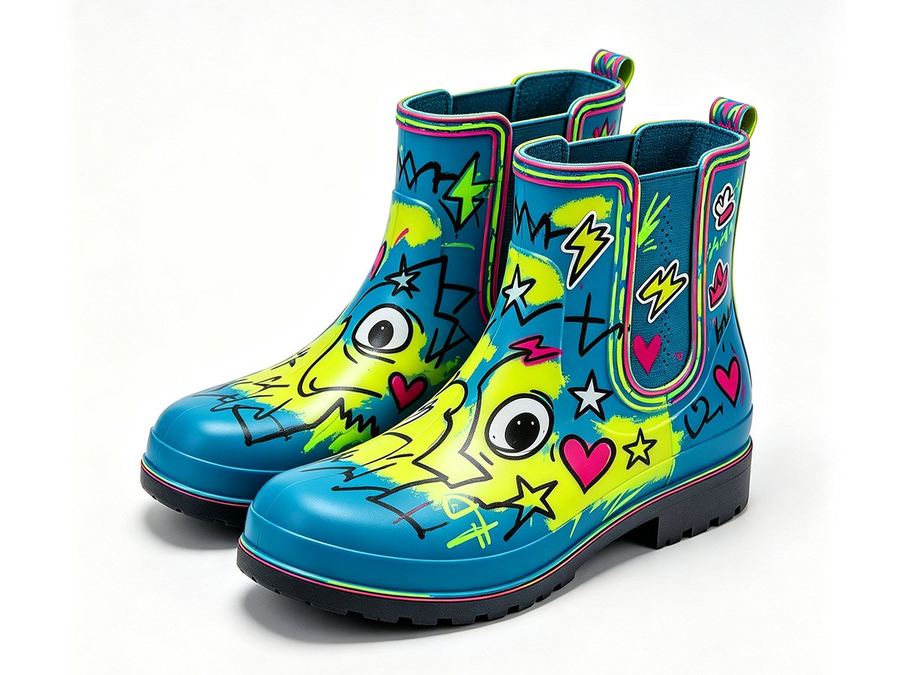
Rain boots are quoted in PVC or natural rubber. PVC is cheaper and widely used, but phthalate restrictions in several markets push buyers toward phthalate-free formulations or natural rubber. Sole tread, shaft height and pull-on loops are confirmed on a physical sample, since children's rain boots are judged on how easily they can be put on without help.
Lasts, Soles and Material Development
A footwear programme is built around a last. Where the buyer has an existing last or an existing shoe to copy, measurements are taken from it and a fitting sample is produced before any tooling is cut. Where the programme starts from a design brief, a last is developed and the fit approved on a sample foot before decoration is discussed.
Outsole and midsole tooling is quoted as an investment with its own lead time and its own minimum volume. This is the point where buyers most often underestimate cost, so tooling, sample development and mass production are quoted as distinct lines rather than blended into one unit price.
Testing and Labelling
Footwear testing covers construction strength, sole adhesion, slip resistance and colour fastness, plus chemical screening of uppers, linings and insoles. The exact list depends on the destination market and on the retailer's own specification, which is why the buyer's requirement document is collected before the first sample.
Labelling is part of compliance, not decoration. Fibre content, country of origin, size marking and care instructions must be correct for the market, and in some markets additional registration or marking applies to specific materials. Labels are proofed with the same care as the product artwork.
Footwear Minimums, Packing and Container Load
Footwear MOQs are set by the number of moulds and lasts involved, so a programme in three styles and three colours can carry nine minimums unless the styles share tooling. This is worth confirming before the range is finalised, because merging two similar styles onto one sole can change the minimum substantially.
Packing is usually individual box, inner carton and master carton, and both shoe-box barcode placement and carton marks are confirmed before production. For e-commerce channels, packing is quoted without the shoe box so the buyer can compare landed cost for a parcel channel rather than a pallet channel.
Shoes Sourcing Questions
Can you develop footwear from an existing shoe?
Yes. Measurements are taken from the reference shoe and a fitting sample is produced before tooling is cut. Where a programme starts from a design brief, a last is developed and fit is approved before decoration is discussed.
What is the largest setup cost in a footwear programme?
Outsole and midsole tooling. It carries its own lead time and minimum volume, and it is quoted as a separate investment rather than blended into the unit price so the buyer can see the real cost structure.
Are children's shoes subject to extra requirements?
Yes. Chemical limits on phthalates and heavy metals apply, and decorative elements that could detach receive additional attention for very young children. The requirement set is confirmed against the destination market before tooling.
Can footwear be packed for e-commerce without shoe boxes?
Yes. Polybag or sleeve packing without individual boxes is quoted alongside boxed packing so the buyer can compare landed cost for a parcel channel. Barcode placement and carton marks are confirmed before production either way.