Cat Trees & Cat Furniture
Pet Beds & Mats
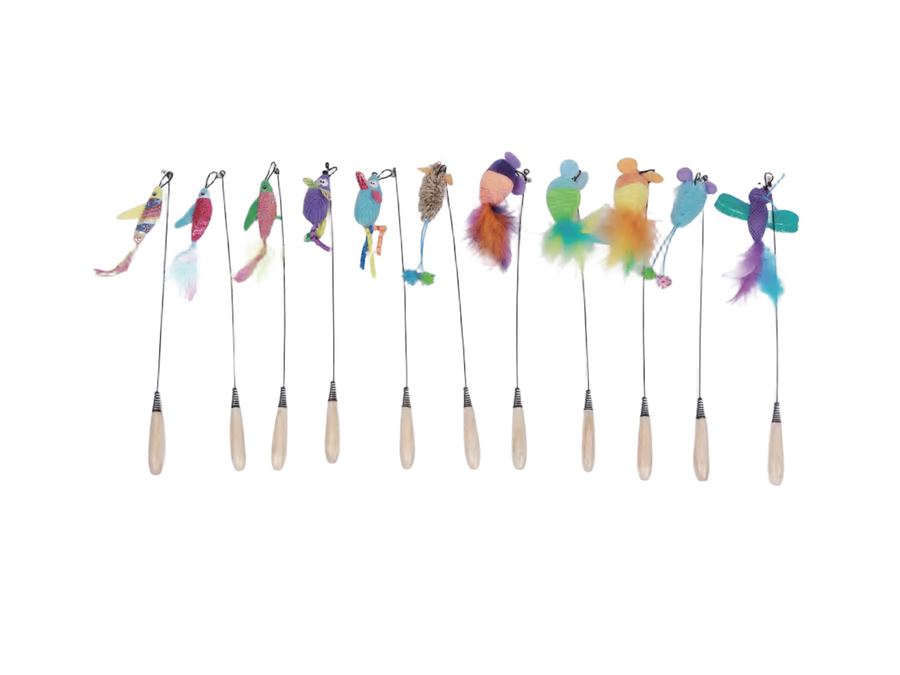
Plush, Squeaky & Cat Toys
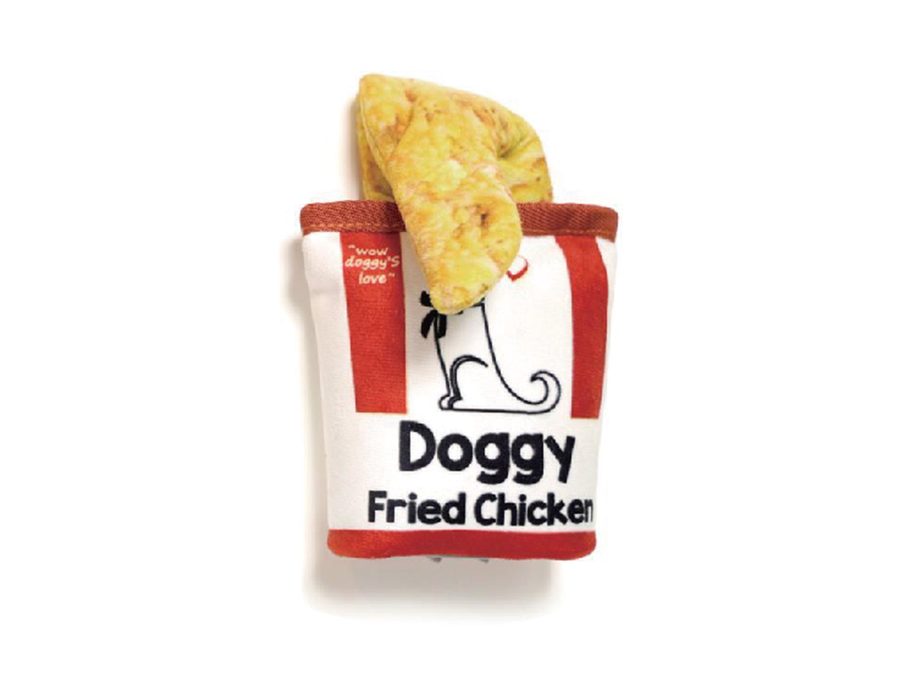
Washable Pet Sanitary Pants
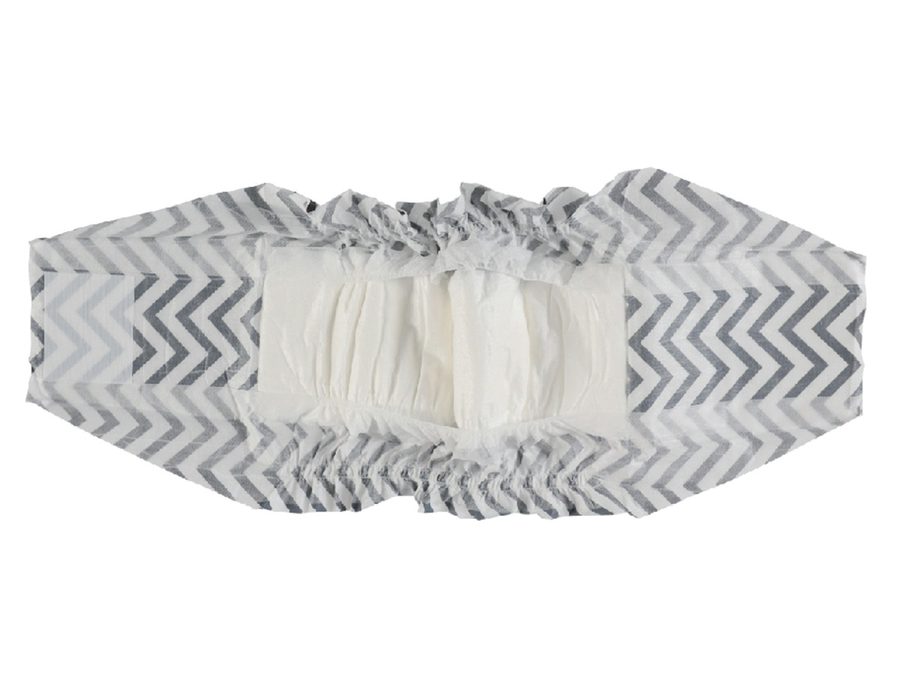
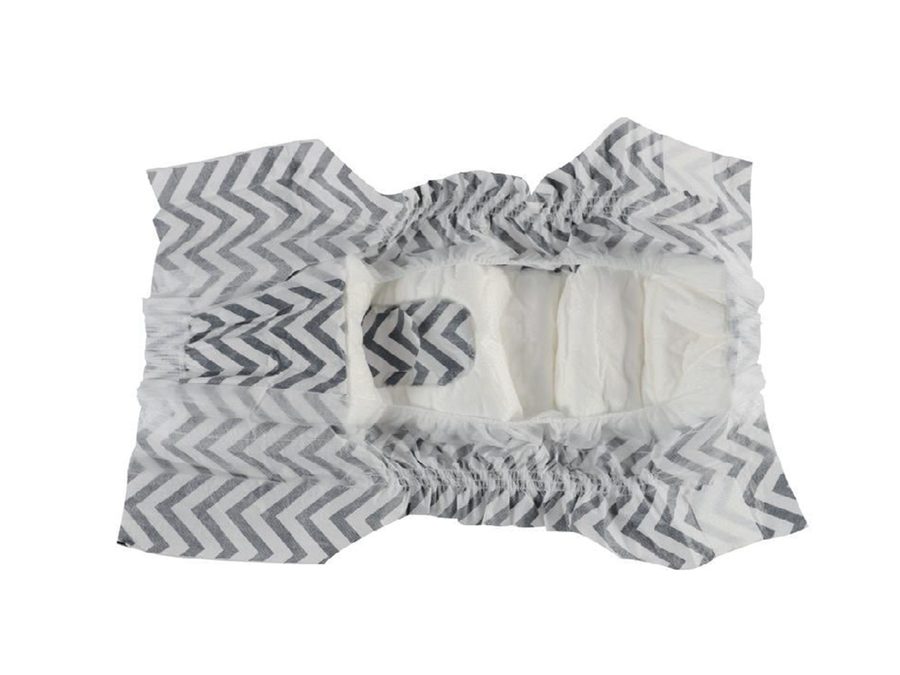
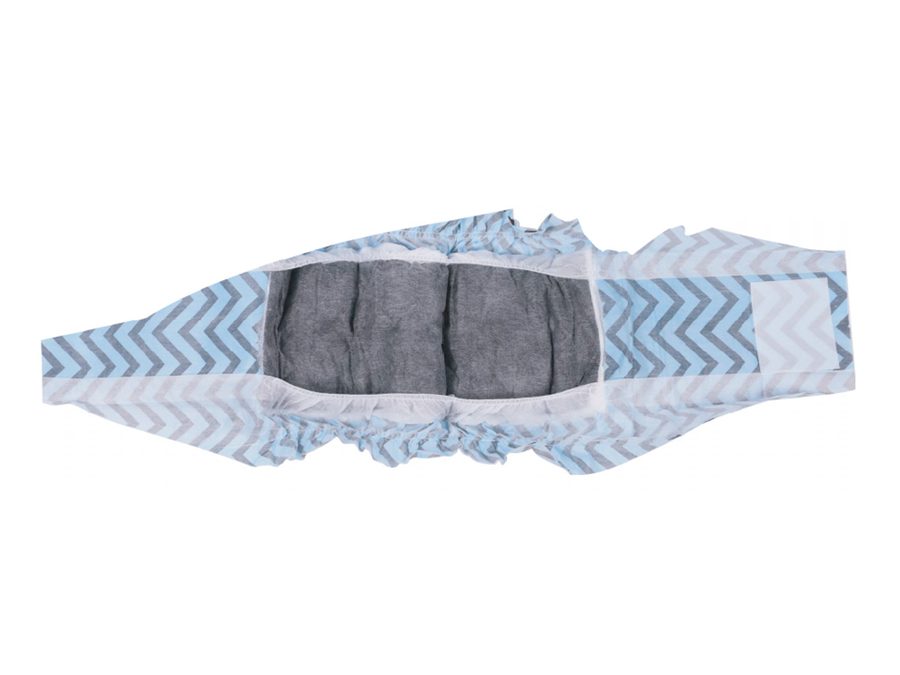
Pet Waste Scoops
Carriers, Crates & Travel
Collars, Leads & Walking Gear
Pet Apparel & Footwear
Pet Sourcing Service
Pet products are one of our fastest-growing sourcing categories. MASA helps pet brands, pet shops and retail chains source cat trees and cat furniture, pet beds and mats, plush and novelty pet toys, washable pet sanitary pants, waste scoops, pet apparel, carrier bags, and collars and harnesses from vetted factories in Zhejiang and Shandong.
We coordinate plush and wooden cat tree development, fabric and filling selection, strength and safety testing, private label branding and retail-ready packaging. Whether you are launching an own-brand pet collection or expanding a seasonal pet toy range, our Shanghai and Yiwu teams manage sampling, pricing, compliance and production follow-up from brief to shipment.
The Eight Product Families in the Pet Range
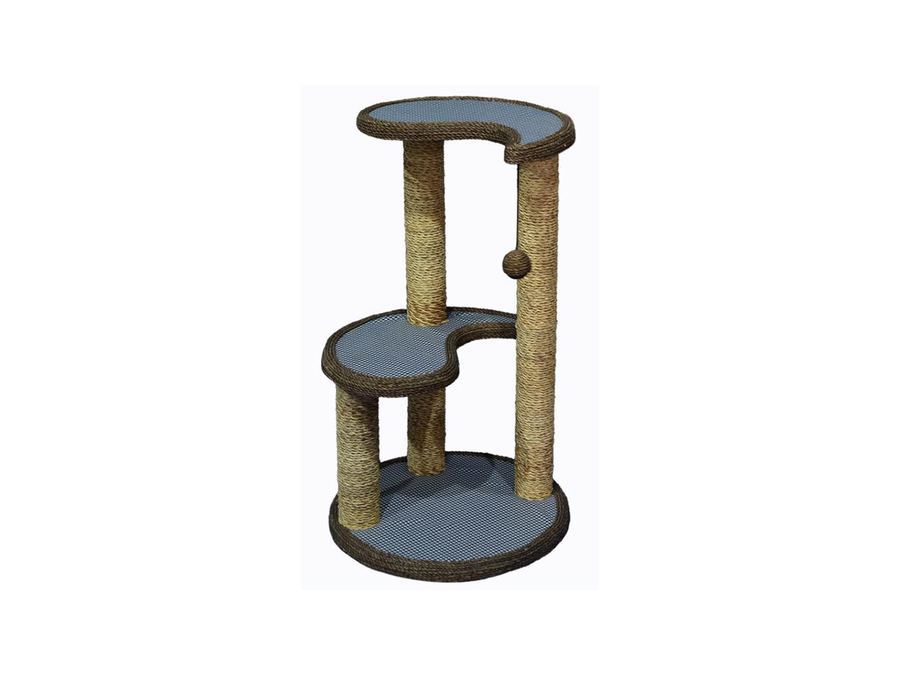
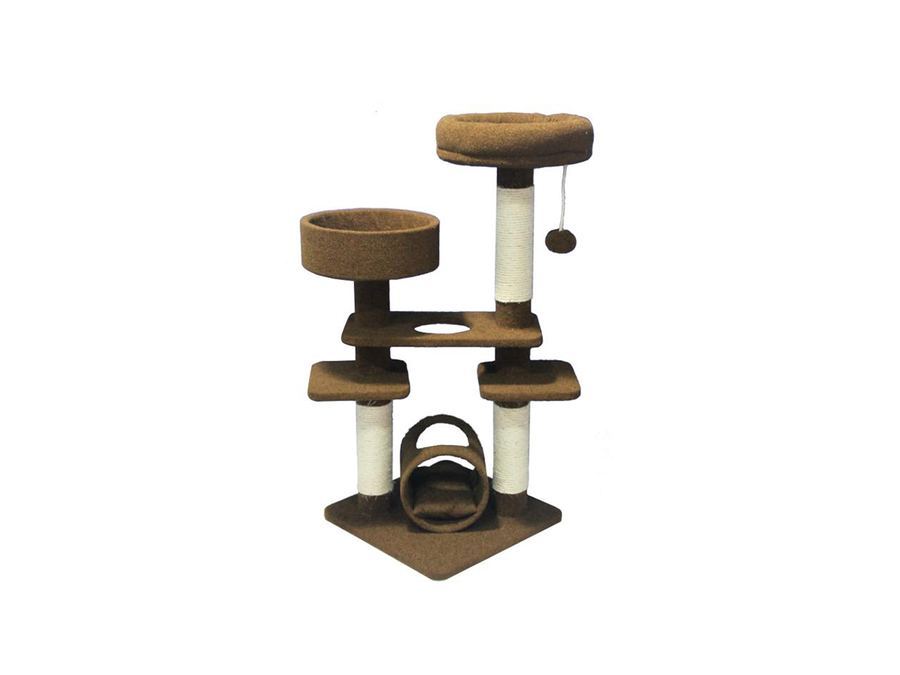
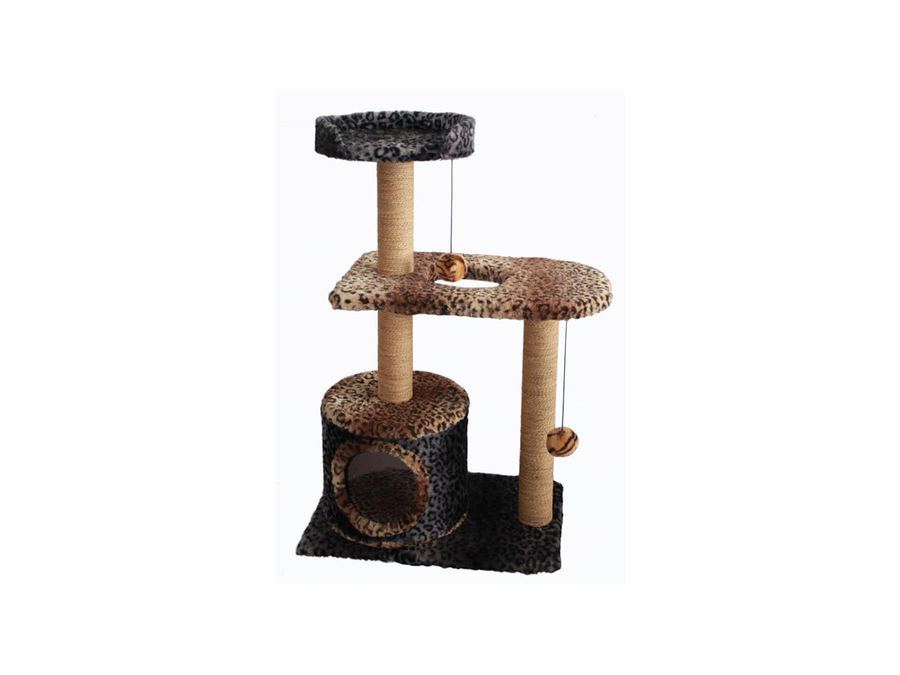
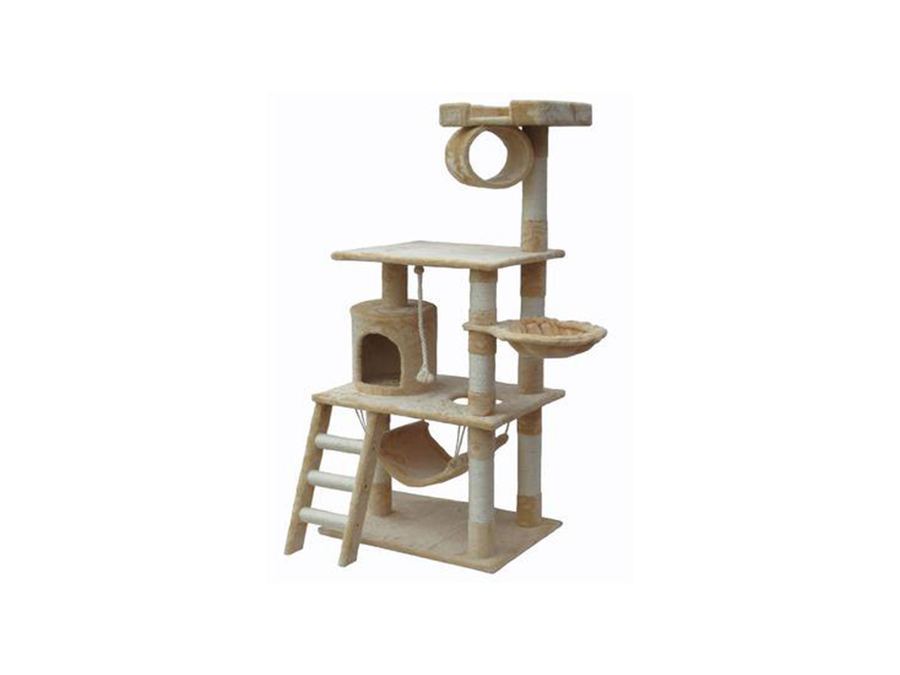
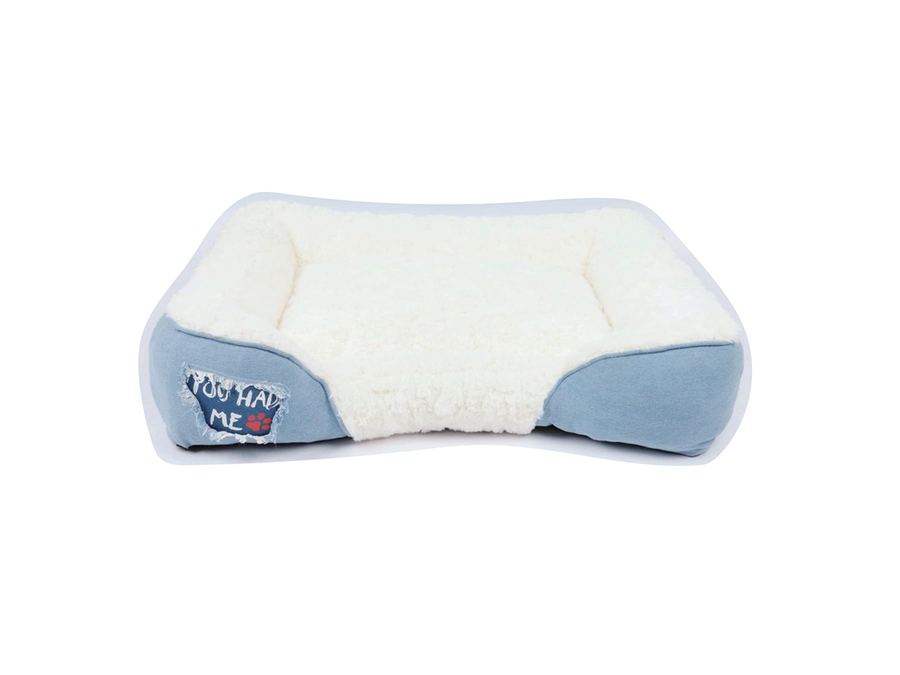
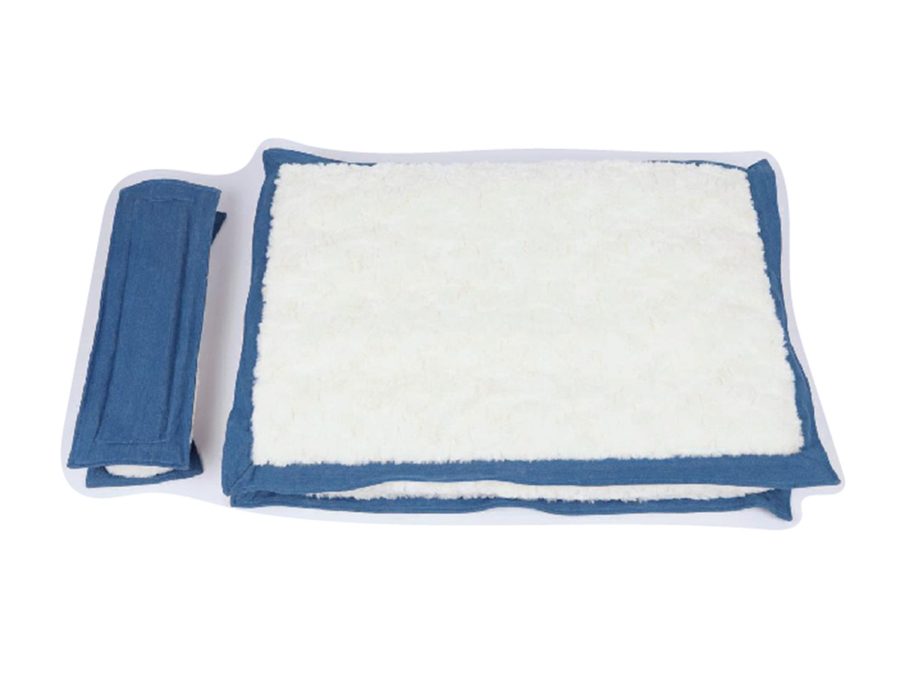
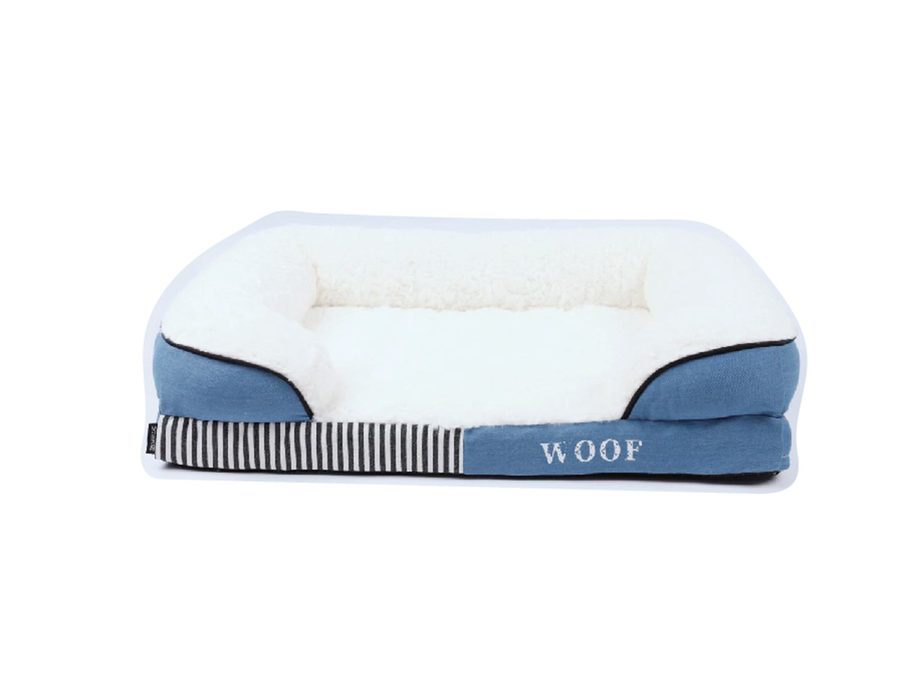
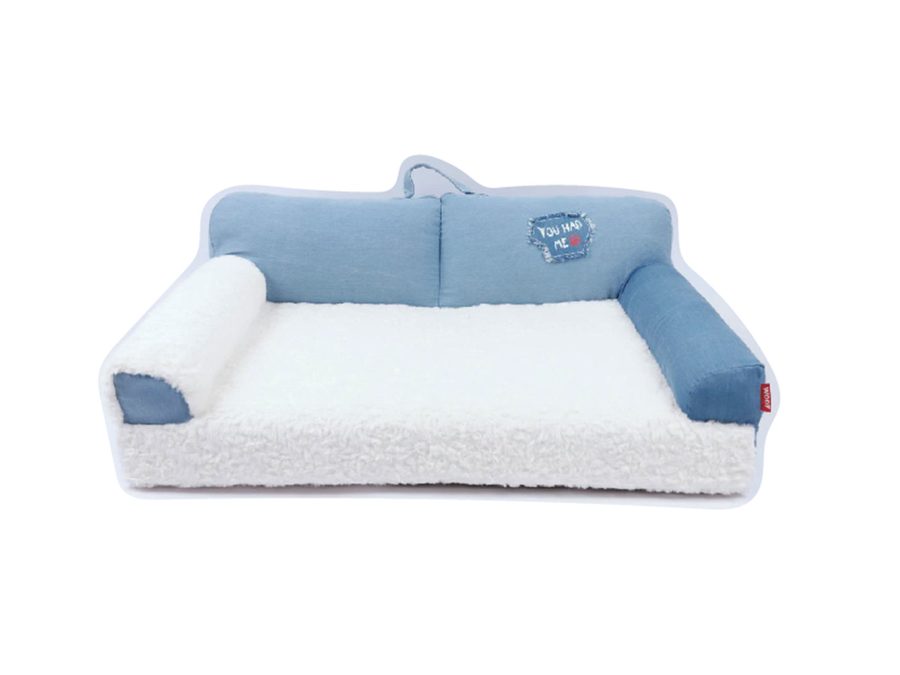
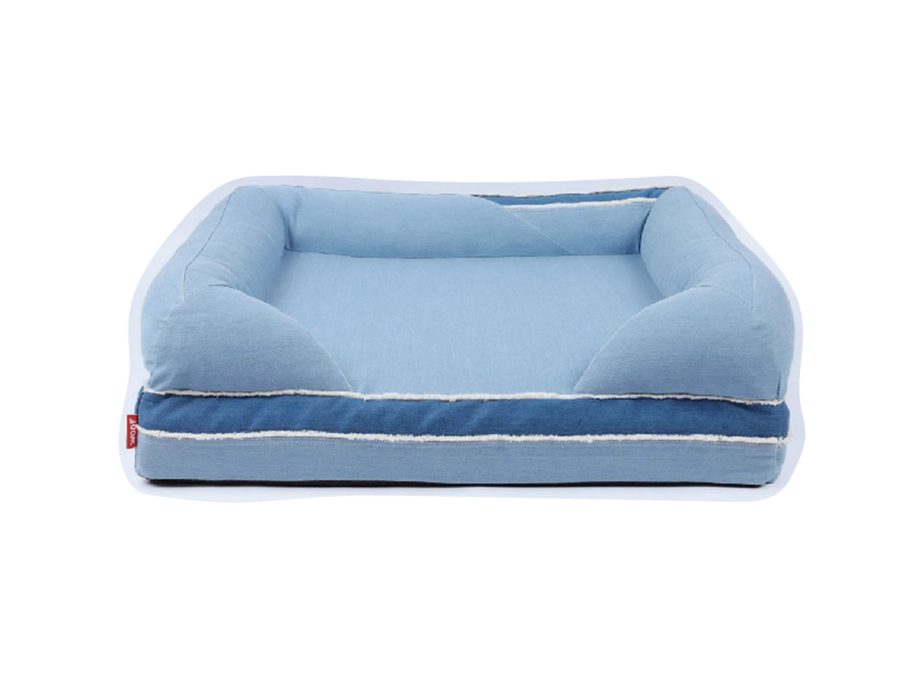
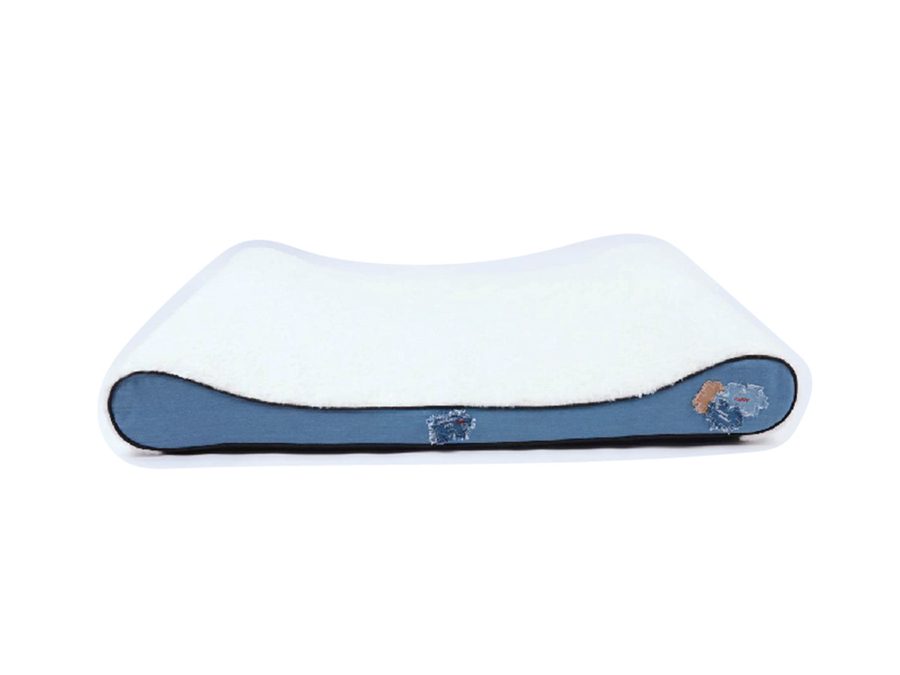
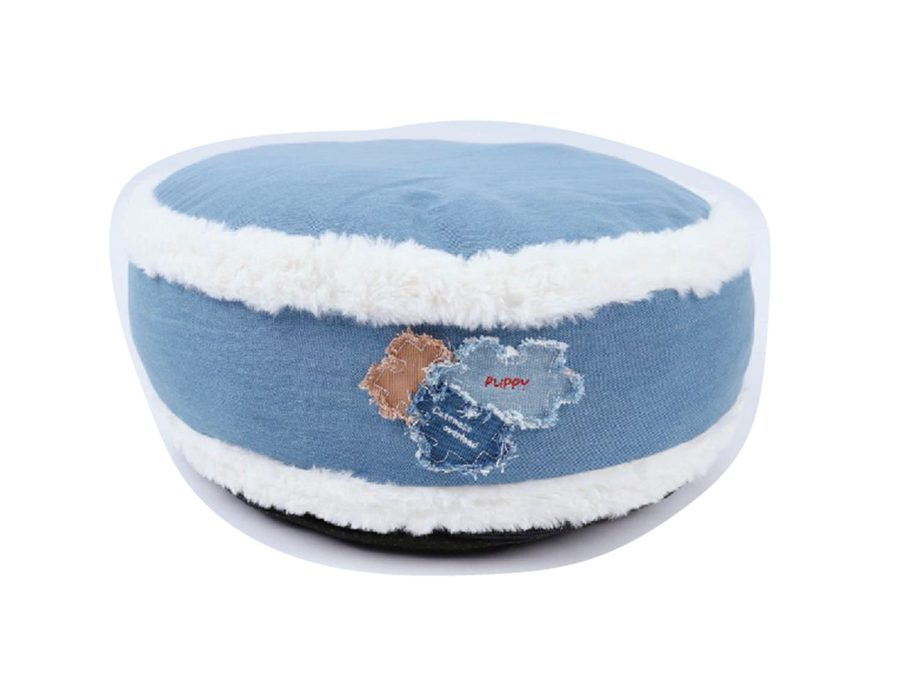
The pet range is organised into eight families so a buyer can see where a programme would start. Cat furniture and cat trees are board-led and carton-heavy, which makes container planning part of the quotation rather than an afterthought. Pet beds and mats sit on fabric and filling instead: the outer is usually a printed oxford or a plush, the filling polyester fibre or a foam core, and the underside a non-slip base layer.
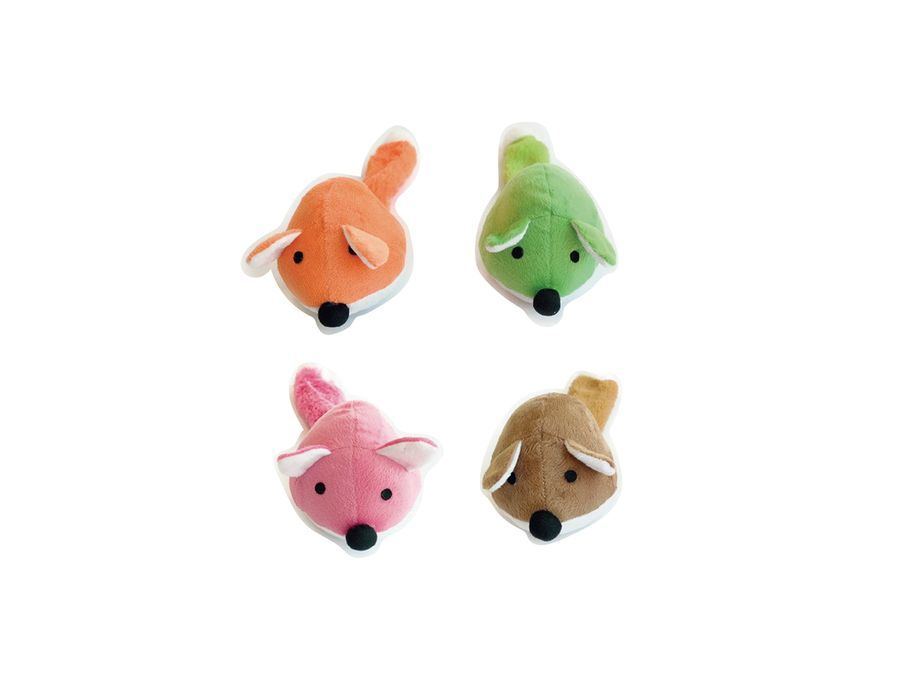
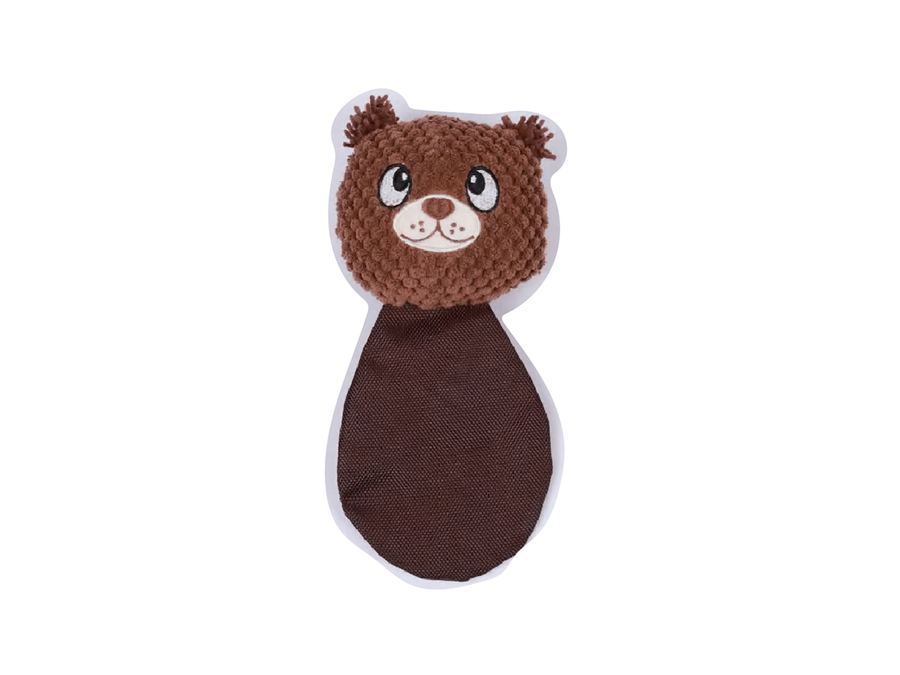
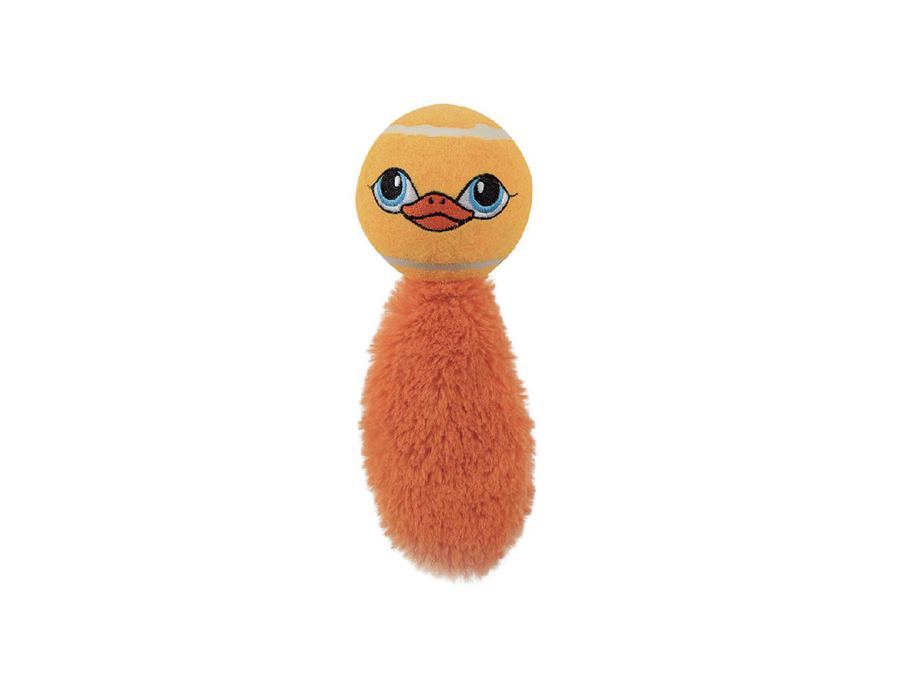
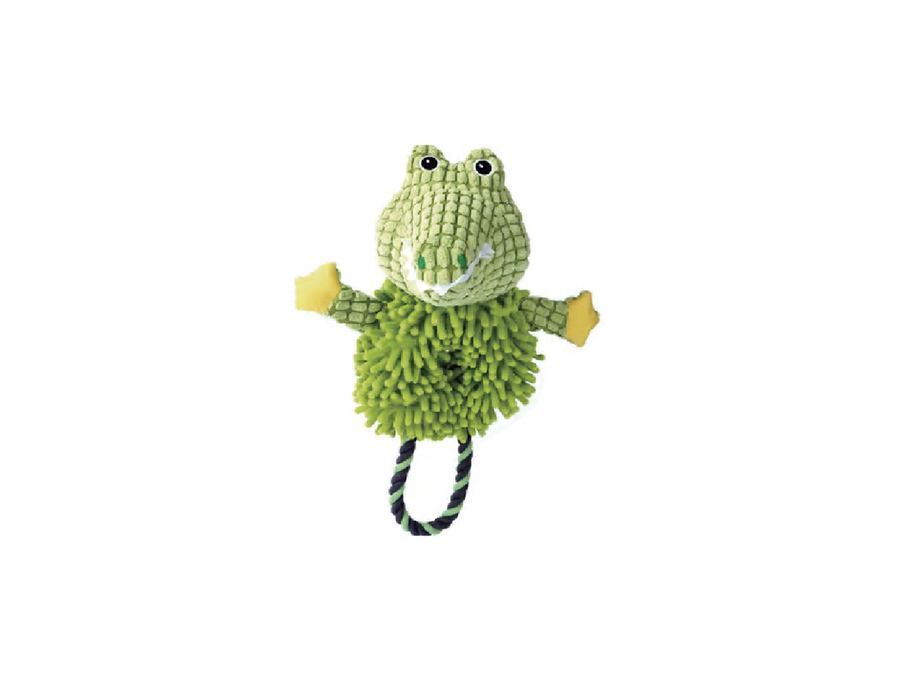
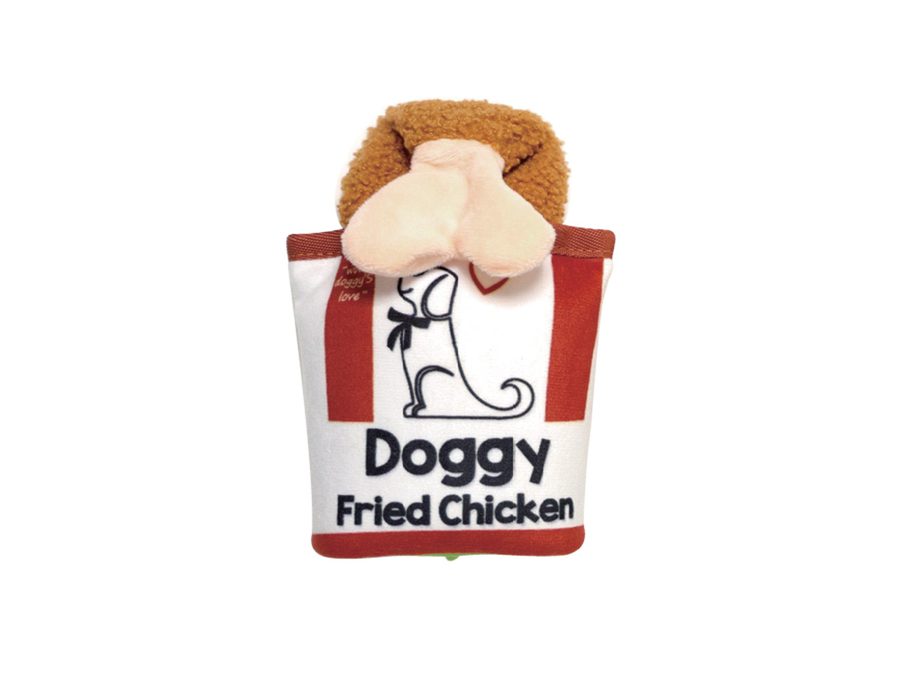
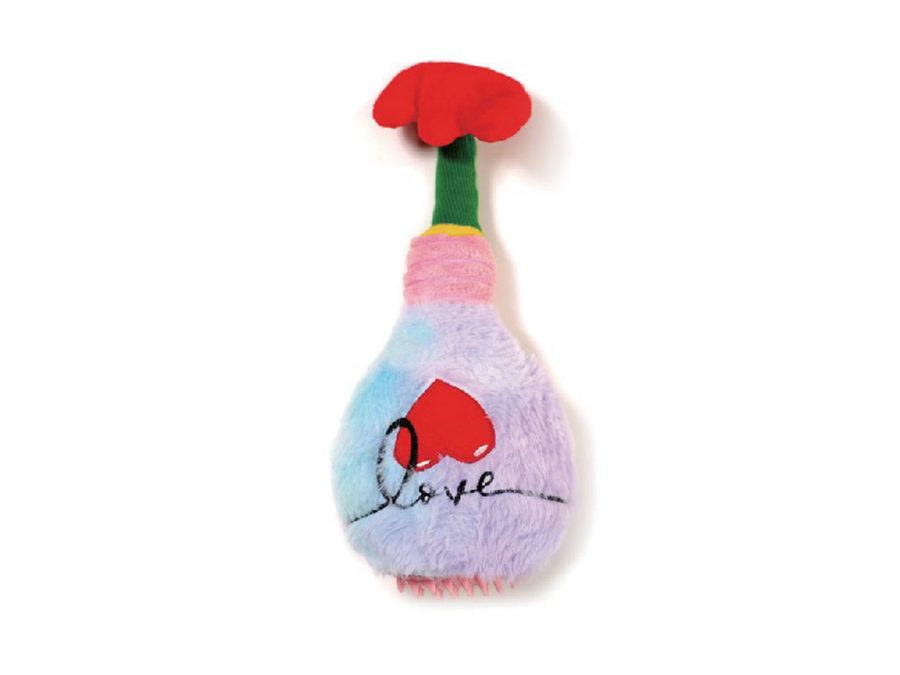
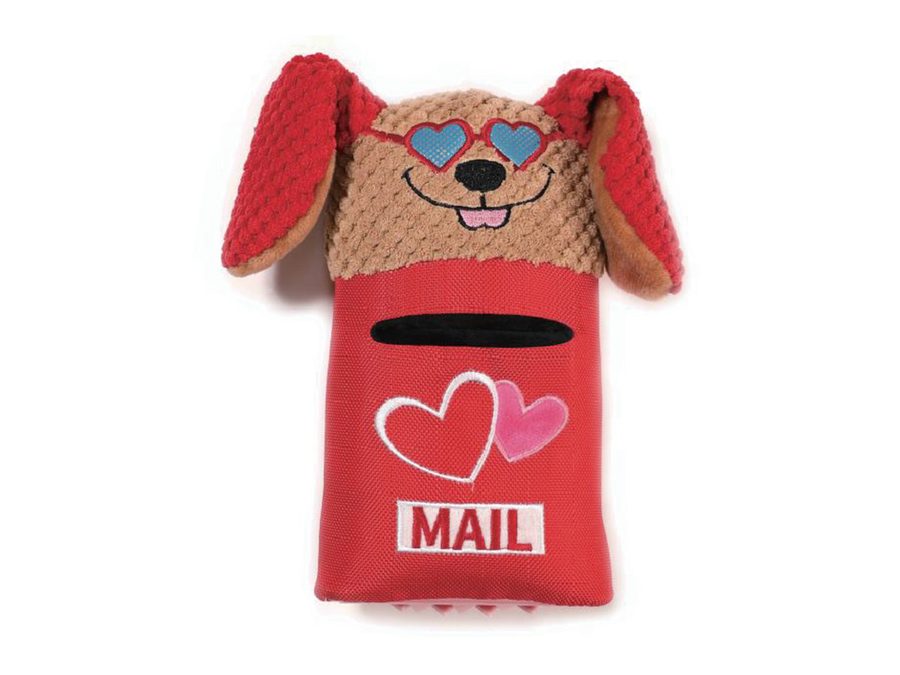
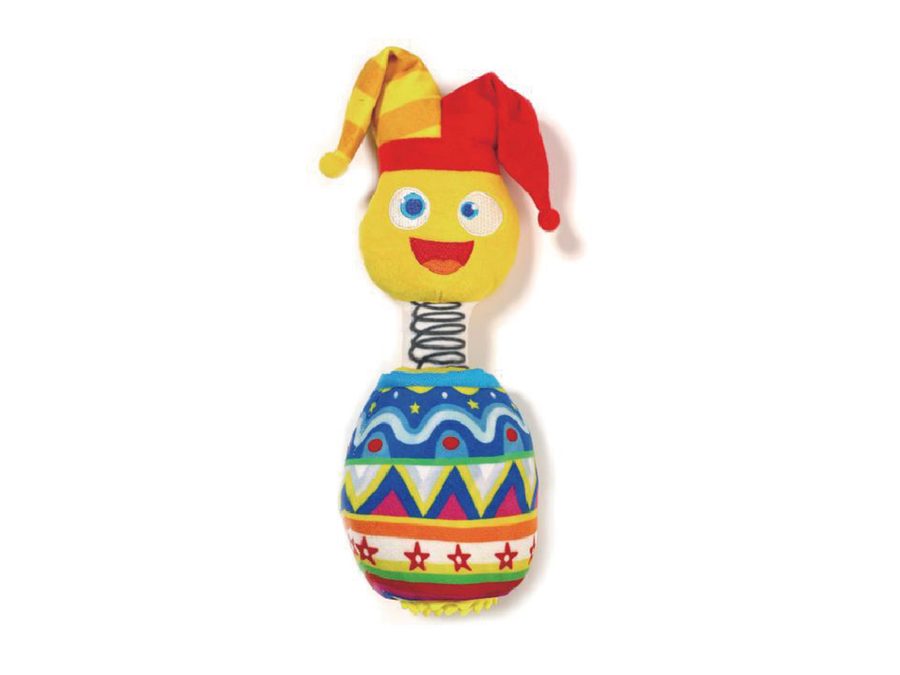
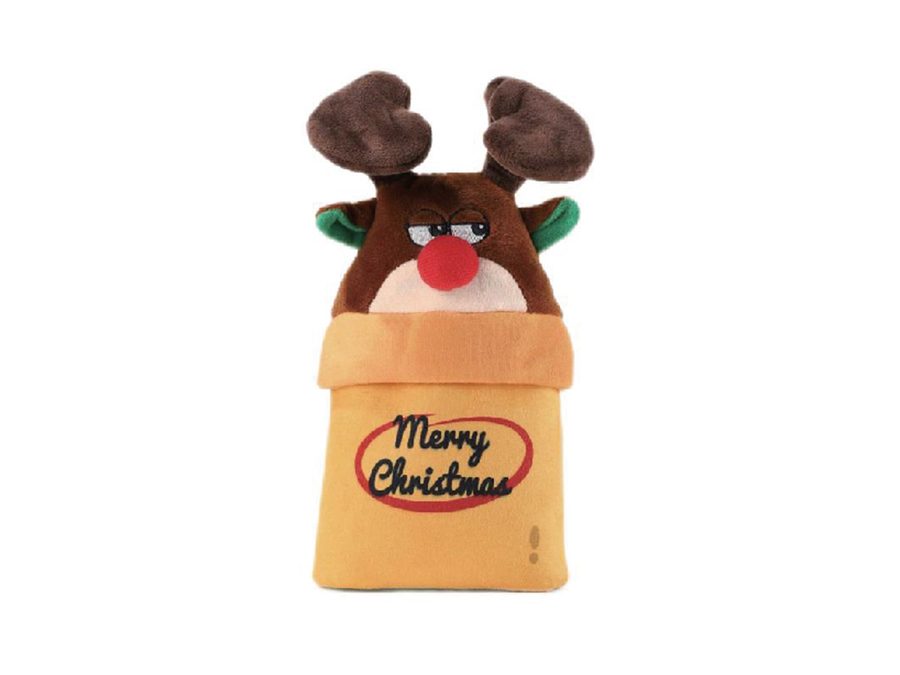
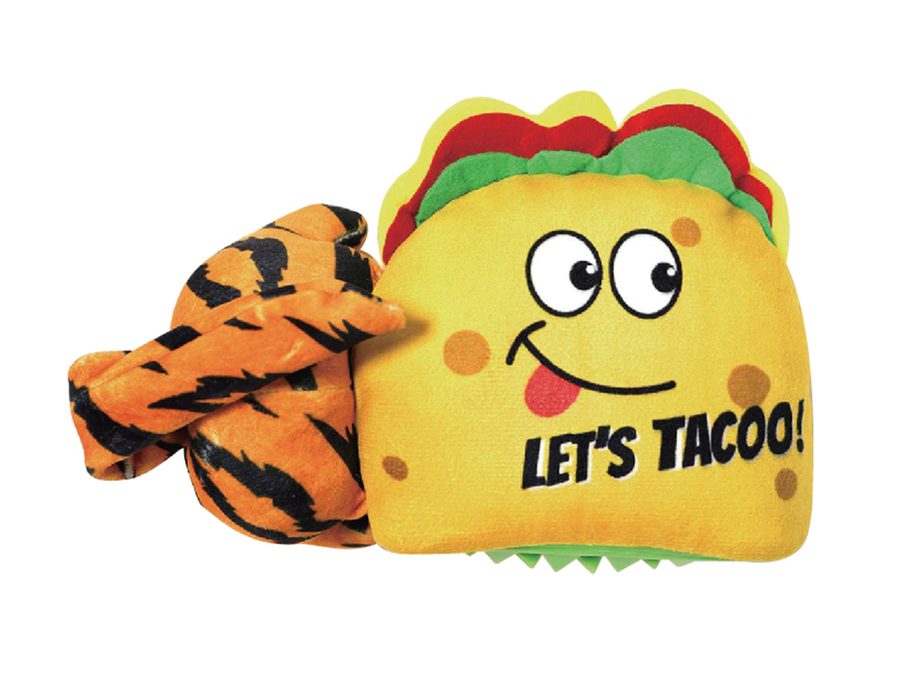
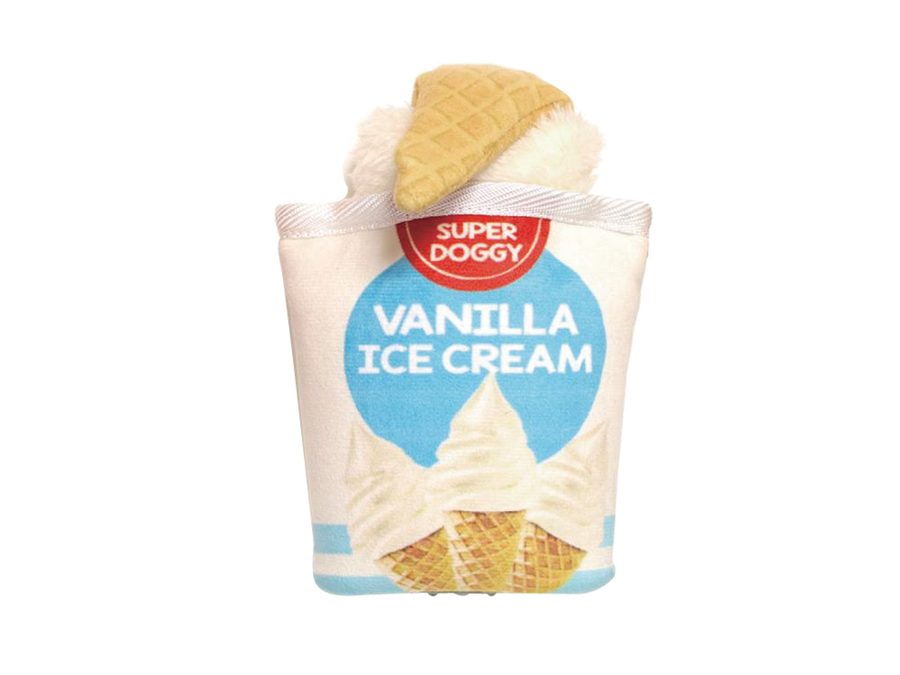
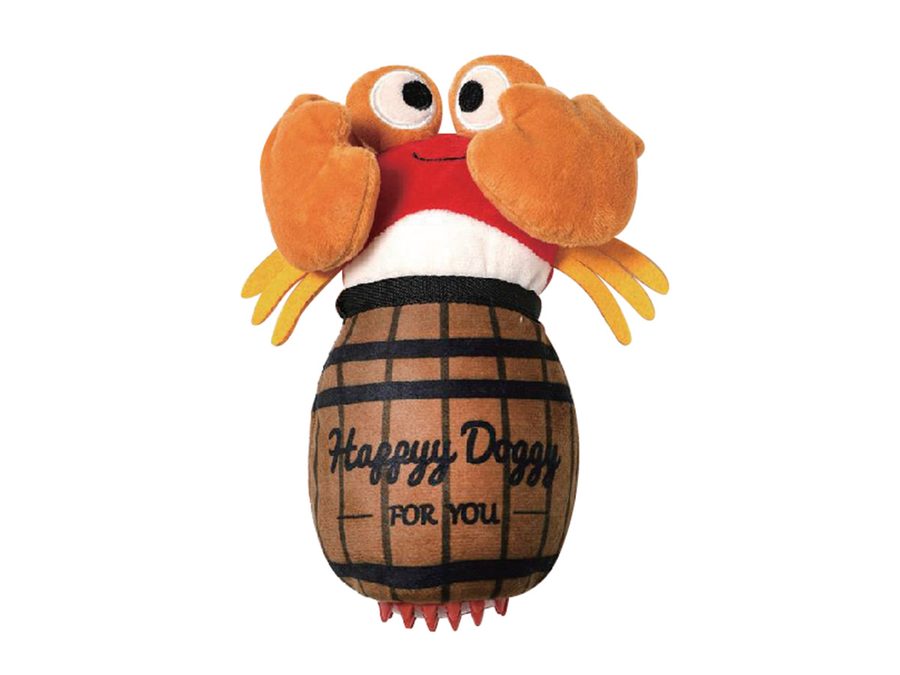
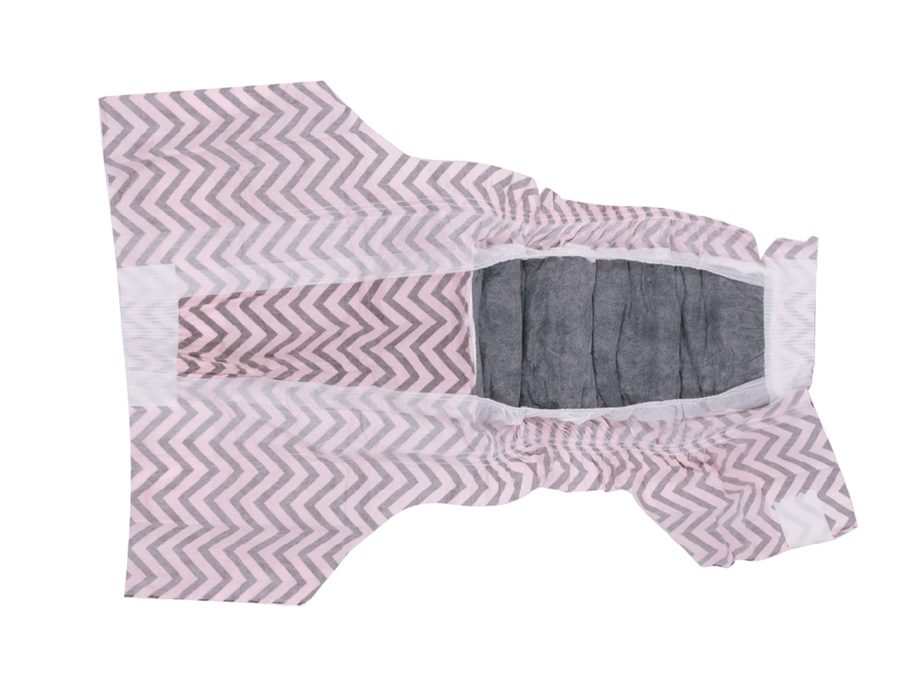
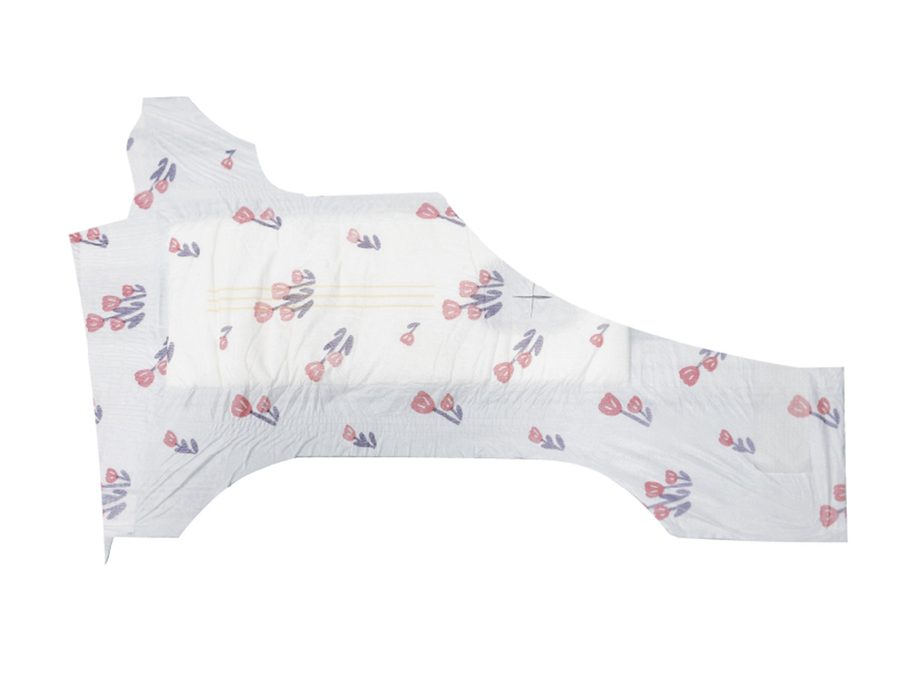
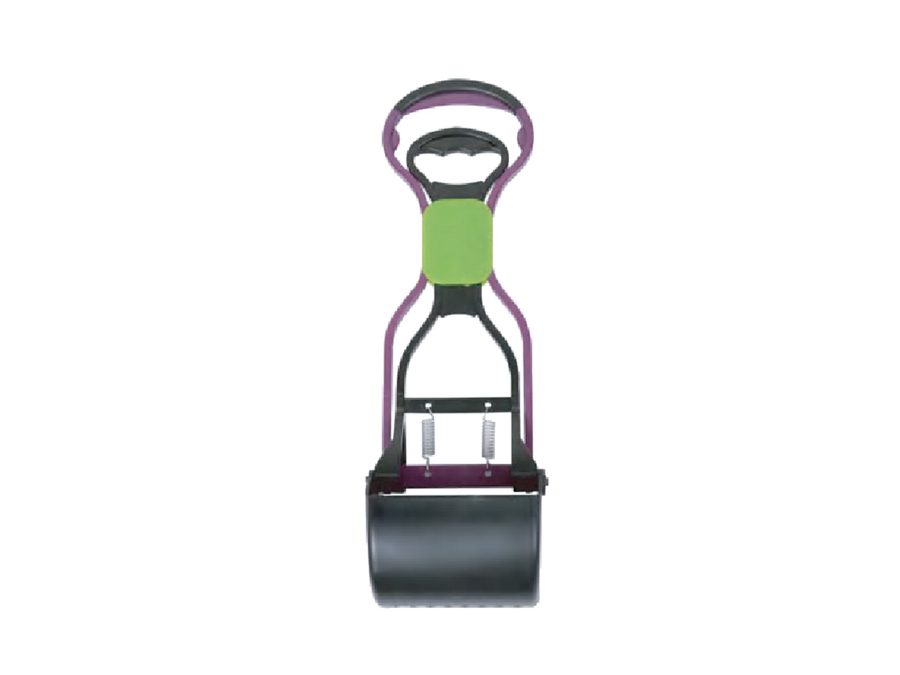
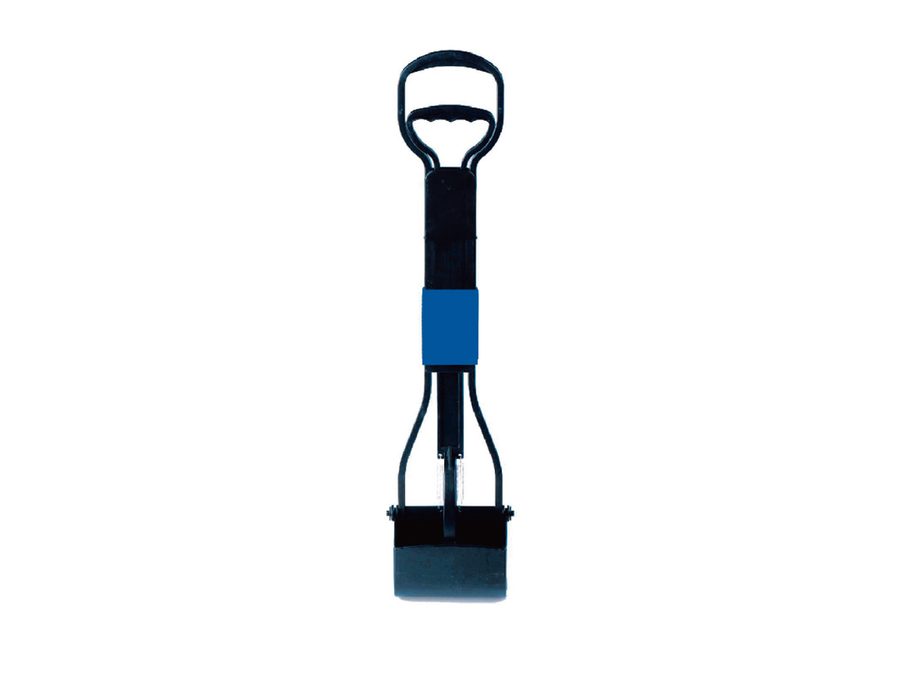
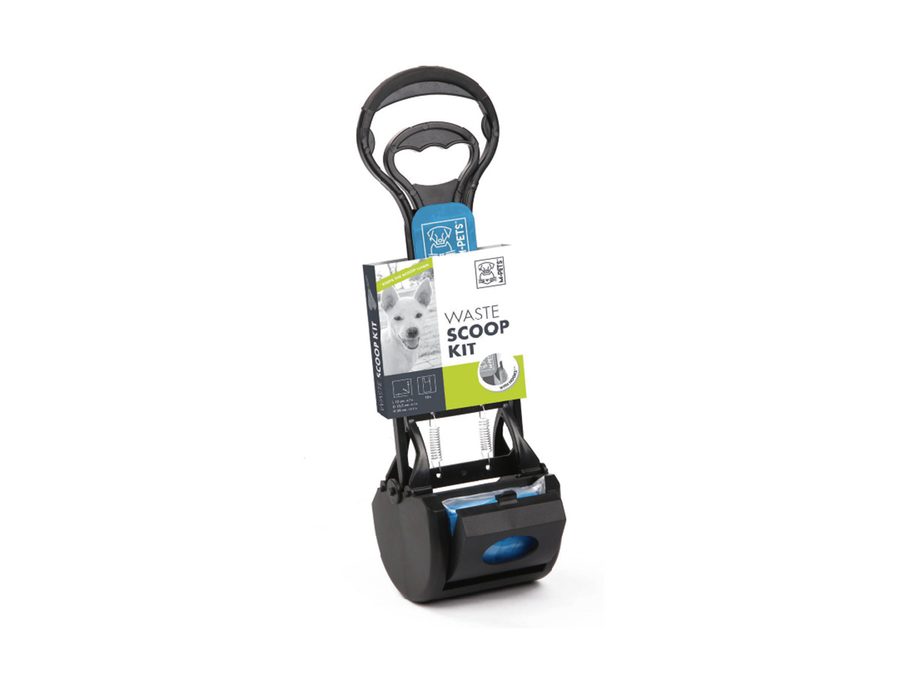
Plush and novelty toys are sewing-led, so minimums are lower and development is faster, and the squeaker or crinkle film inside decides much of the safety testing rather than the outer fabric. Washable sanitary pants are a textile product with an absorbent middle layer and an elasticated waist, quoted by waist measurement and pad size. Waste scoops are a hardgood quoted in PP or ABS, where handle length and bag compatibility are confirmed against the bag the buyer already stocks.
Cat Trees and Cat Furniture: Where the Engineering Sits
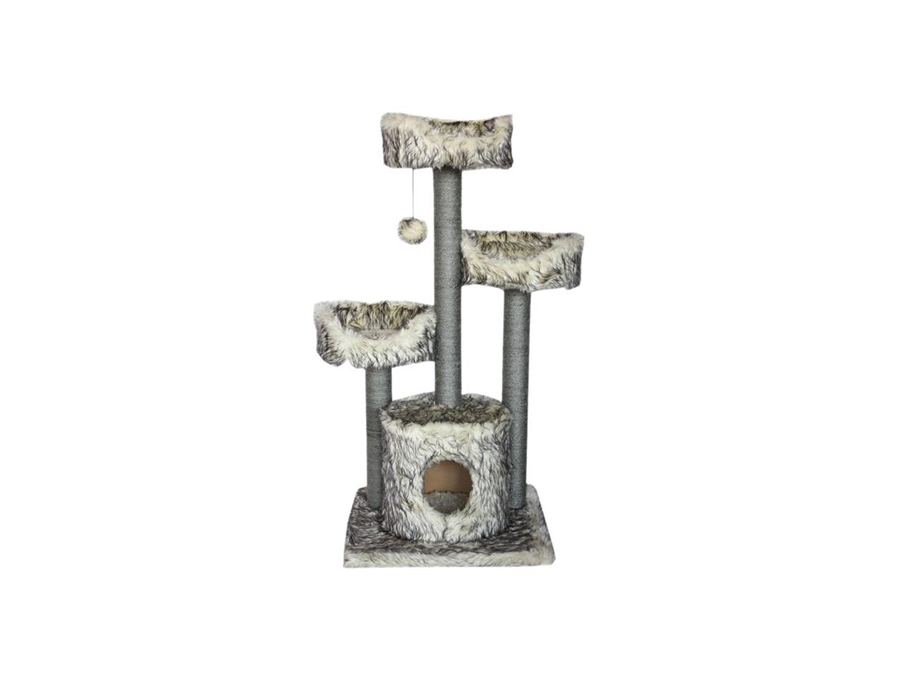
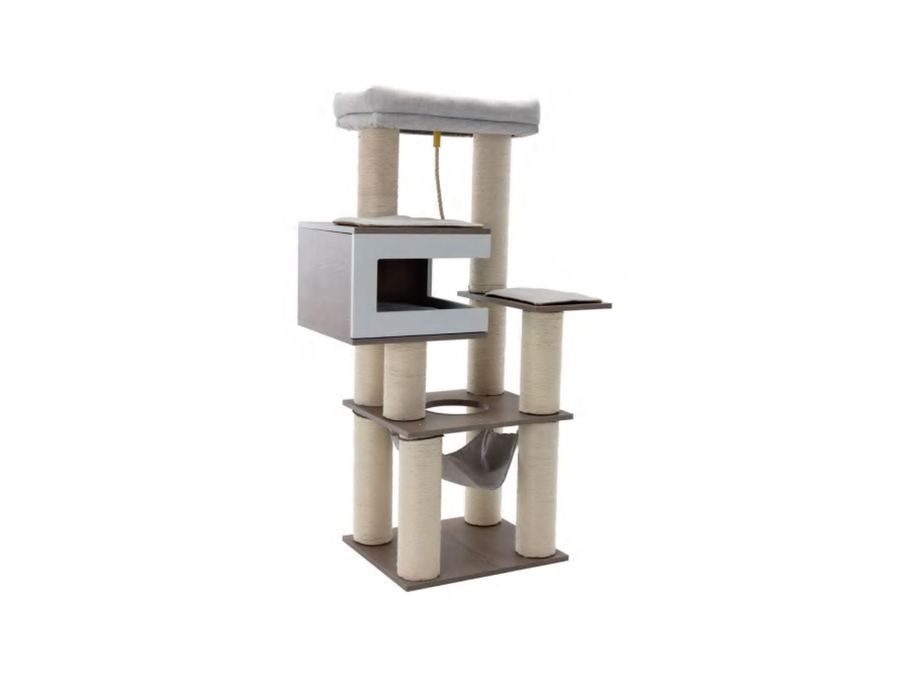
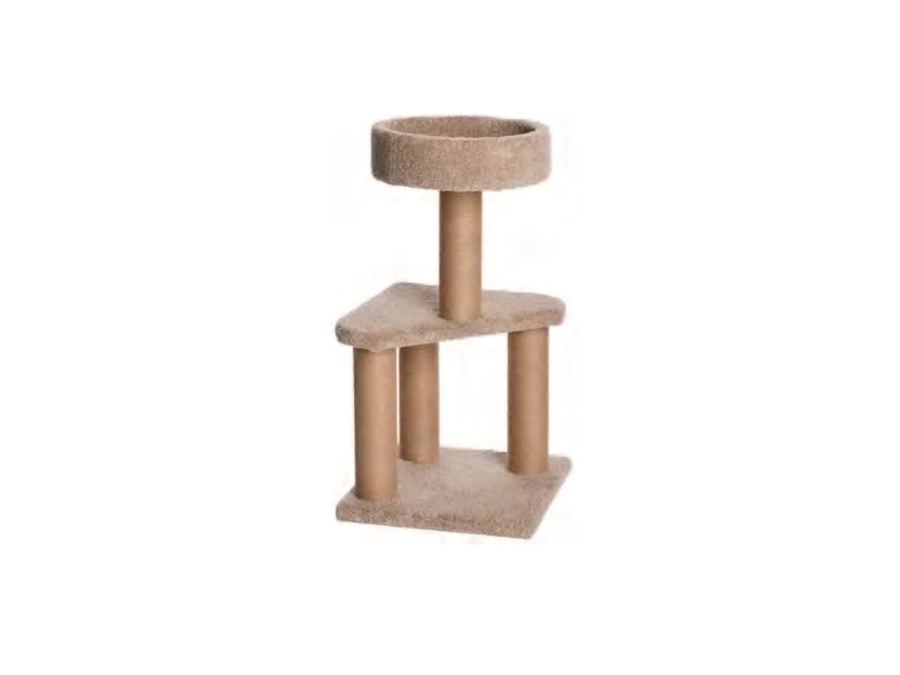
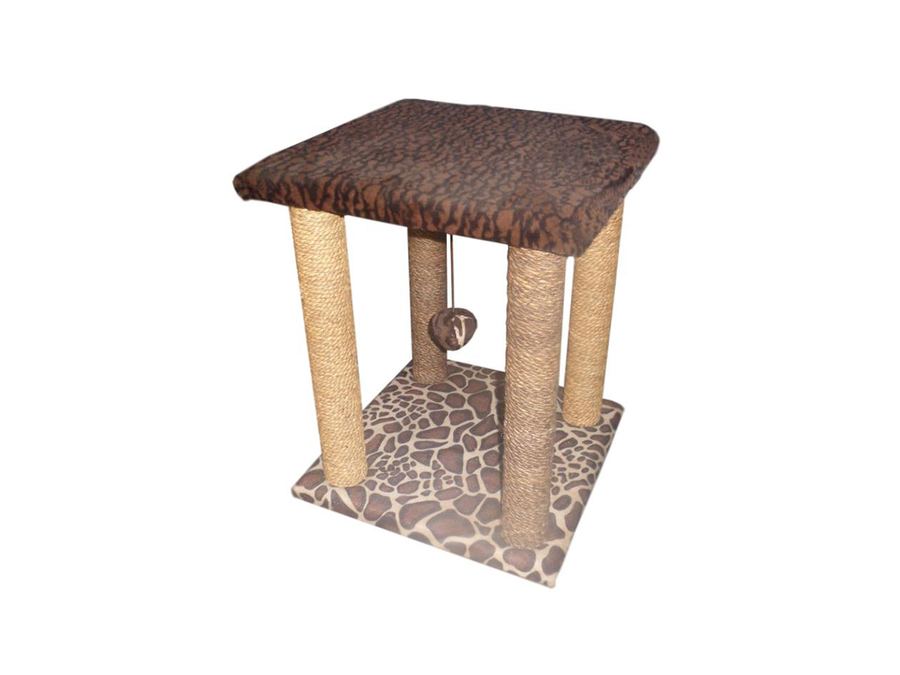
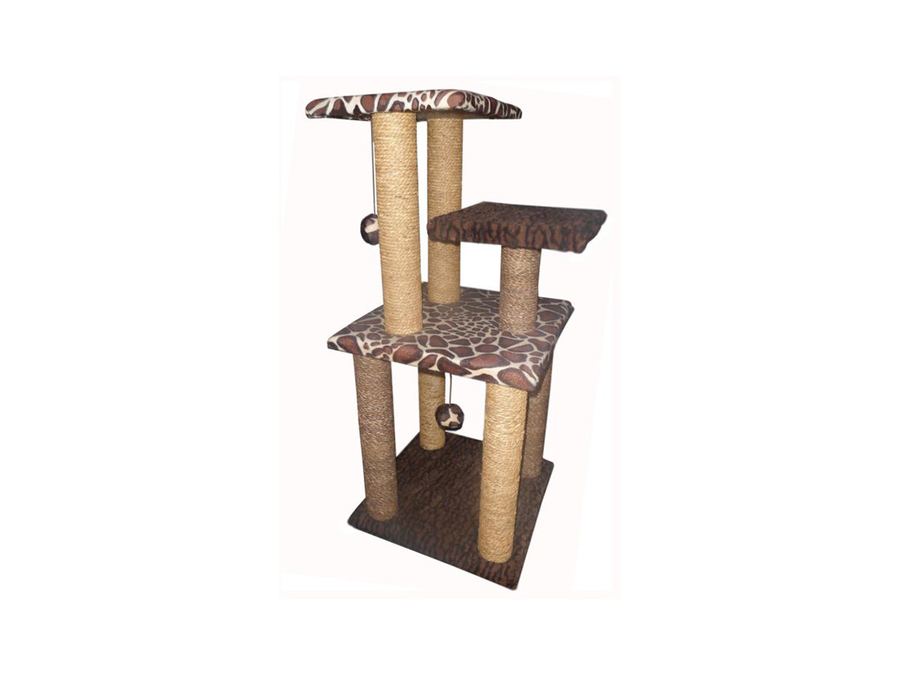
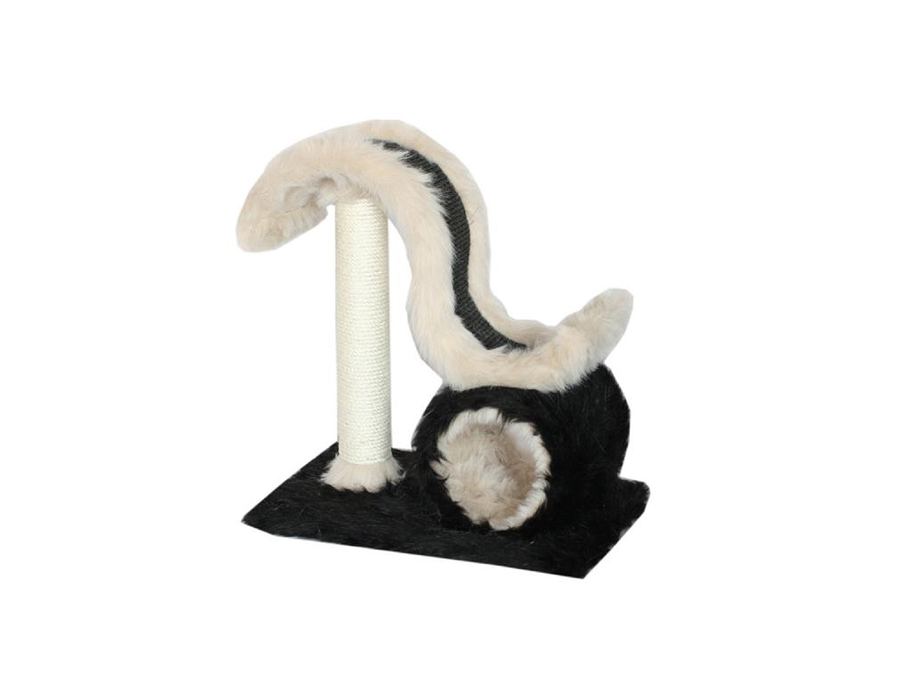
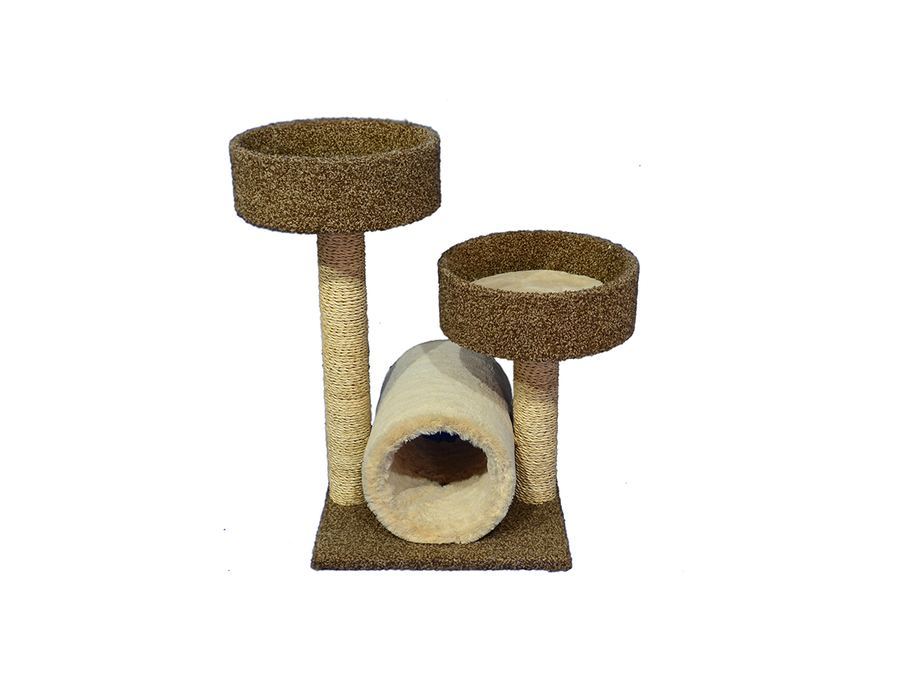
Cat furniture is the most engineering-heavy item in the pet range. Board grade decides whether a tall tower survives an adult cat landing on the top platform, so load-bearing panels are quoted in 15 mm or 18 mm particle board or plywood, with edge banding rather than raw edges, because raw edges swell in a humid warehouse and tear the wrap.
Sisal wrapping is the second decision. Cheap twine looks identical in a photograph and sheds within weeks, so yarn count, wrap tension and adhesive are fixed at sample stage and a sealed sample is retained for inspection. Condo fabric is quoted by GSM and pile height, which lets two suppliers' counter-samples be compared on the same basis instead of on appearance.
Beds, Apparel and Soft Goods
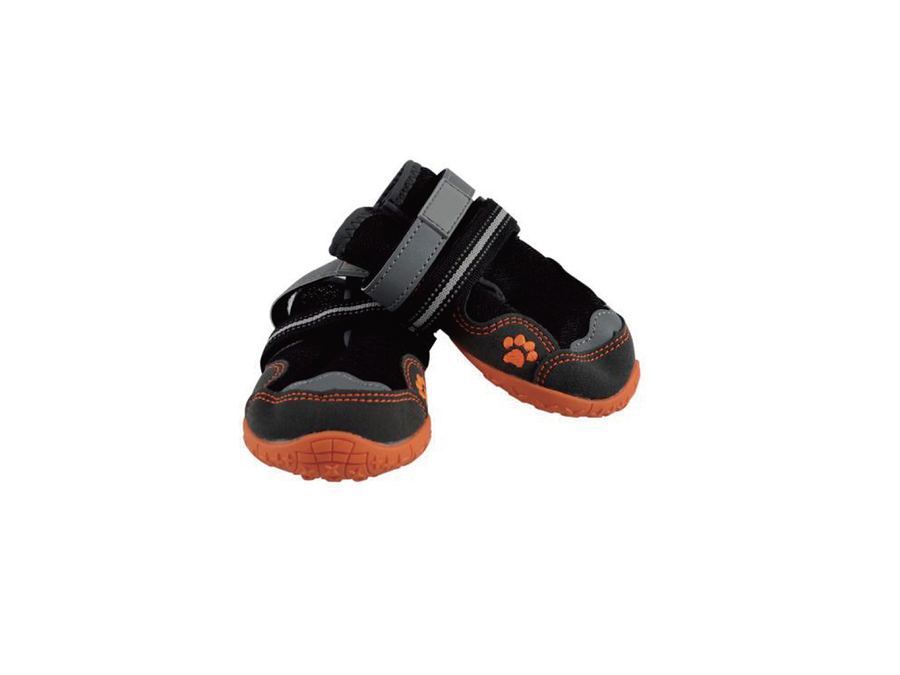
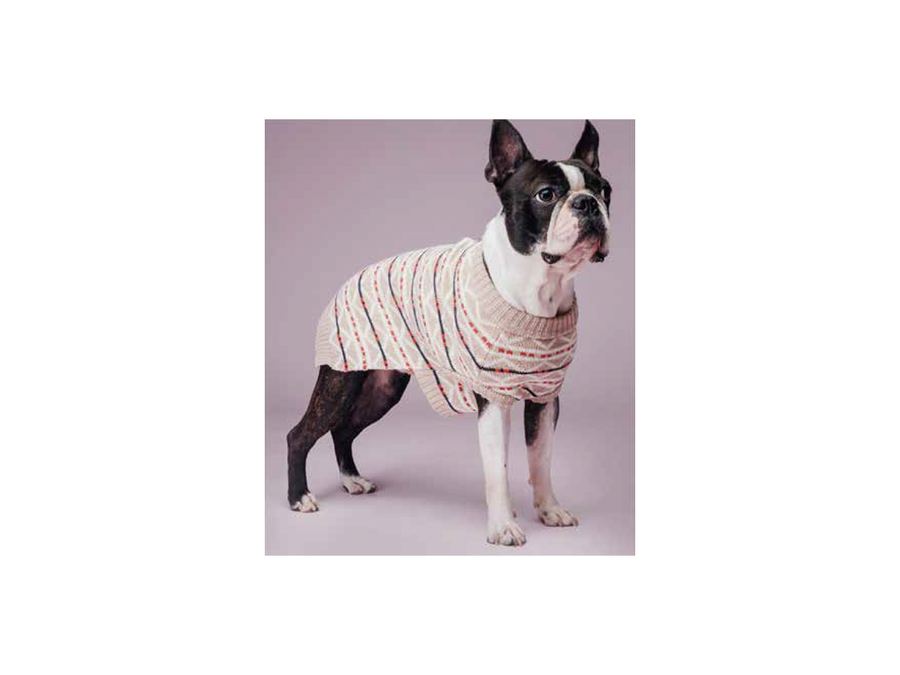
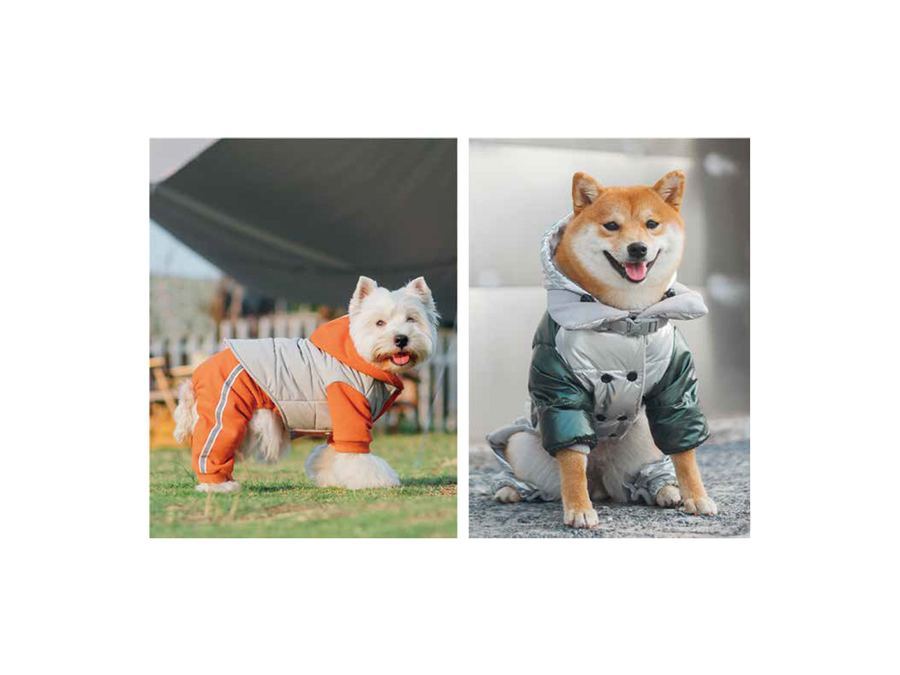
Beds, blankets, jumpers and harnesses are textile programmes: the cost drivers are fabric, filling and sewing minutes rather than tooling. Oxford and polyester-cotton shells, PP cotton or memory-foam filling and anti-slip bases are quoted as separate line items, so a buyer can trade specification against target price instead of accepting one blended offer.
Sizing is where apparel programmes fail. A grading table built for human clothing breaks at the chest girth, so the size chart is confirmed against the buyer's own measuring method, one sealed size set is produced, and that set becomes the reference for every repeat order and every factory added later.
Carriers, Backpacks and Travel Products
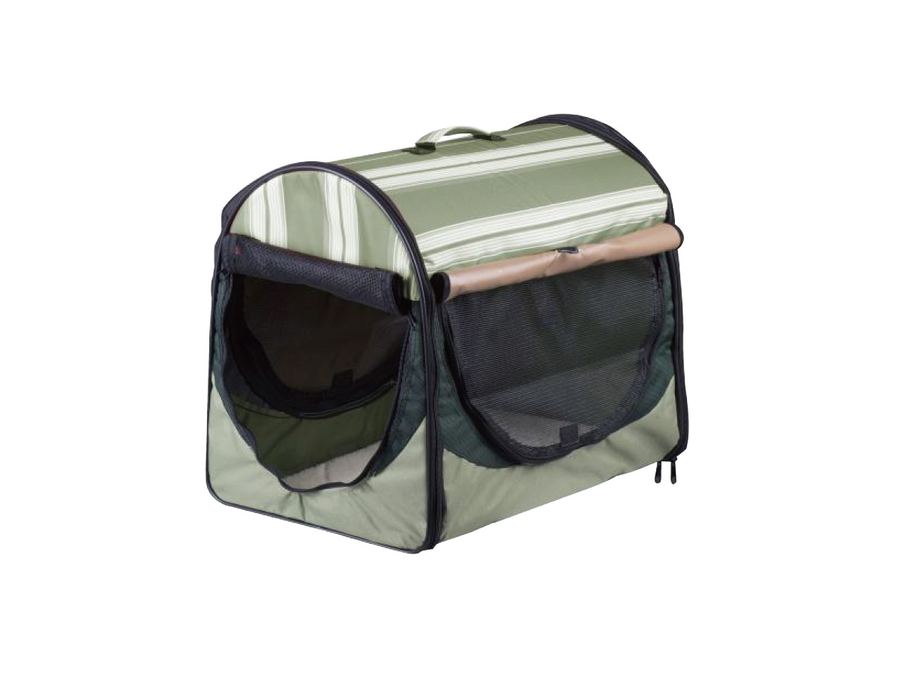
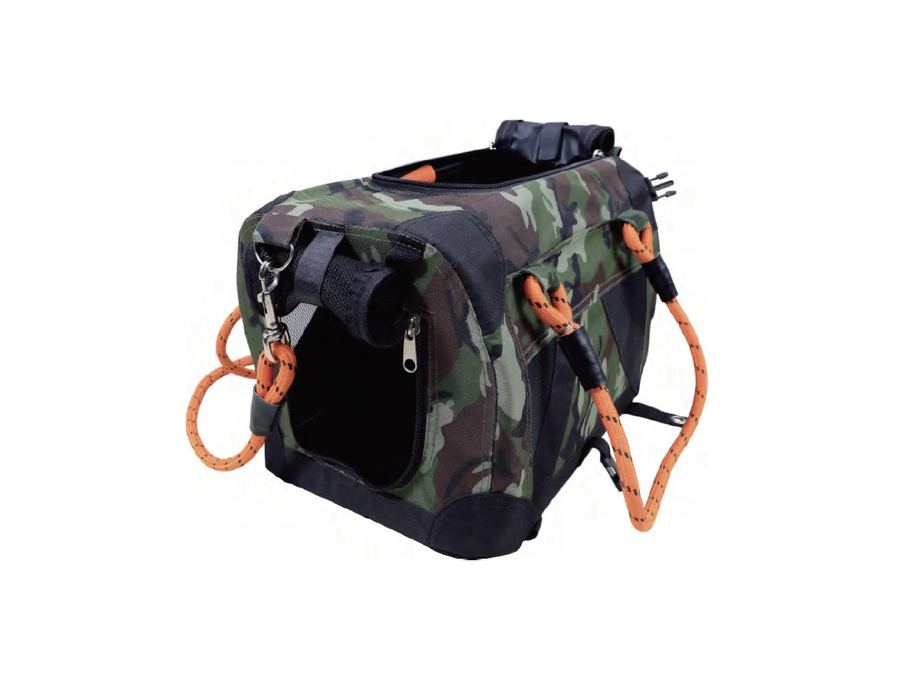
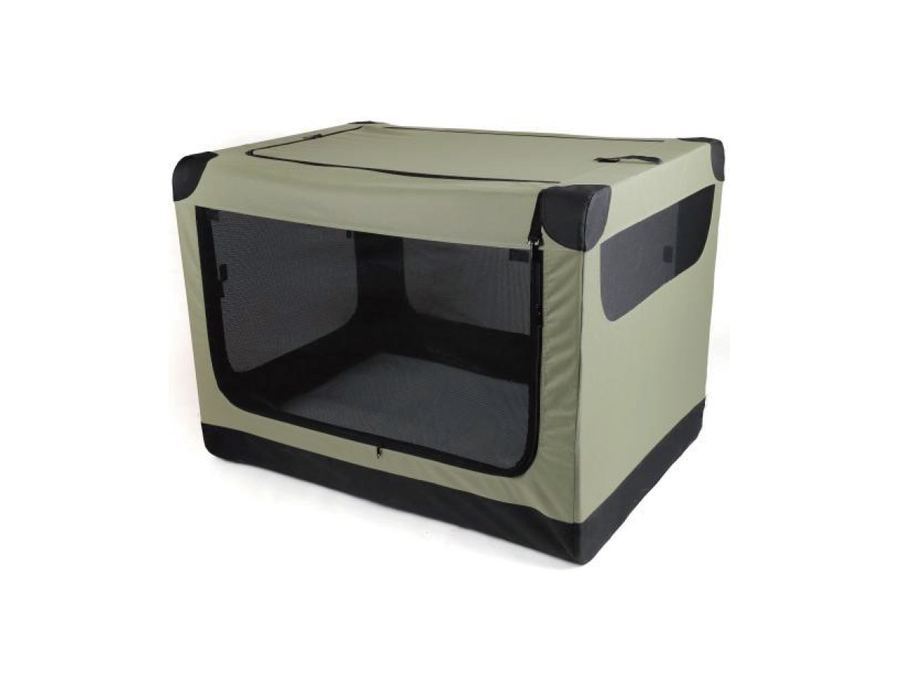
Soft-sided carriers, backpacks and hard crates sell into two very different channels: everyday retail and airline travel. Airline programmes carry the harder requirements, including cabin dimension limits, minimum ventilation area, load testing on zips and handles, and in some markets an internal tether point. The destination airline or retailer requirement sheet is therefore collected before quoting, because a carrier designed to a generic specification usually fails the first audit.
Zips, mesh and hardware are the failure points. Zip size and class, mesh weave weight and the expected yield strength on shoulder straps are specified before production and verified by pull testing during pre-shipment inspection rather than accepted from the factory's own report.
Pet Toys and Accessories
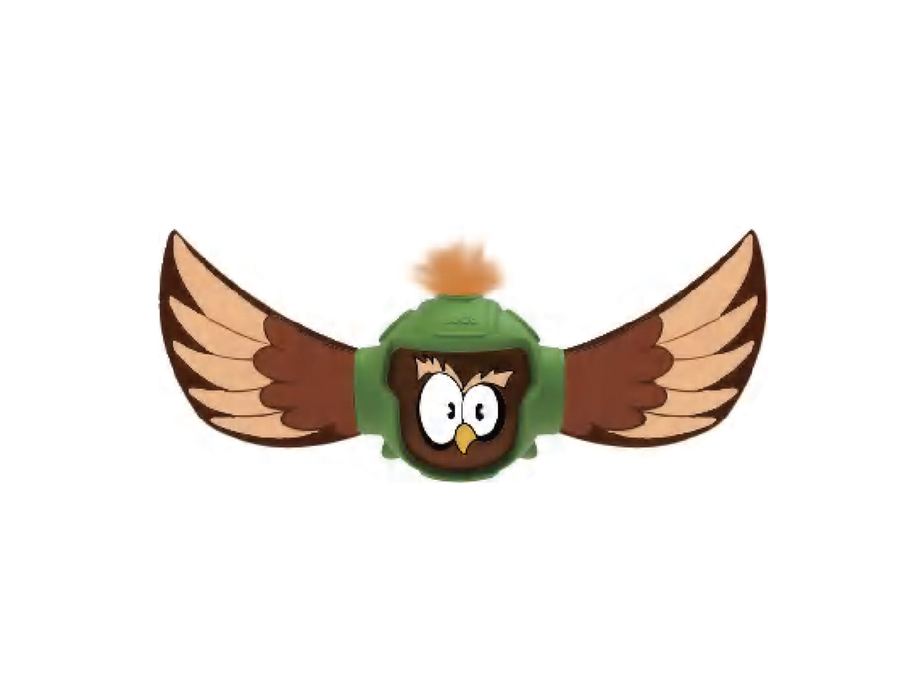
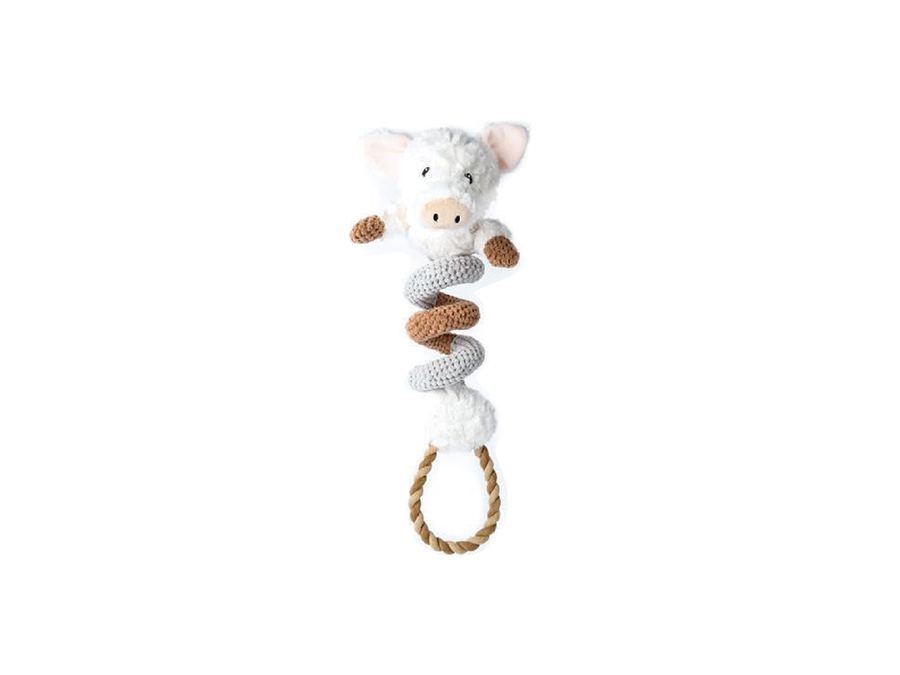
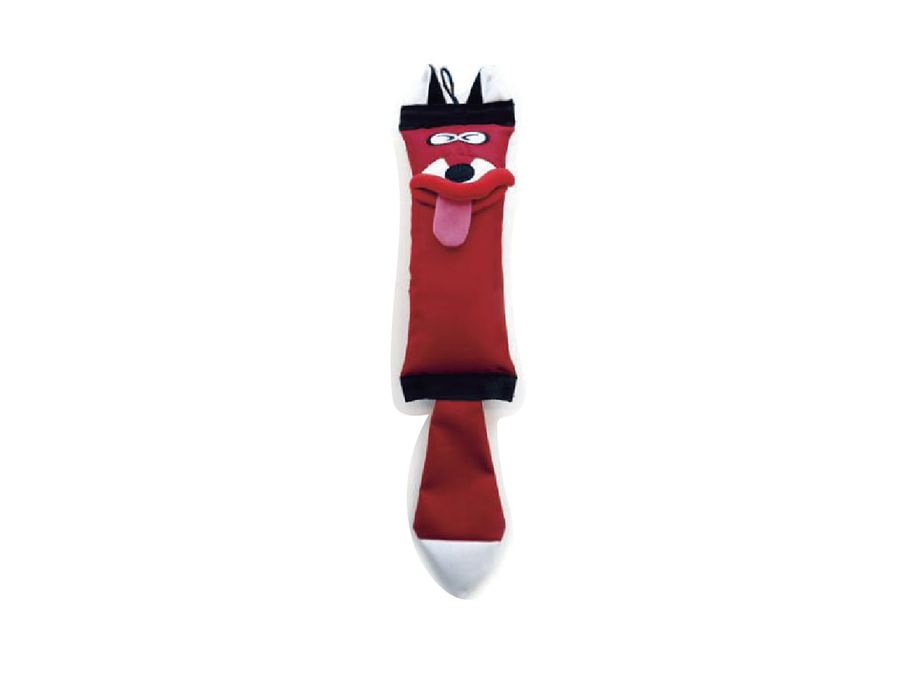
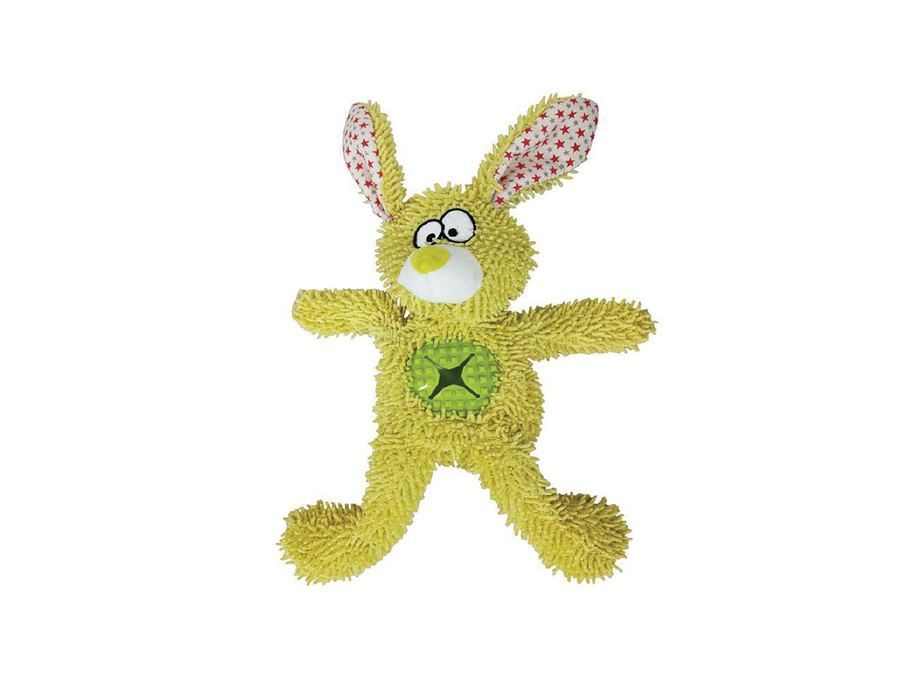
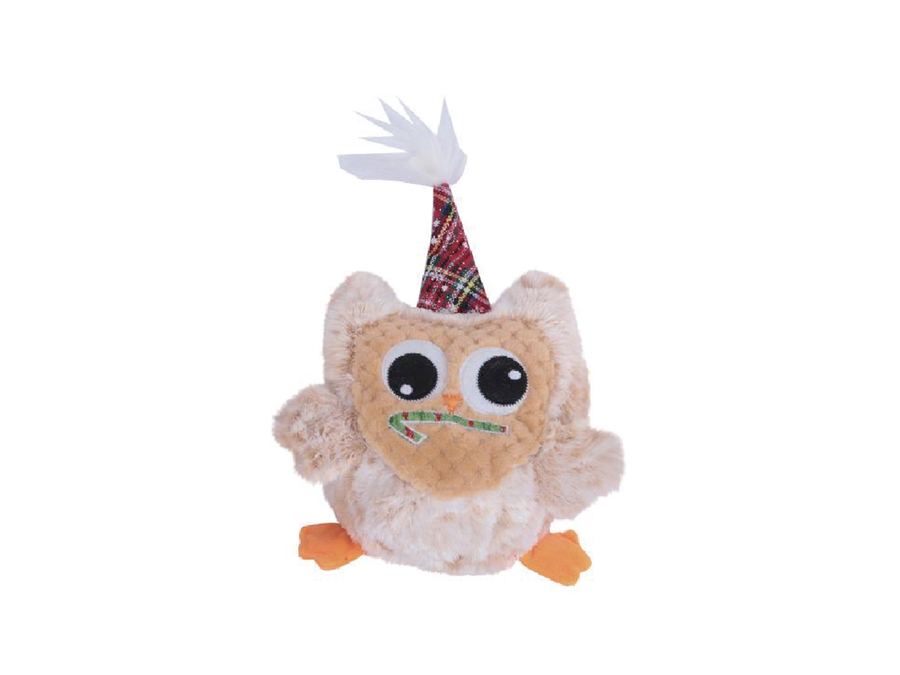
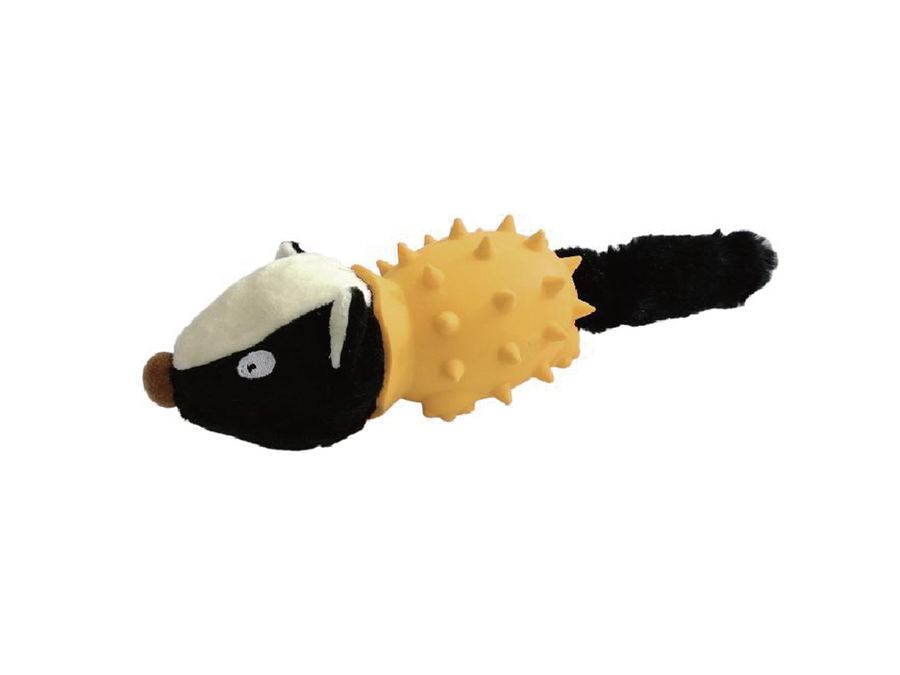
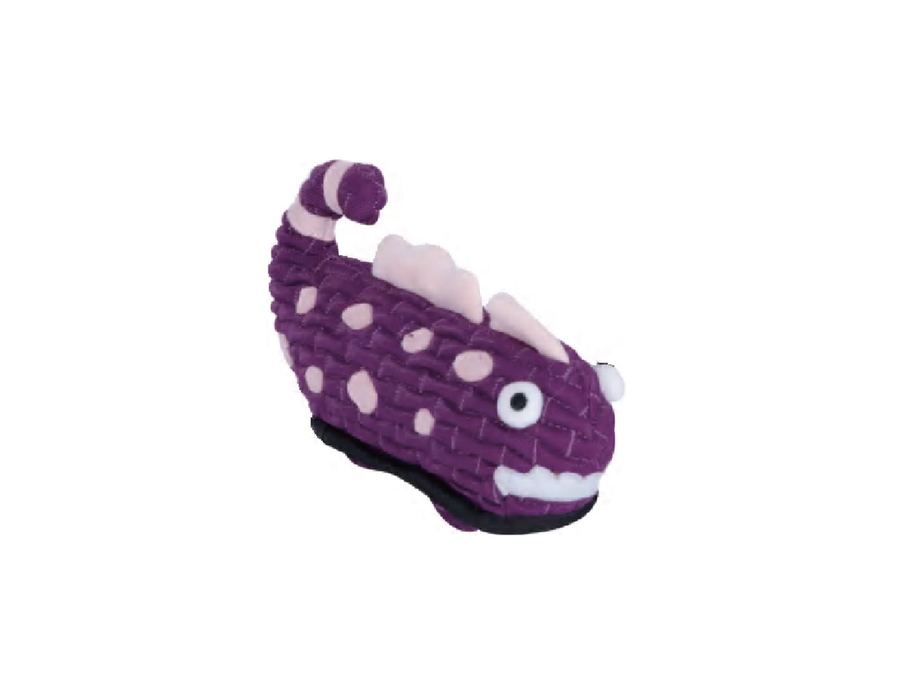
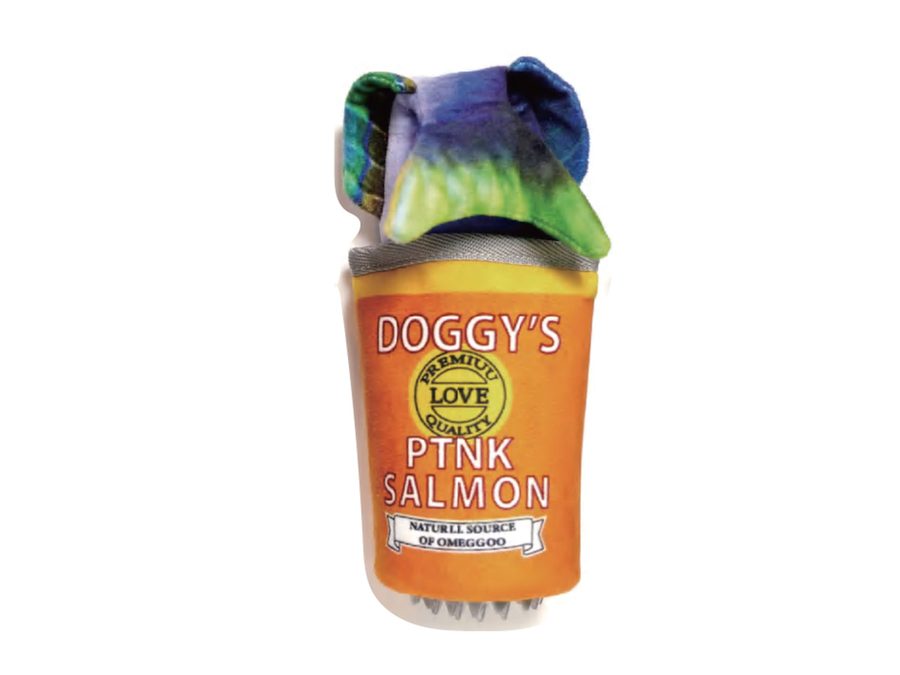
Toy programmes are shaped by two facts: dogs destroy things, and retailers want a visual range rather than a single SKU. Squeakers, crinkle film and plush thickness are quoted as options against a target retail price band, and the same outer shape is reused across several toy types so a range can be extended without new tooling.
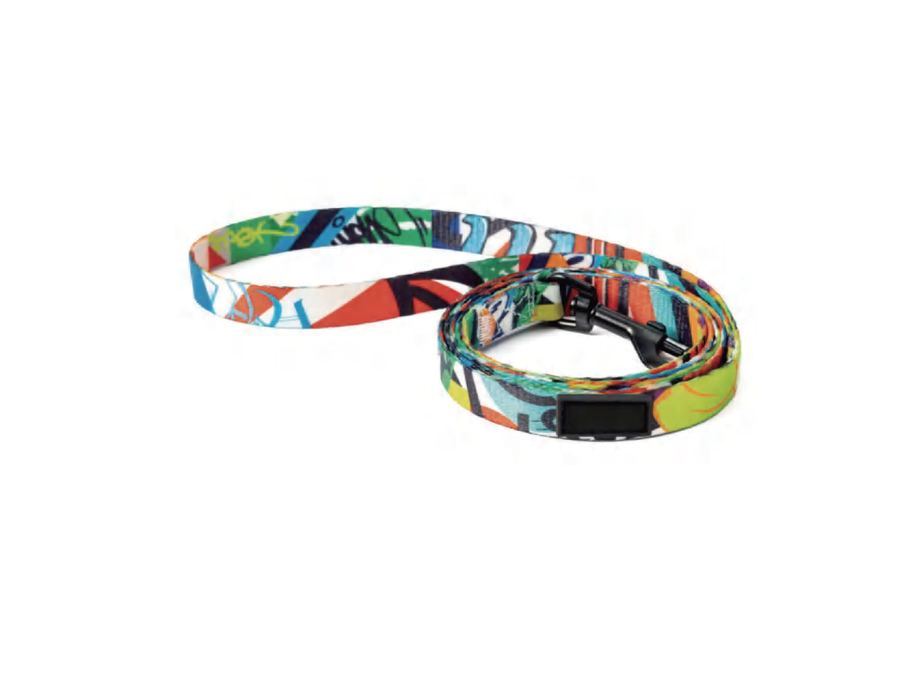
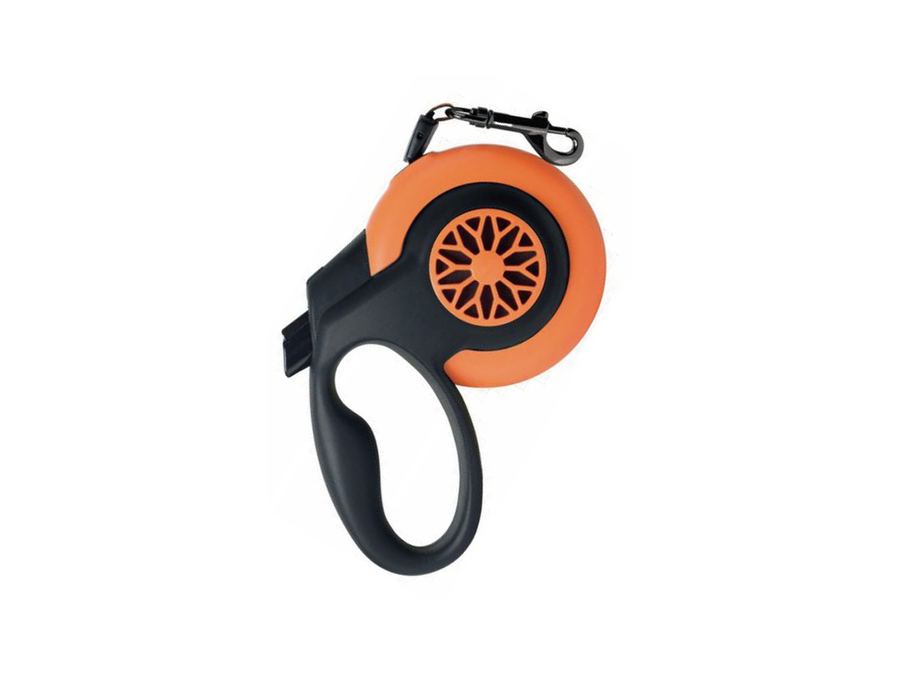
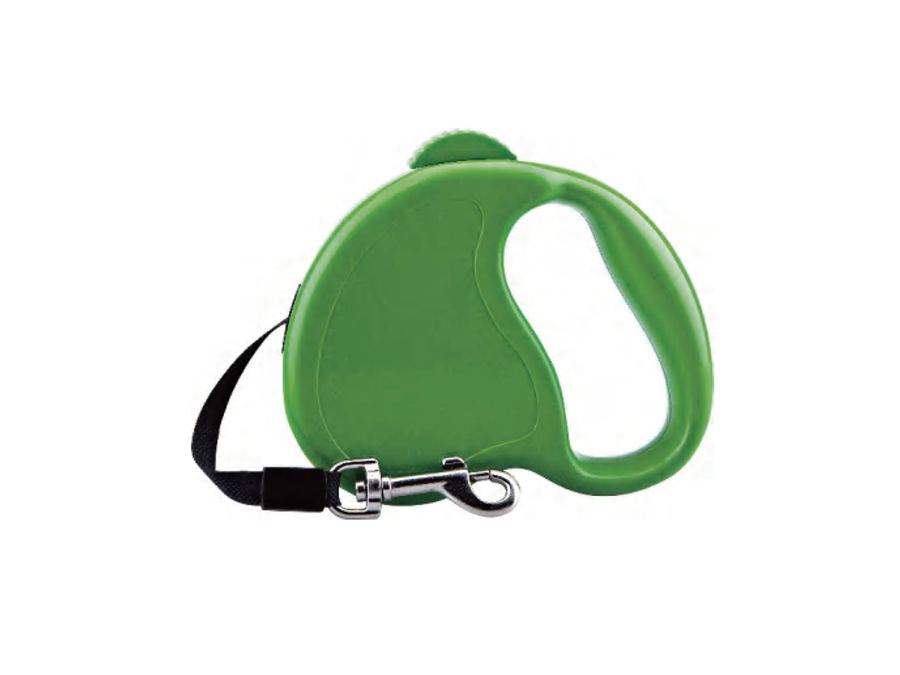
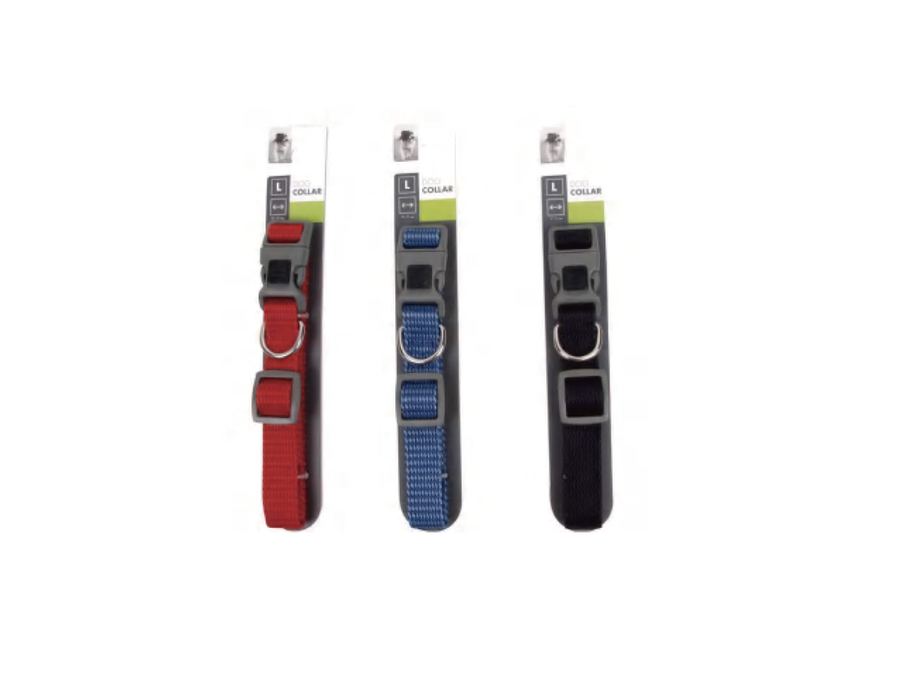
For leashes, collars and harnesses, webbing width, hardware finish and buckle metal content are confirmed per SKU, with salt-spray or tensile testing coordinated where the destination market or retailer requires documented results.
How a Pet Programme Is Quoted and Sampled
Cat furniture MOQs are set by board cutting and carton size and typically start in the low hundreds of pieces per model. Plush toys and soft accessories can start lower because they are sewing-led rather than tooling-led. The MOQ is confirmed per SKU against the carton configuration at quotation stage, not negotiated after pricing is agreed.
A normal development cycle produces a first counter-sample within two to three weeks, a revised sample after buyer comments, then pre-production sample and mass production. Custom moulds and new tooling carry their own lead time and are quoted separately so the buyer can see where the money sits.
Test Plans for Pet Products, and How Packing Is Quoted
Pet products entering Europe and North America are judged against different frameworks. Toy safety rules apply to some pet toys in some markets, textile labelling rules apply to beds and apparel in others, and furniture stability is often a retailer requirement rather than a legal one. The destination market is mapped to an applicable test list before the first sample, so testing is budgeted rather than discovered at shipment.
Packing is quoted by carton dimensions, gross weight and units per carton, because an oversized carton costs more container space than a price negotiation ever recovers. Shipping marks, barcode placement and inner packing are confirmed before production, and pre-shipment inspection is arranged to the buyer's AQL.
Pet Sourcing Questions
What is a typical MOQ for cat trees?
Cat furniture MOQs are driven by board cutting and carton size and commonly start in the low hundreds of pieces per model. Plush toys and soft accessories can start lower because they are sewing-led. The figure is confirmed per SKU at quotation stage.
Can a cat tree be developed from a photograph or a competitor sample?
Yes. Platform dimensions, board thickness, post diameter and base weight are measured from the reference product, then a counter-sample is produced for approval. A sealed sample is retained and used as the quality reference for repeat orders.
Do you handle private label branding for pet products?
We coordinate logo artwork, woven labels, hang tags, colour boxes and instruction sheets, and confirm barcode and shipping-mark details before production starts. Branding items are quoted before the order rather than treated as consumables.
How long does sampling take?
A first counter-sample normally takes two to three weeks, followed by a revised sample after buyer comments and then pre-production samples. Custom moulds and new tooling add their own lead time and are quoted separately.
Can washable pet sanitary pants be produced in our own sizes and prints?
Yes. Waist measurement, pad size, elastic tension and print artwork are buyer-specified, and a graded size run is agreed at sample stage. Because the absorbent middle layer is the functional part of the product, its weight and composition are quoted separately instead of being left to the factory default.
How are pet waste scoops specified?
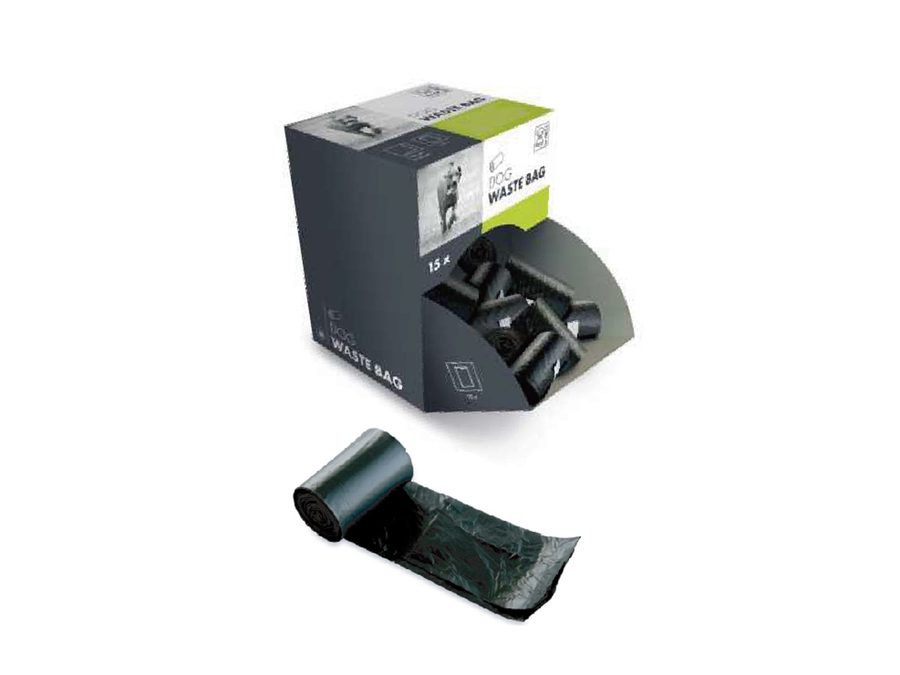
The scoop is quoted in PP or ABS, with the bag grip sized to the pickup bag format the buyer already uses. Handle length runs from compact folding versions for travel to long-handle models, and colour is fixed with the mould so it does not drift between production runs.