
Sporting goods Sourcing Service
We source sporting goods and outdoor activity products for family recreation, sports retail and promotional programs, including fitness accessories, camping and beach items, water sports products, yard games and seasonal sporting sets.
MASA's supplier network covers specialized sporting goods clusters in Zhejiang and Guangdong, with factory audits, product testing coordination and full development follow-up. From single promotional giveaways to complete own-brand sporting ranges, we handle sampling, pricing, production tracking and quality inspection end to end.
Ball Programmes: Sizes, Bladders and Printing
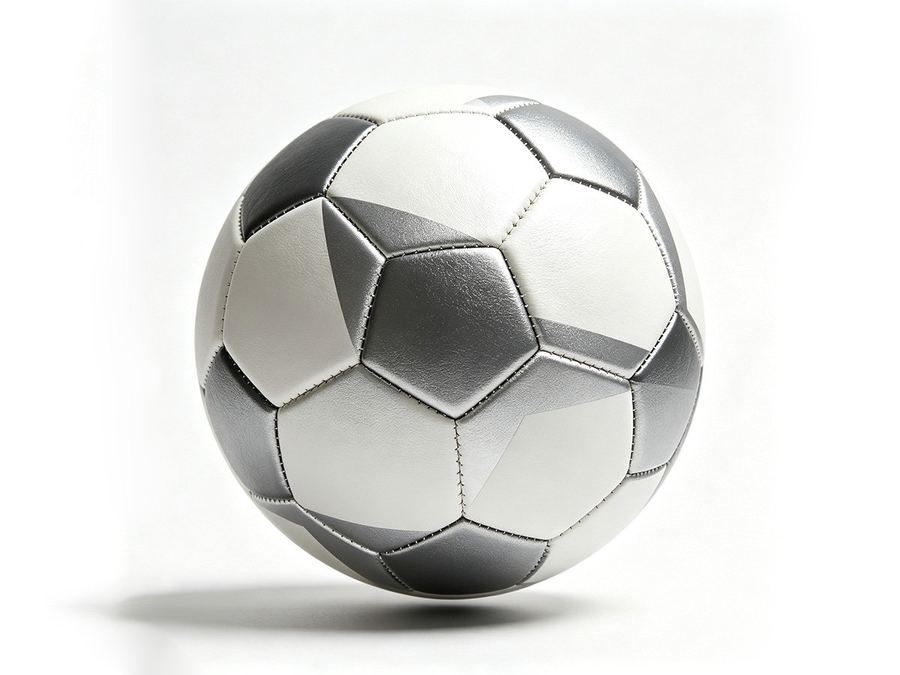
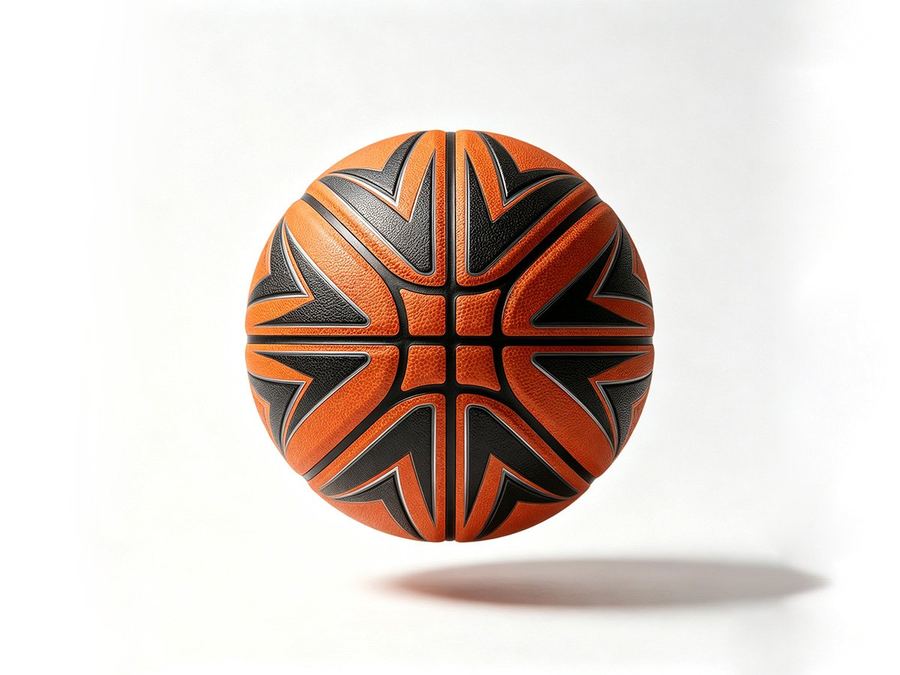
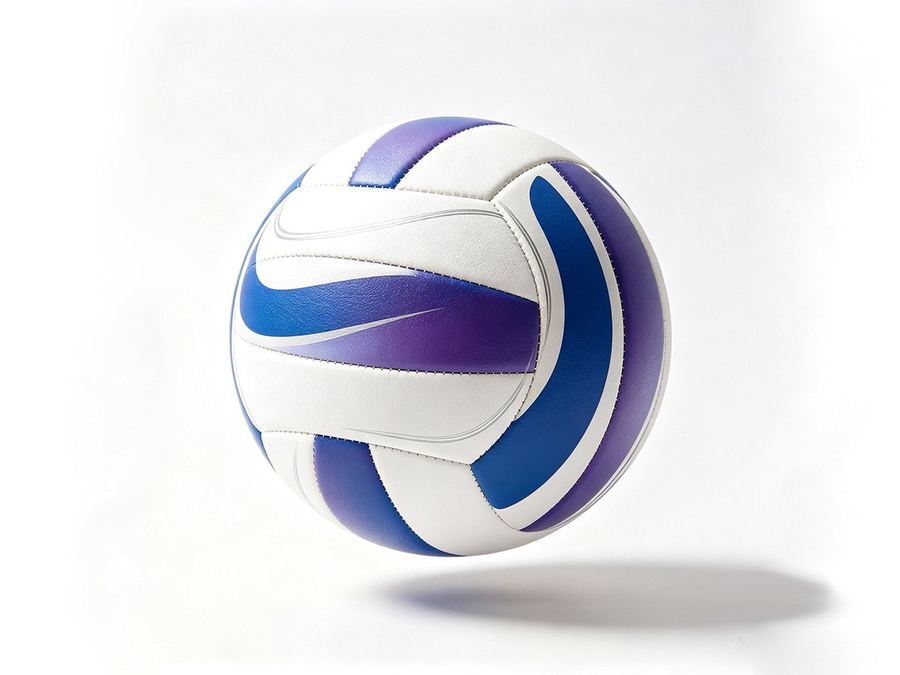
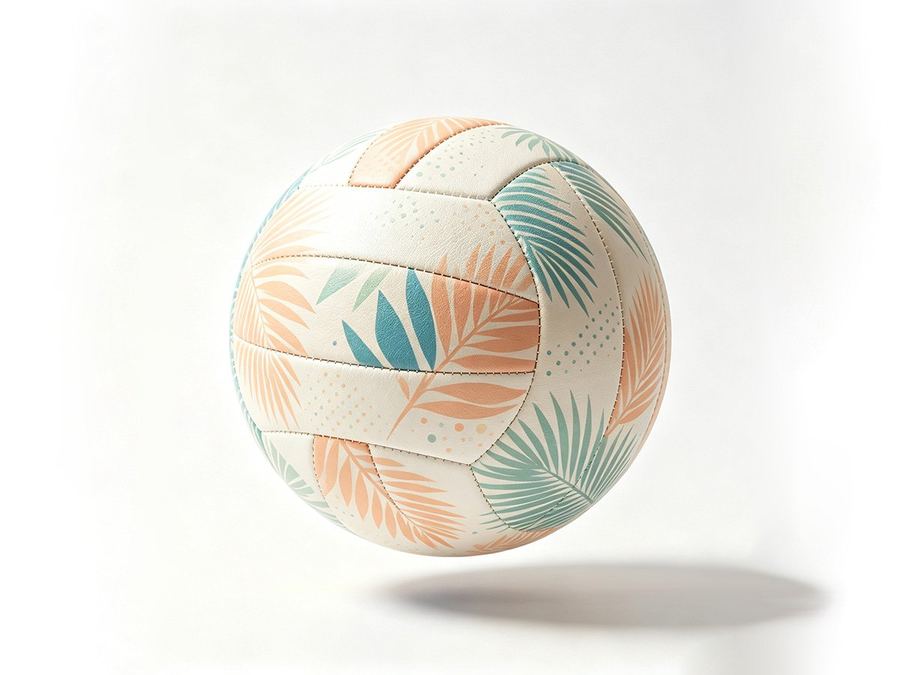
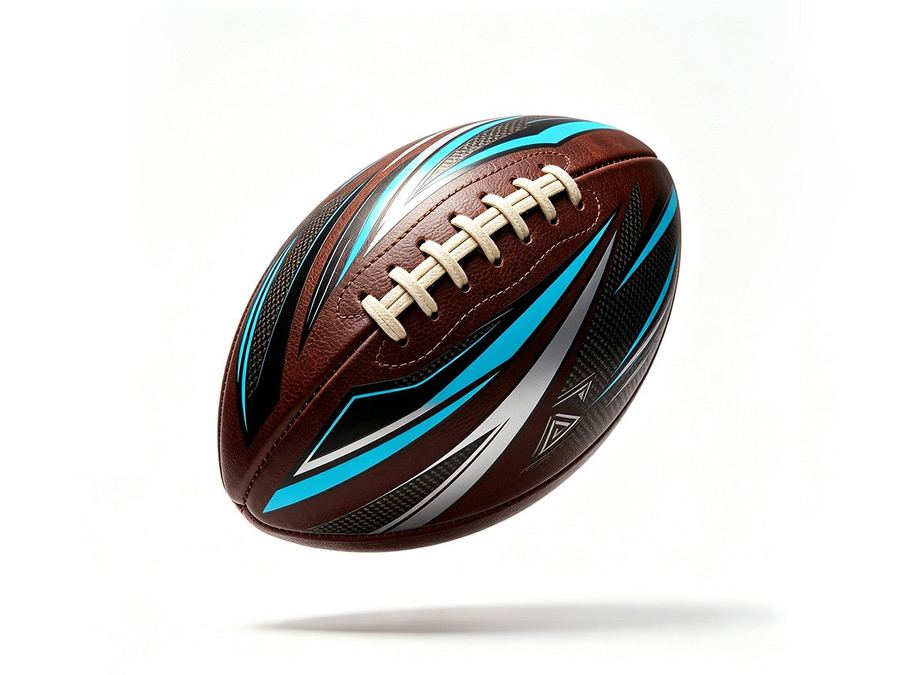
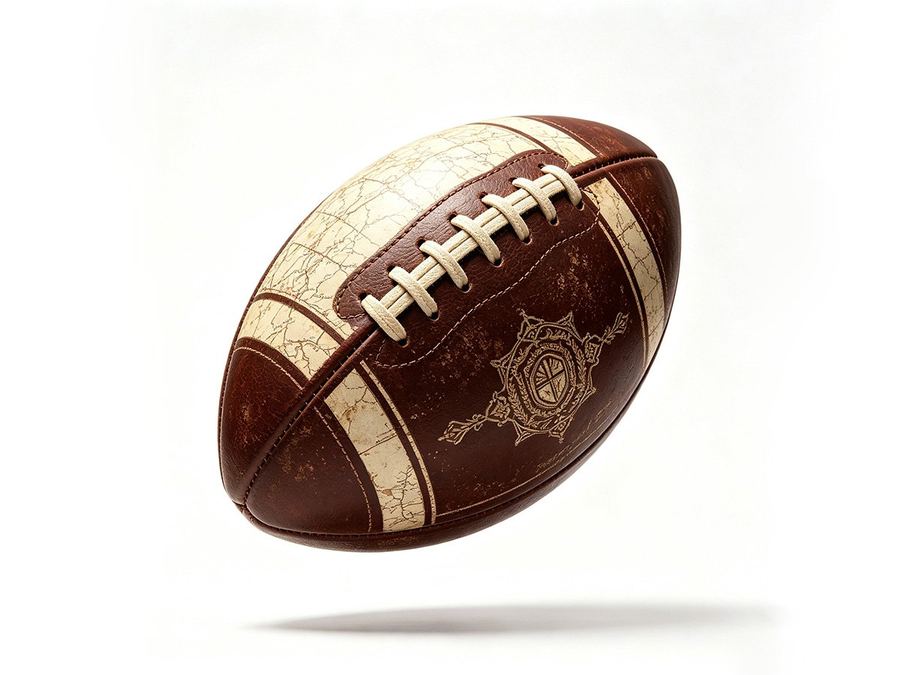
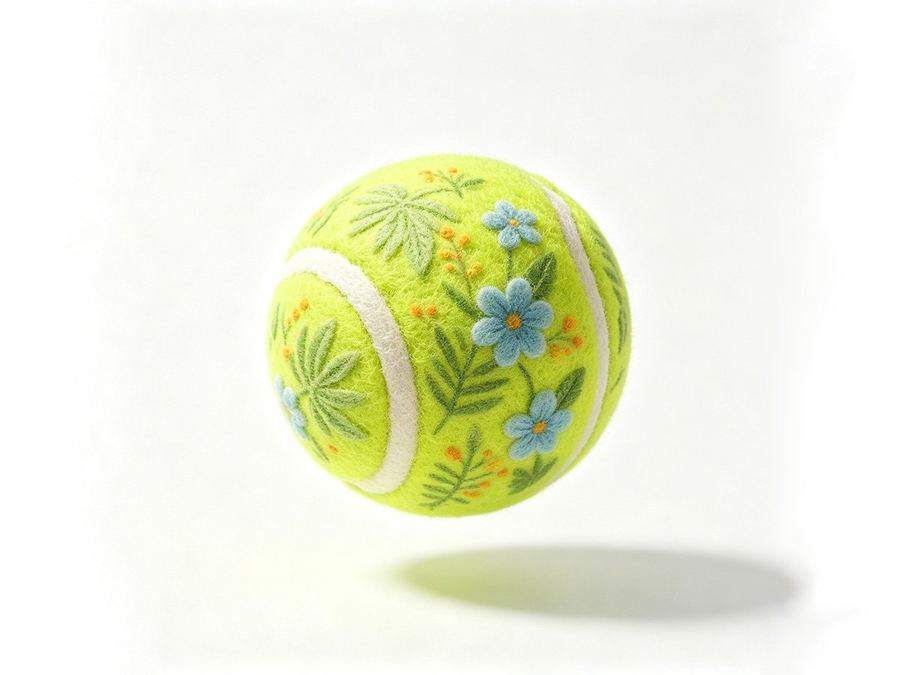
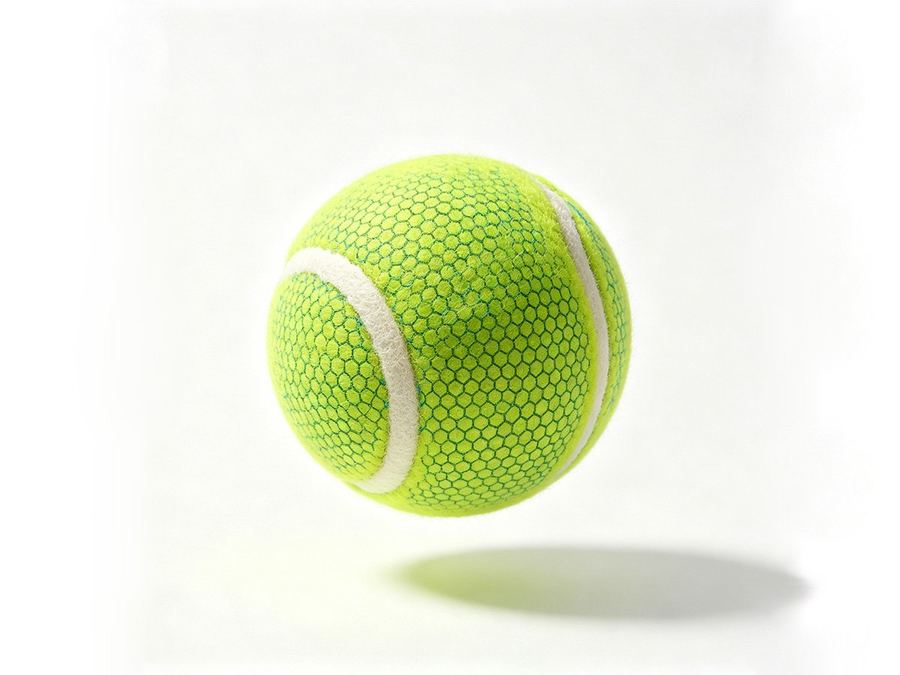
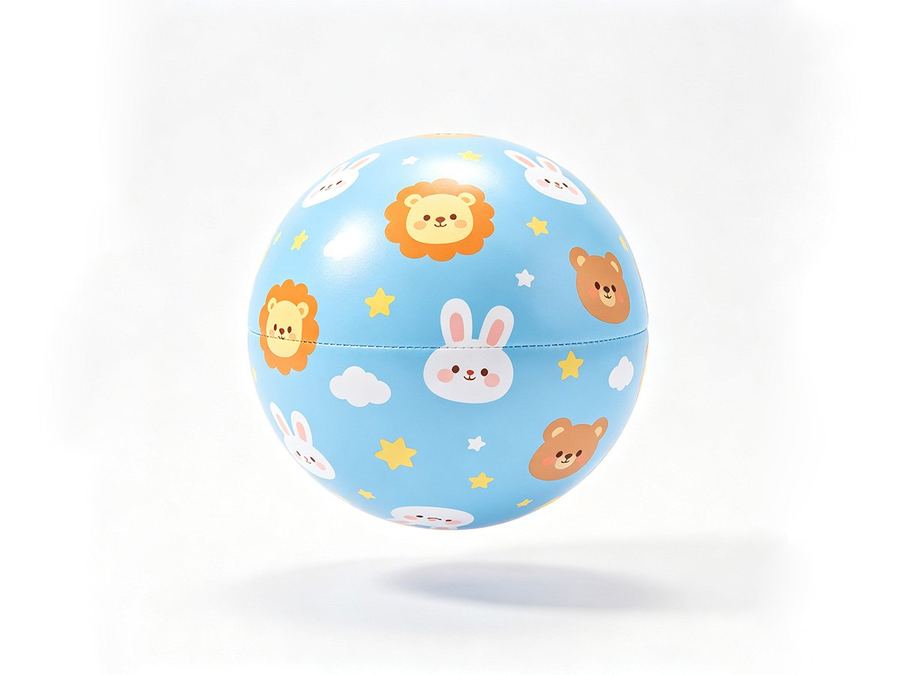
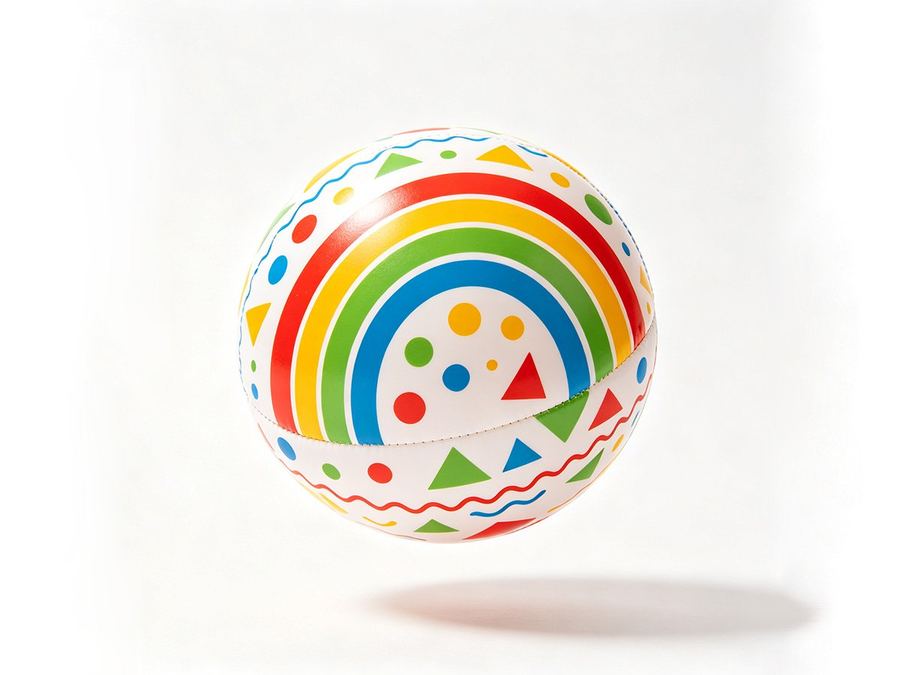
Balls look simple and are specification-heavy. Size and weight must match the code the buyer sells against, whether that is size 5 football, size 7 basketball or a regulation volleyball. Bladder type, lamination method and panel count determine how the ball holds shape, and hand-stitched, machine-stitched and moulded constructions sit at clearly different price points.
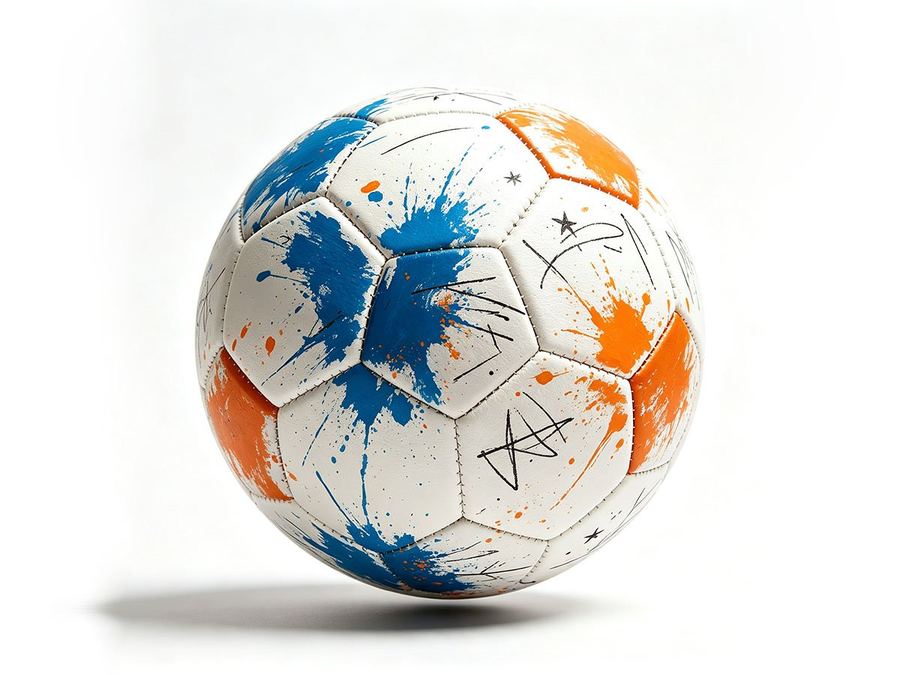
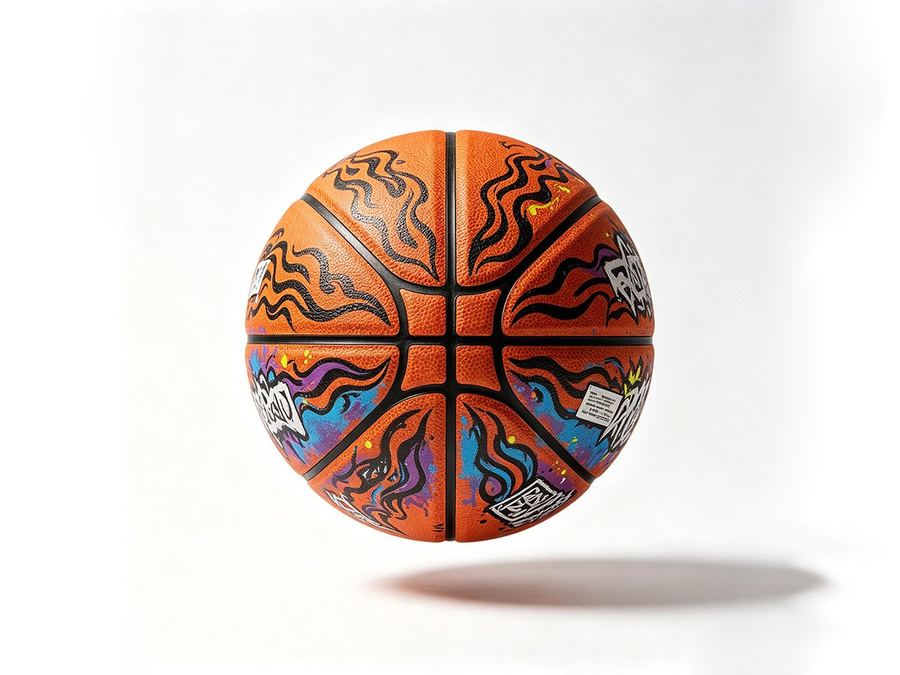
Printing is where branding money is made or lost. Heat transfer and pad printing both reproduce artwork, with different setup costs and different durability on a surface that is constantly abraded. Deflation pressure at packing is agreed with the buyer, because a partially deflated ball saves volume and a fully inflated ball protects shape.
Outdoor, Camping and Beach Items
Outdoor and beach products are quoted by frame material, fabric and folding mechanism. Steel frames cost least and rust first, aluminium costs more and travels better, and fibreglass is used where flexibility matters. Fabric is specified by denier and coating, since the same printed design in a lighter denier will not survive a season of sun.
Folding and locking mechanisms are the parts that generate complaints, so they are confirmed on a physical sample with a cycle test rather than on a drawing. Where a product is used by children, it is assessed as a toy or as a children's product depending on the market, which changes both the test plan and the warning labelling.
Fitness and Training Accessories
Fitness accessories are usually quoted against a load rating: resistance bands by tension range, mats by thickness and density, and small equipment by maximum user weight. Stating the load rating at quotation keeps the specification honest, because the cheapest quote on a mat is almost always a thinner mat than the one described in the brief.
Materials are chosen for grip, odour and durability. Natural rubber and TPE behave differently under heat, and PVC is cheapest but carries phthalate restrictions in several markets. The destination market decides which of these is acceptable before the specification is locked.
Compliance for Sporting Goods by Market
Sporting goods sit across several regulatory categories. Products intended for children may fall under toy safety rules, which bring mechanical, flammability and heavy-metal testing with them. Adult sporting goods are usually governed by general product safety rules plus any claim the packaging makes, such as UV protection or buoyancy.
Chemical limits apply throughout: phthalates in soft PVC, PAHs in rubber grips, and heavy metals in coatings and printing inks. Material declarations and test reports are collected per component so a late material substitution cannot quietly invalidate a completed test file.
Branding Samples and Product Minimums
MOQs for balls and outdoor items follow tooling and printing setup rather than assembly, so a new mould or a new print layout raises the minimum for that SKU. Where a range shares one mould across several graphics, the minimum is usually carried once and the graphics are treated as print changes.
Branding routes include heat transfer, pad printing, embroidery, debossing on rubber and custom labels. Samples are produced with the final artwork and the final material where possible, because a branding sample made on a different substrate often misleads the buyer about colour and registration.
Packing, Inflation and Container Planning
Sporting goods are bulky, so packing is a first-order cost. Balls pack deflated by agreement, folding items pack flat, and poles or frames are quoted with their packed length so the buyer can see the real container utilisation before committing to a specification.
Cartons are specified with dimensions, gross weight and units per carton, and any retail display requirement is settled at quotation stage. For mixed sporting ranges, packing is planned by SKU so that one container serves several reorder patterns without repacking at destination.
Sporting goods Sourcing Questions
Are your balls supplied inflated or deflated?
Both options are available and the choice is agreed at quotation stage. Deflated packing saves significant container volume, while inflated packing protects shape. Inflating instructions and valve quality are checked in pre-shipment inspection either way.
Can sporting goods be tested for children's markets?
Yes. Items intended for children may fall under toy safety rules, which bring mechanical, flammability and heavy-metal testing with them. The applicable test plan is set once the intended user age and destination market are confirmed.
What sets the MOQ for a custom ball?
Mould and printing setup are the main drivers, so a new mould or new print layout raises the minimum for that SKU. Where a range shares one mould across several graphics, the minimum is usually carried once and the graphics are handled as print changes.
Can you produce a full sporting range rather than single items?
Yes. Range programmes are planned so specifications stay consistent across SKUs and container loads are planned by SKU. Consistent specifications matter because a range is judged by its weakest item, not its best.