Toy Sourcing Service
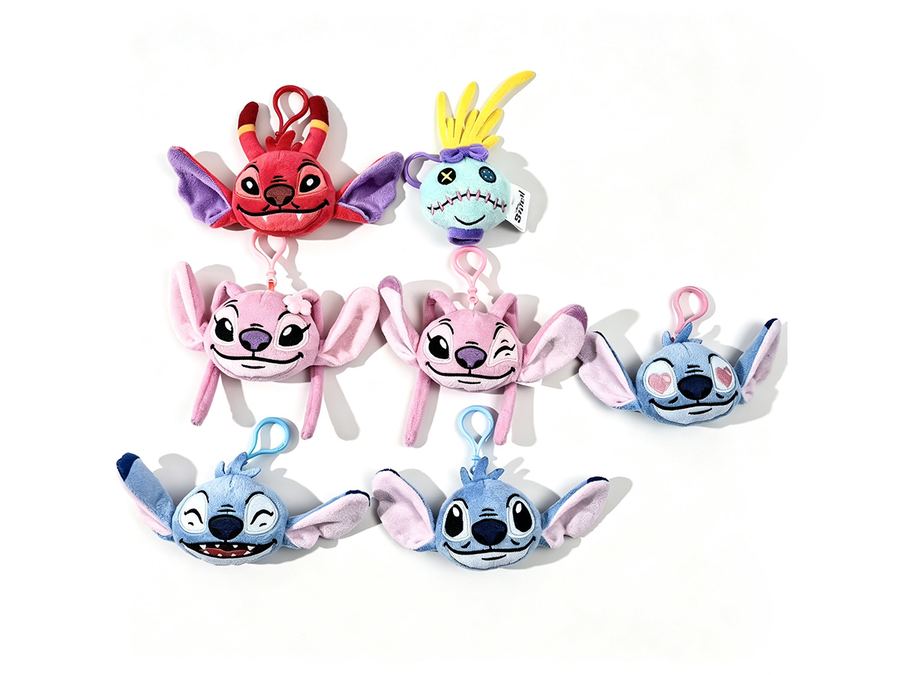
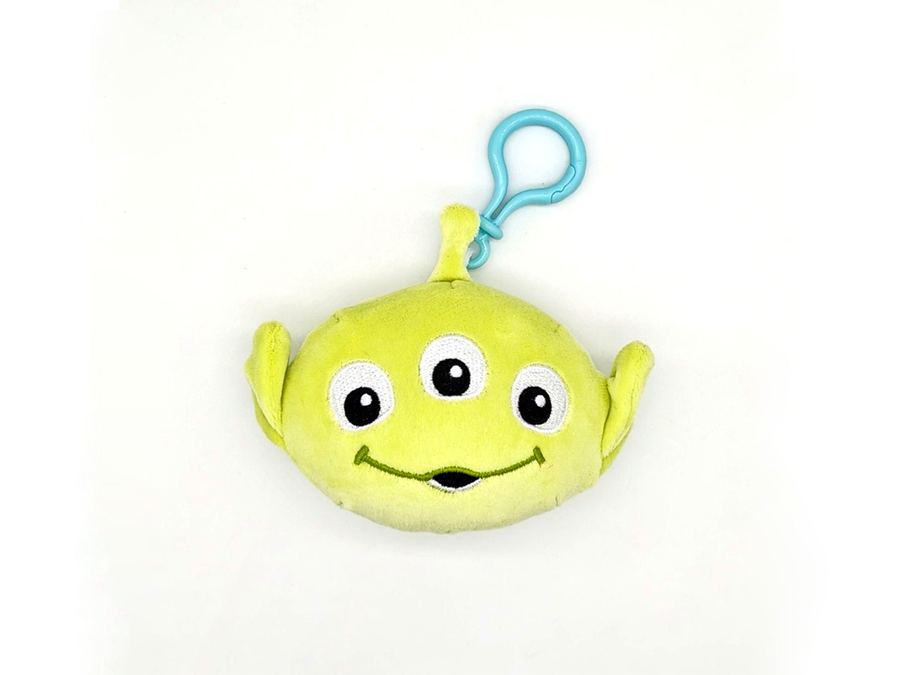
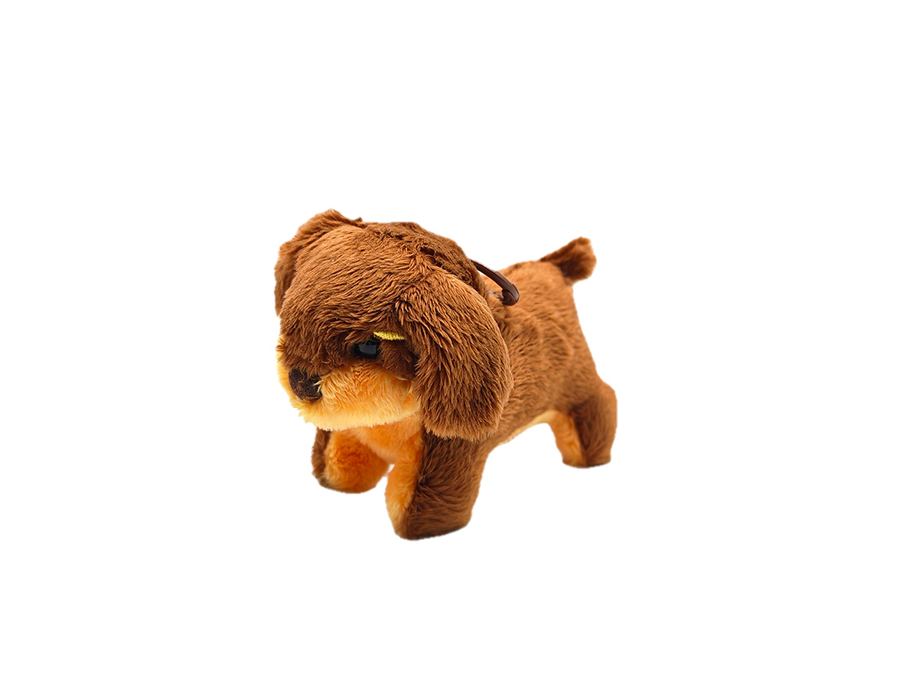
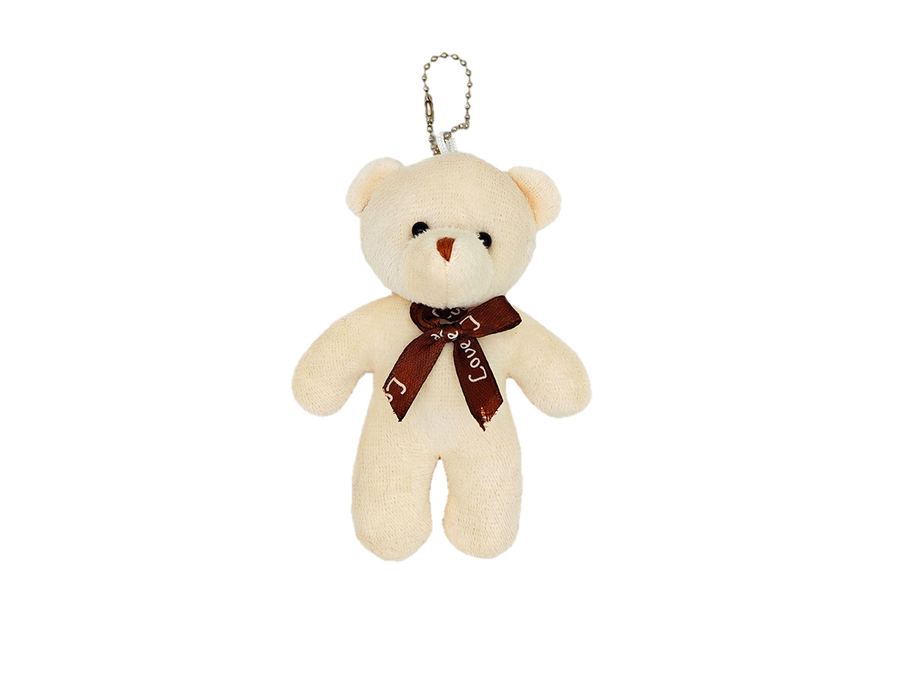
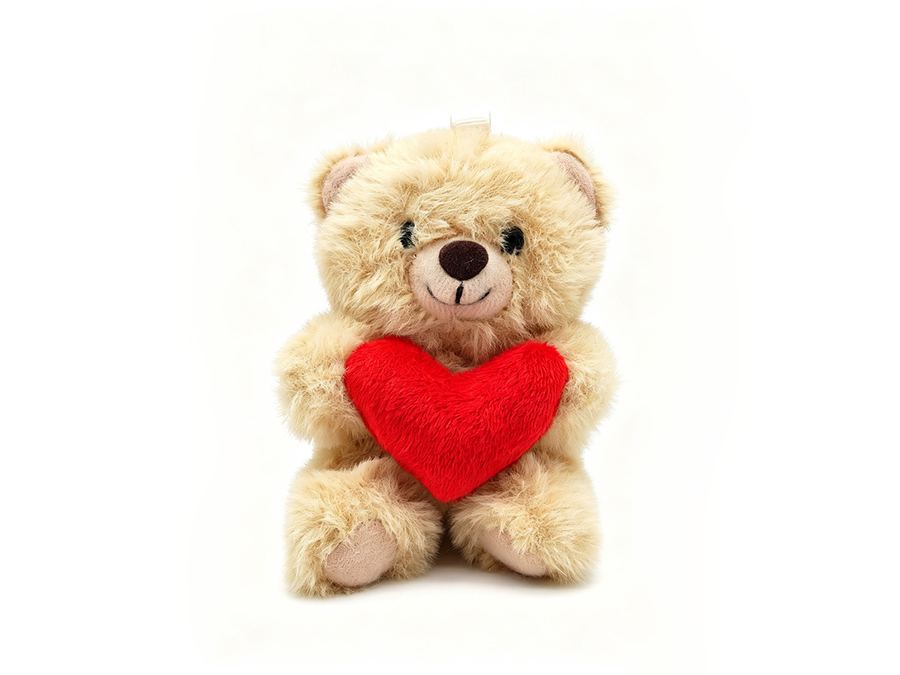
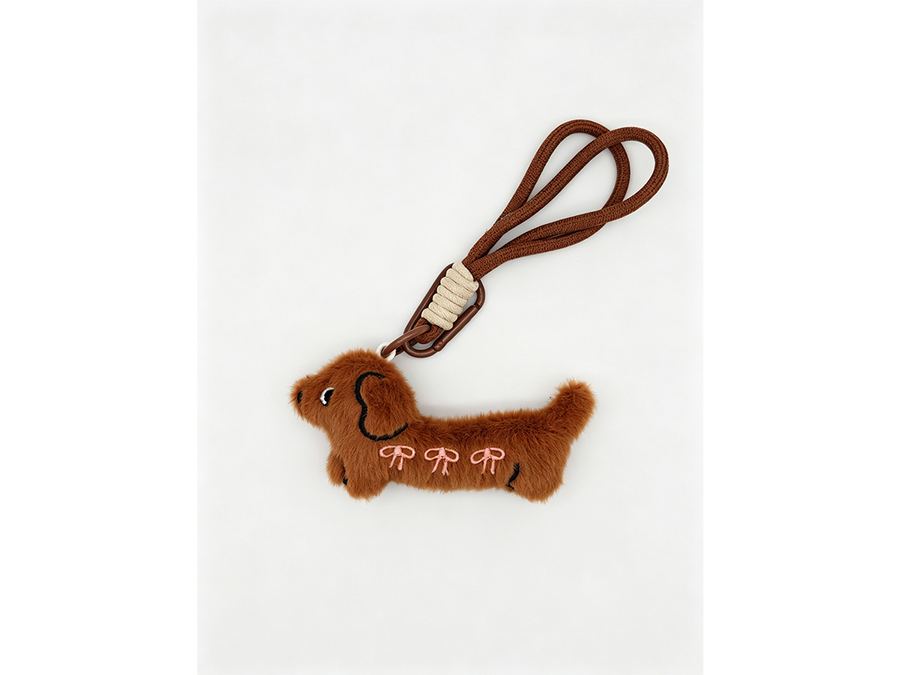
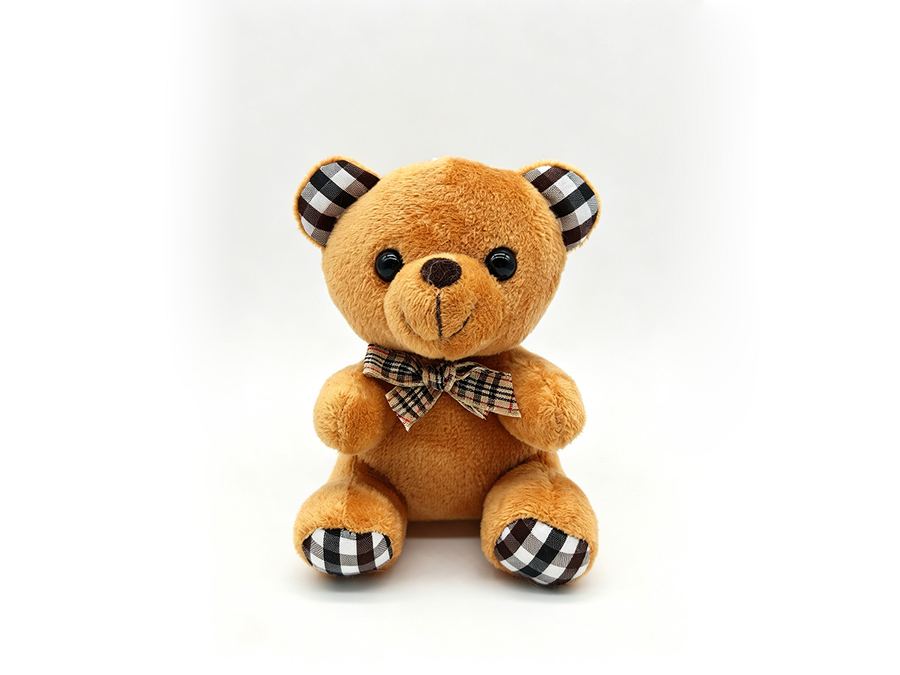
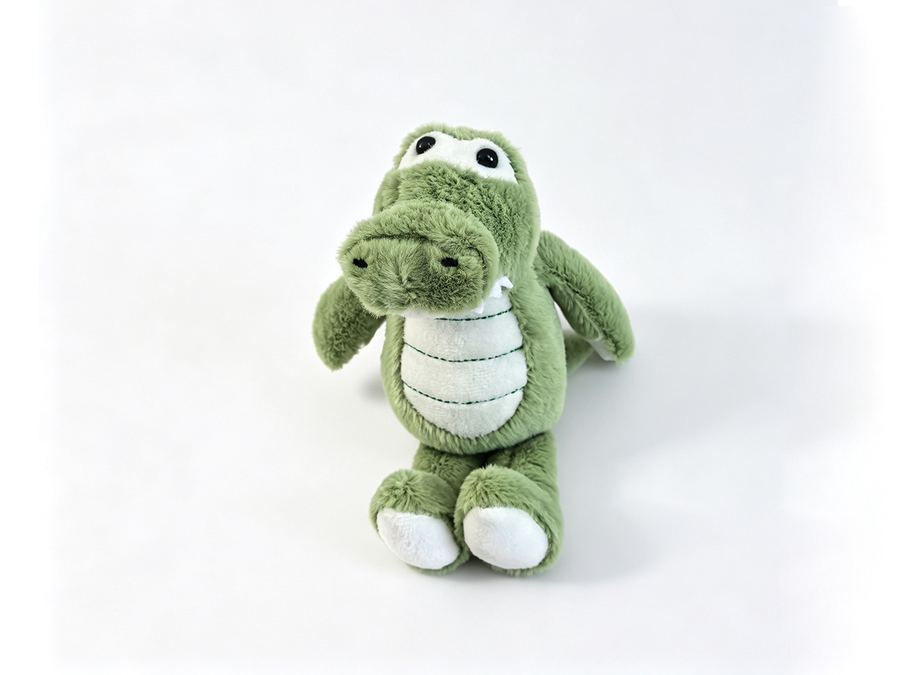
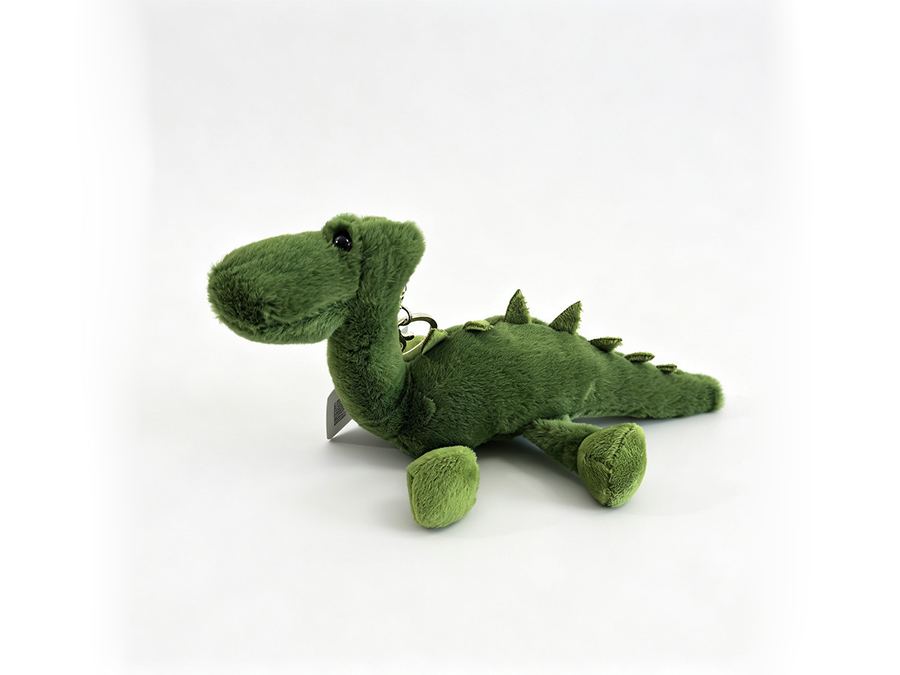
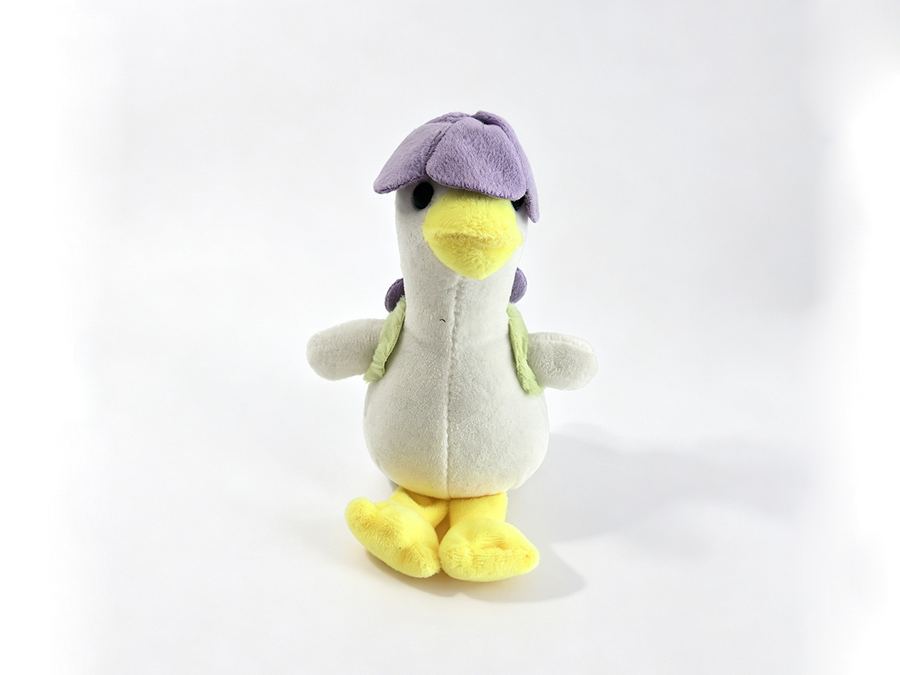
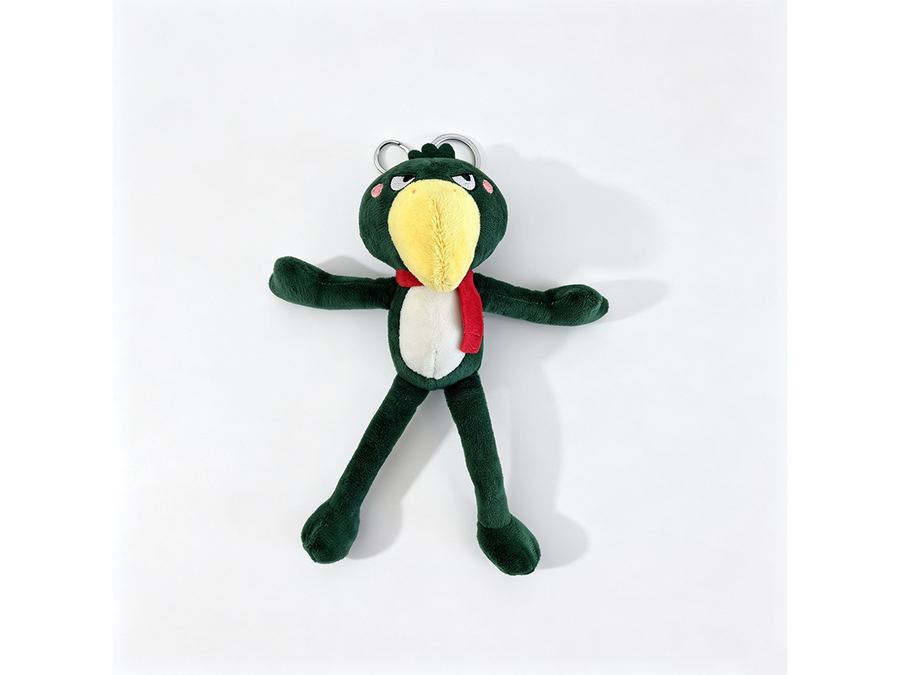
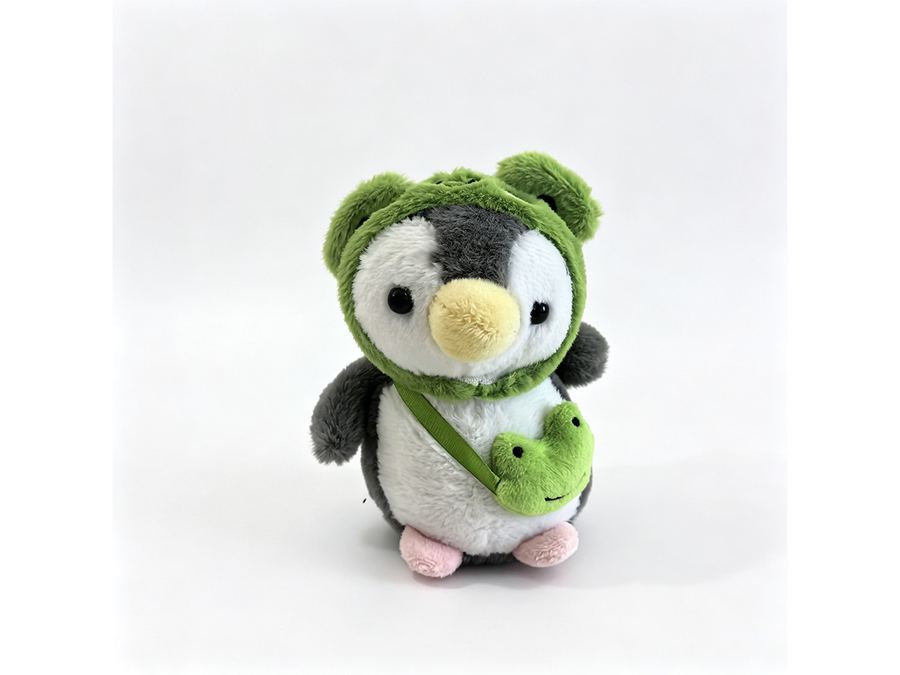
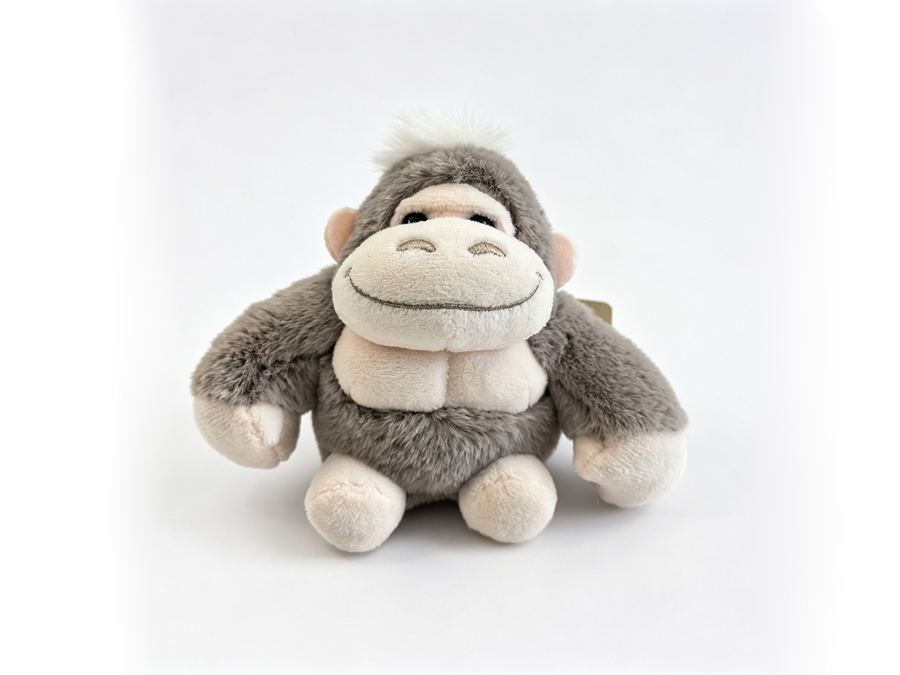
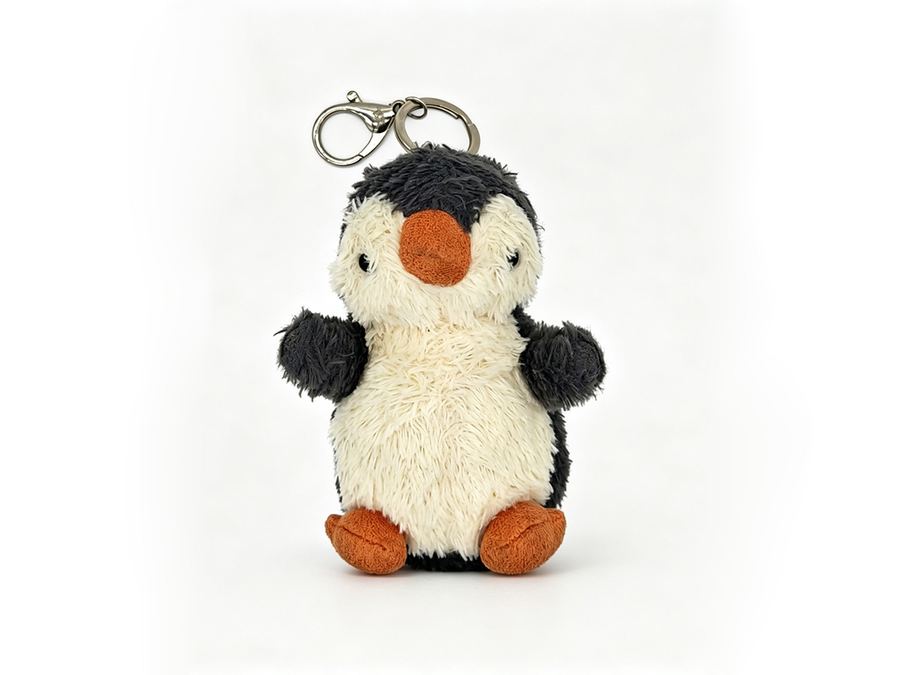
Toys are our founding category. Since 2008 MASA has supported international retailers, toy brands and supermarkets with toy sourcing and manufacturing across China, covering plastic toys, plush and stuffed toys, wooden toys, educational toys, remote control toys, die-cast vehicles and dolls.
Every toy factory in our supplier network is audited for ICTI, GSV, BSCI and COC compliance, and we coordinate EN71 and ASTM testing, sample development, golden samples and pre-shipment inspection. From licensed character programs to promotional toy ranges, our Shanghai and Yiwu teams manage development and production follow-up so your toy lines land safely and on time.
Materials and Product Families
Toy sourcing splits into four material families with different cost structures. Injection-moulded plastics such as ABS and PP carry mould cost and high minimums, which suits character ranges and building sets. Plush and stuffed toys are sewing-led, so minimums are lower and development is faster, which makes them the usual entry point for a new programme.
Wooden toys are quoted by timber and finish, with pine, beech and MDF used for different price points and pine requiring careful moisture control to avoid cracking. Remote-control and die-cast items add electronics or zinc alloy to the same development process, and both need battery and packaging decisions taken early because they change certification and freight.
Safety Testing for Toy Markets
Toy compliance is not one test, it is a matrix. European programmes work to EN 71 parts 1 to 3 covering mechanical and physical properties, flammability and migration of certain elements. United States programmes work to ASTM F963 together with CPSIA requirements on lead content and phthalates. Both depend on an age grading decision, which the buyer owns and which we confirm before sampling.
Small-parts, sharp-edge, cord-length and warning-label requirements all follow from that age grading, so a late change to the recommended age can invalidate work already done. We fix the age grade and destination market first, then build the sample and the test plan around them.
Factory Audits and Social Compliance
Toy buyers are usually audited buyers. Most programmes we support require factory social compliance and quality systems evidence such as BSCI, Sedex, ICTI or a retailer's own code of conduct, plus a security audit for some United States accounts.
Audit status is verified at the issuing body with the audit reference number rather than accepted as a scanned certificate, because certificates are the easiest document in the pack to falsify. This check happens before a factory is quoted into a programme, not after.
Licensed, OEM and Promotional Programmes
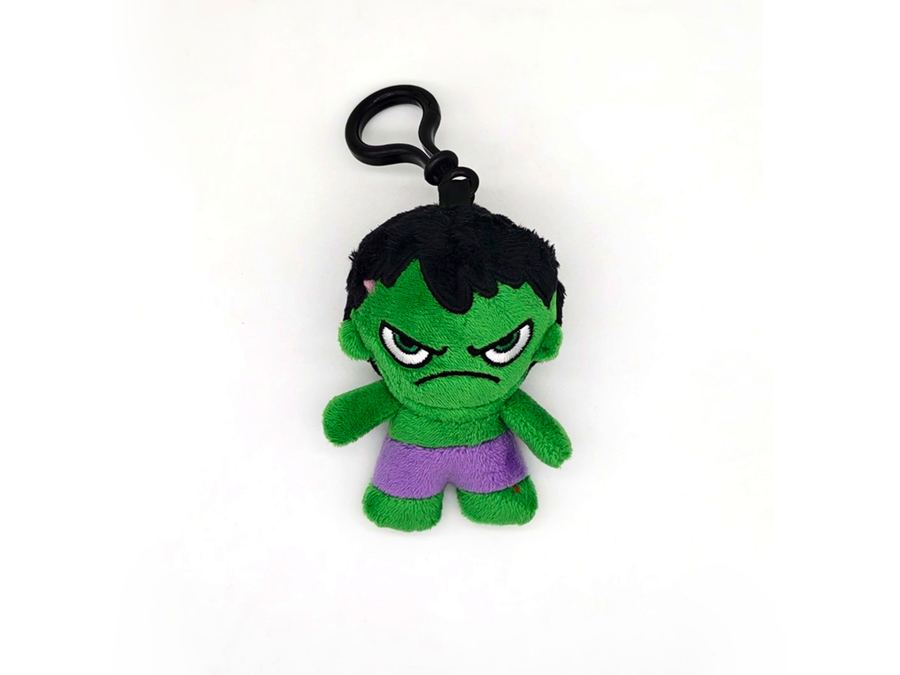
For licensed programmes the constraint is not manufacturing capability but documentation. The buyer must hold the licence and supply the artwork and style guide; we then confirm the factory is authorised for that brand if the licensor requires registration, and keep artwork versions controlled so an unapproved colour never reaches production.
Promotional toy programmes invert the priorities: the deadline is fixed and the unit cost is fixed, so the specification is trimmed to hit both. We quote the price point first, then present two or three specification options inside it, which is faster than quoting a specification and hoping the price lands.
Toy MOQs and the Sampling Sequence
Minimum order quantity follows the manufacturing method. Injection-moulded toys are set by mould size and machine time, plush toys by fabric minimum and sewing line capacity, and wooden toys by board and paint batch. Confirming the MOQ per SKU at quotation stage avoids the common situation where a buyer approves a price that only applies at four times the intended volume.
Sampling usually runs as a counter-sample, a revised sample and a pre-production sample, with the pre-production sample becoming the retained reference. Golden samples are sealed and signed by both sides where the buyer's quality team requires it.
Packing, Cartons and Freight
Packing decisions move money. A display box raises unit cost and reduces carton count, which is the right answer for retail and the wrong answer for e-commerce, where a plain mailer carton with drop-test protection usually wins. We quote both structures so the channel, not habit, decides.
Carton dimensions are quoted with gross weight and units per carton, and shipping marks and barcode placement are confirmed before production. For mixed toy ranges, packing is planned by SKU so the container and the distribution centre both see the load they expect.
Toy Sourcing Questions
Which tests do toys need for Europe and the United States?
European programmes generally require EN 71 parts 1 to 3, and United States programmes ASTM F963 plus CPSIA requirements on lead and phthalates. The exact list depends on age grading and the retail channel, and it is confirmed before sampling.
Can you handle licensed character toys?
Yes, provided the buyer holds the licence. We work from the buyer's artwork and style guide, confirm any licensor factory registration requirement, and keep artwork versions controlled so an unapproved colour does not reach production.
What drives the MOQ for a plastic toy?
Mould size and machine time are the main drivers, which is why injection-moulded toys carry higher minimums than plush. Plush MOQs are set by fabric minimums and sewing capacity, and wooden toy MOQs by board and paint batches.
Do you arrange factory audits?
Factory social compliance and quality system status is verified at the issuing body using the audit reference number before a factory is quoted into a programme. Where a retailer requires its own audit, it is arranged through the factory and tracked as a programme milestone.