
Hometextile Sourcing Service
MASA coordinates home textile sourcing from China for bedding, blankets, cushions, nursery textiles, kitchen textiles and seasonal decorative fabrics. We work with mills and sewing facilities in Zhejiang, Jiangsu and Shandong that serve European and American retail programs every day.
Our team supports fabric selection, color matching, sample development, OEKO-TEX and REACH compliance, packaging design and consolidated shipping. Whether you are building an own-label bedding range or need promotional blanket programs for seasonal campaigns, we match your quality level and target price with the right factory.
Bedding and Sheeting Programmes
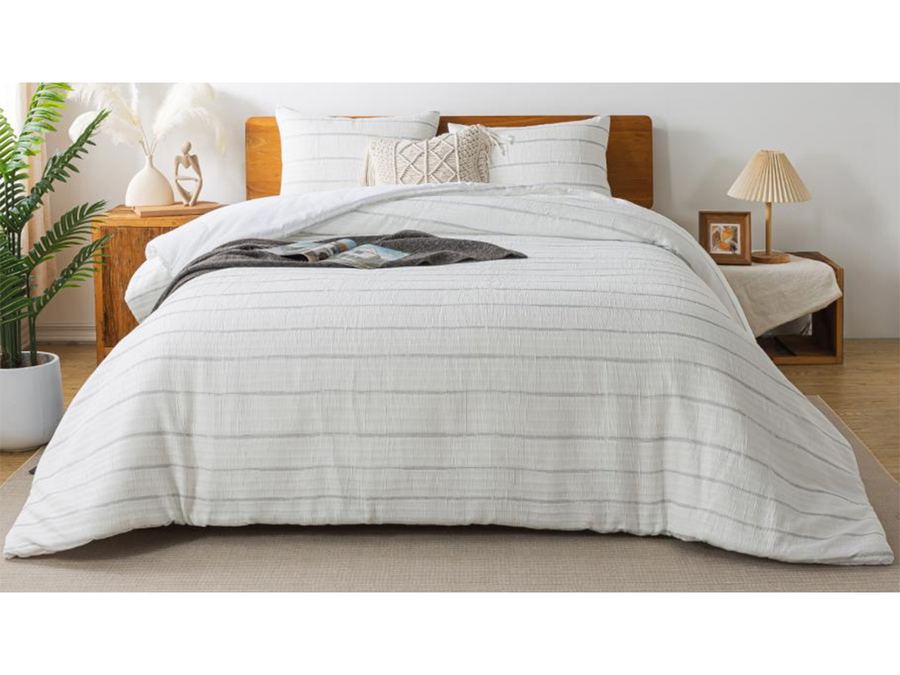
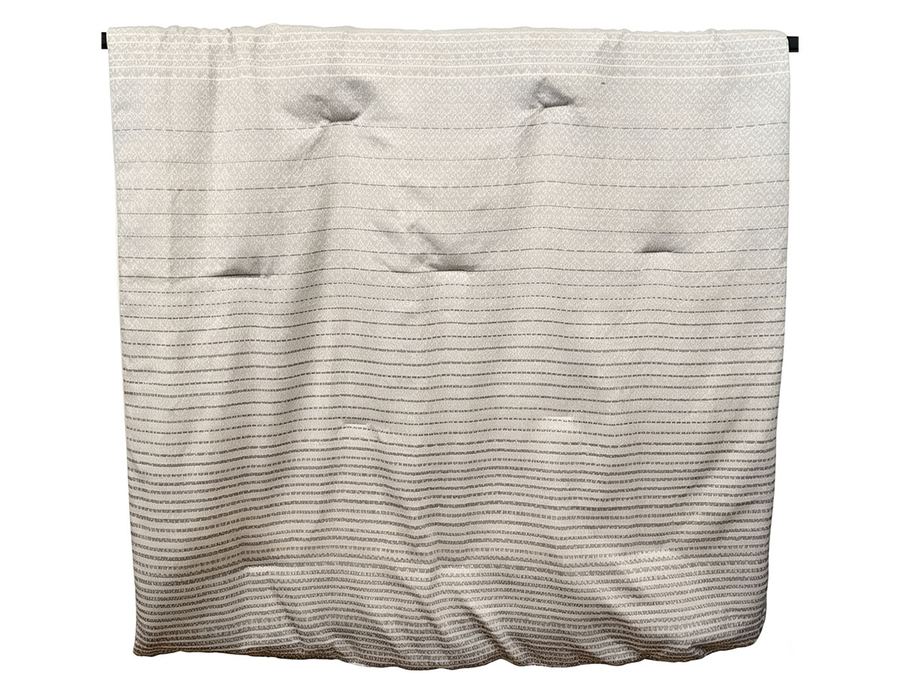
Bedding is sold on feel and bought on specification. Constructions are quoted per fabric route: microfibre for price-led volume programmes, cotton percale or sateen for retail bedding, and blends where the buyer needs cotton appearance at a lower cost. Thread count claims are only as good as the yarn used, so we confirm yarn count and construction rather than accepting a headline number.
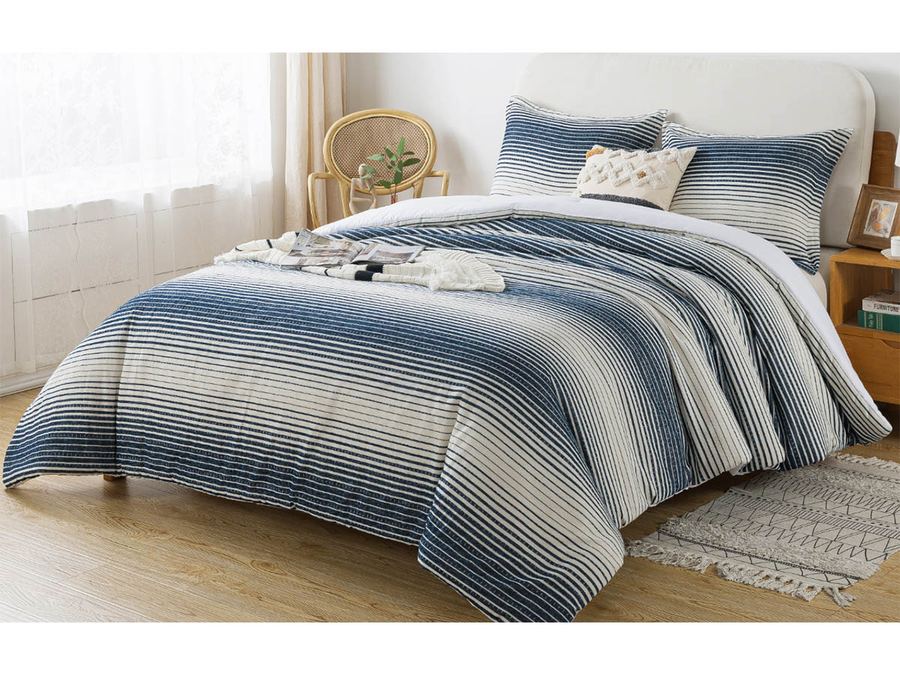
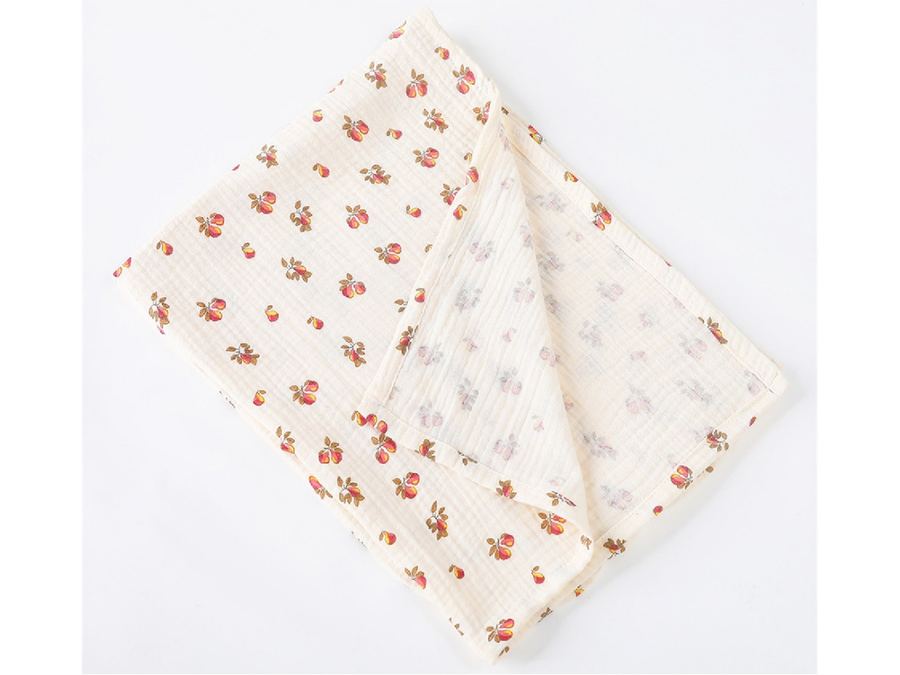
Print and dye route is the second decision. Pigment print is cheapest and fades first; reactive print costs more and holds colour through washing; yarn-dyed stripes and checks hold colour best and cost most. Size systems differ by market, so sheet, duvet and pillowcase dimensions are confirmed against the buyer's own size chart rather than assumed from a Chinese or European standard.
Blankets, Throws and Cushions
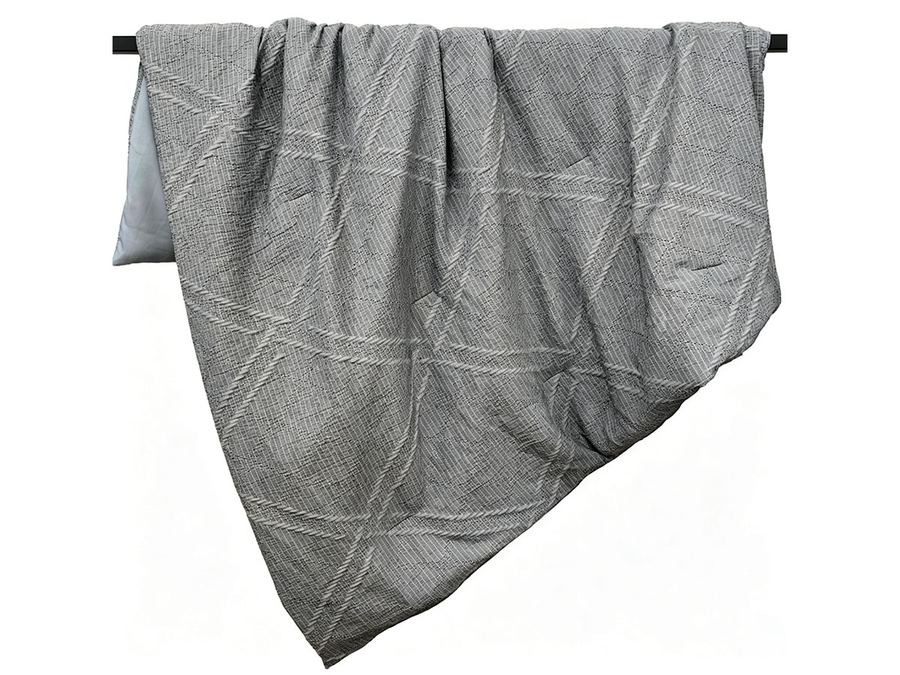
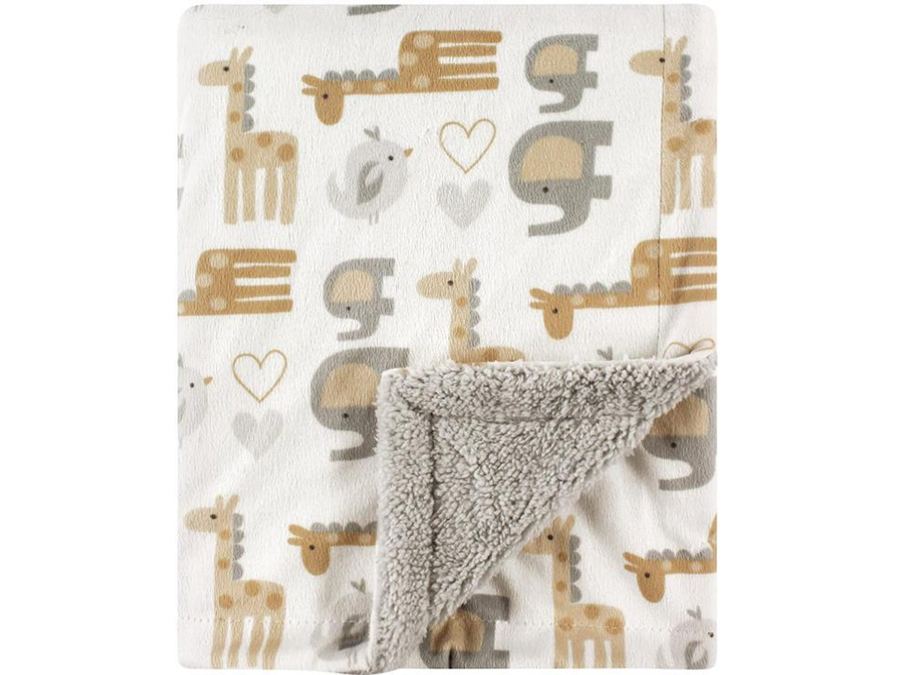
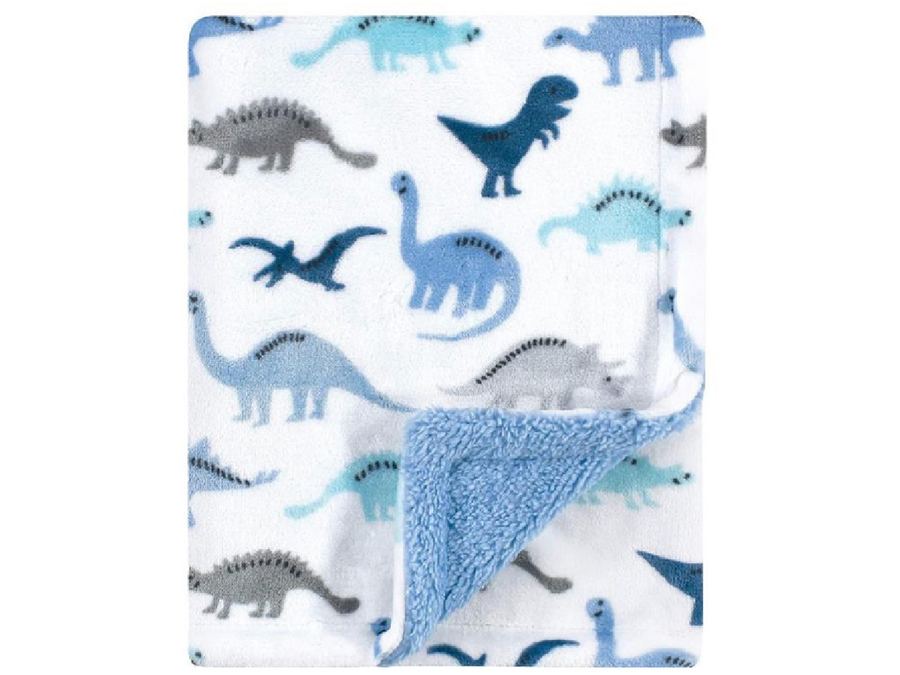
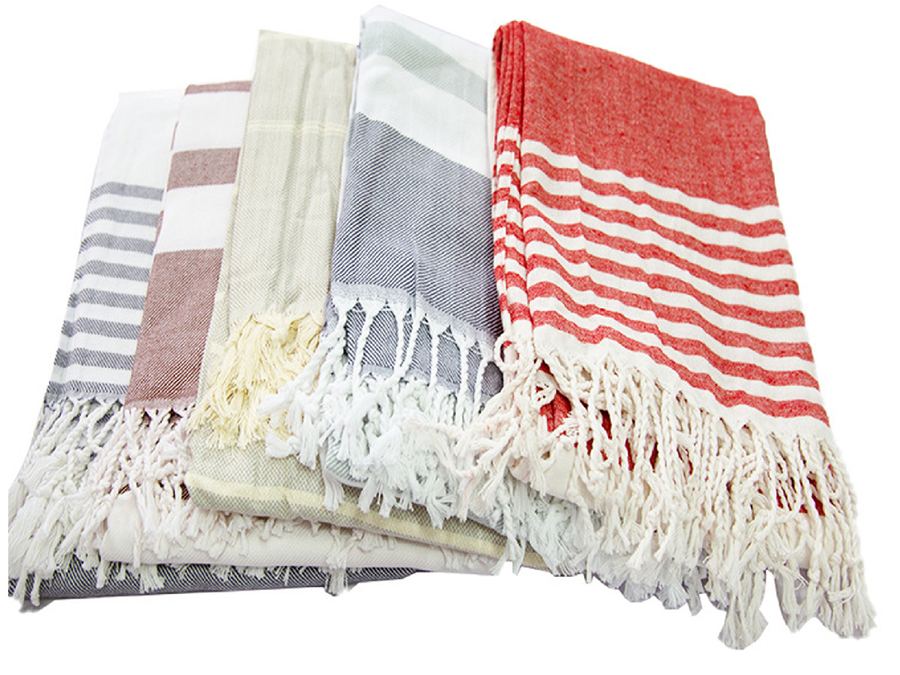
Blankets and throws are quoted by GSM, fibre and finishing. Knitted and woven constructions at different weights cover the same shelf space but behave differently after five washes, so shrinkage and pilling are checked on a washed sample rather than on a fresh one. Fringed and tasselled finishes are labour-intensive, and the finish method changes both cost and how the product survives transit.
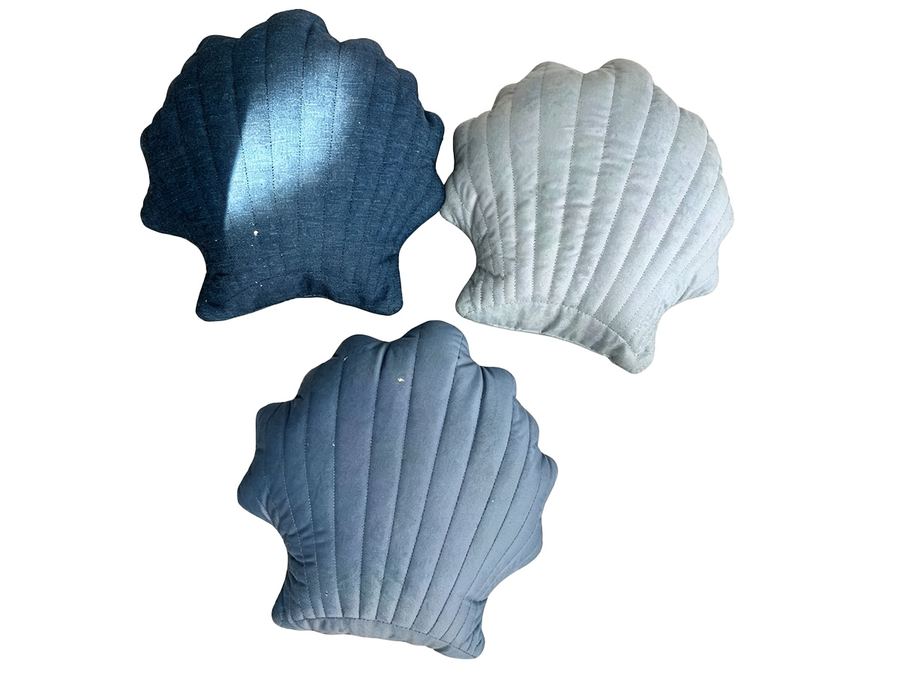
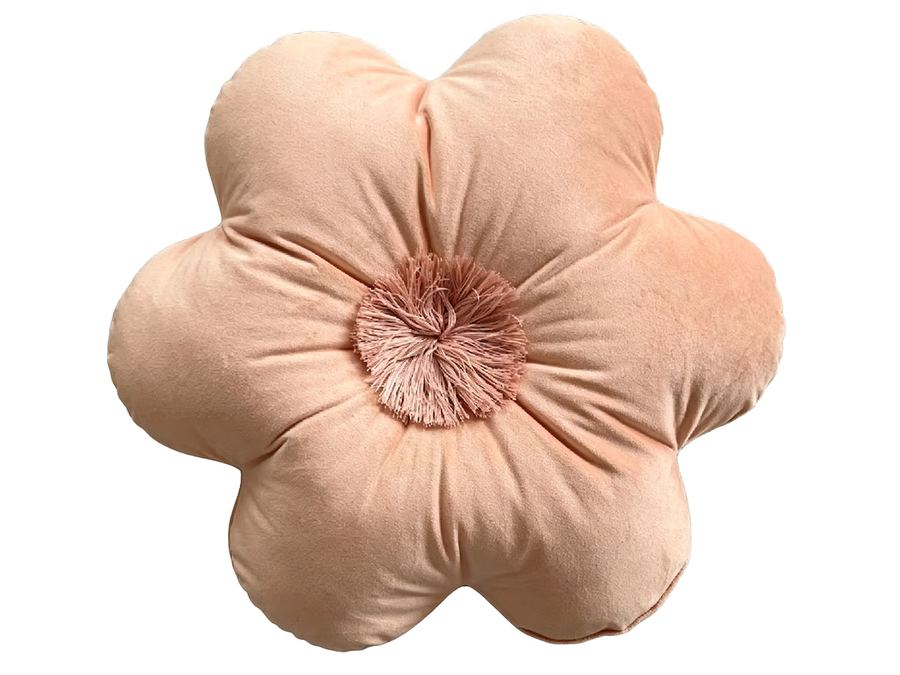
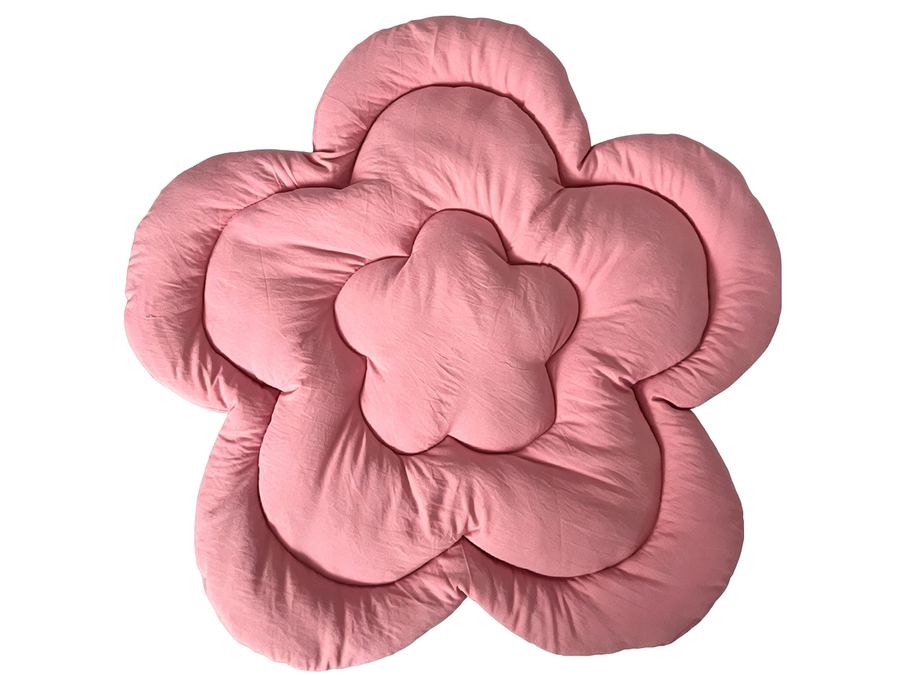
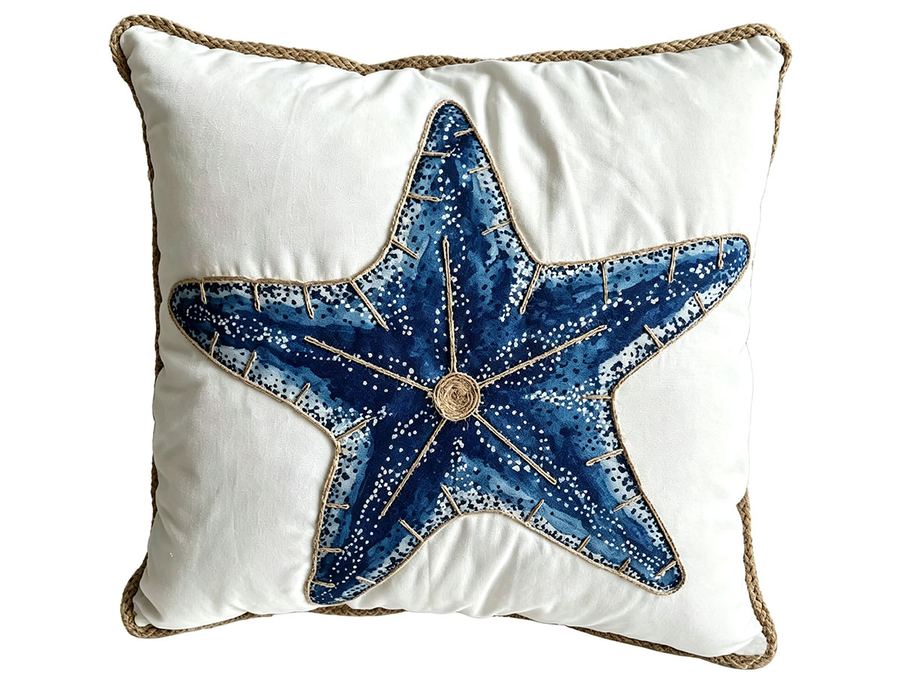
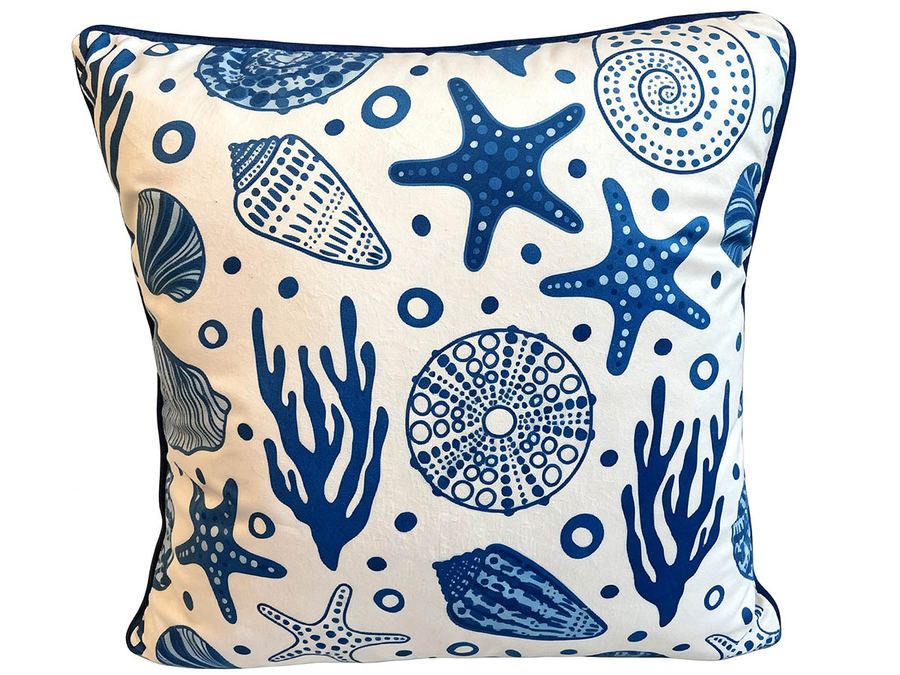
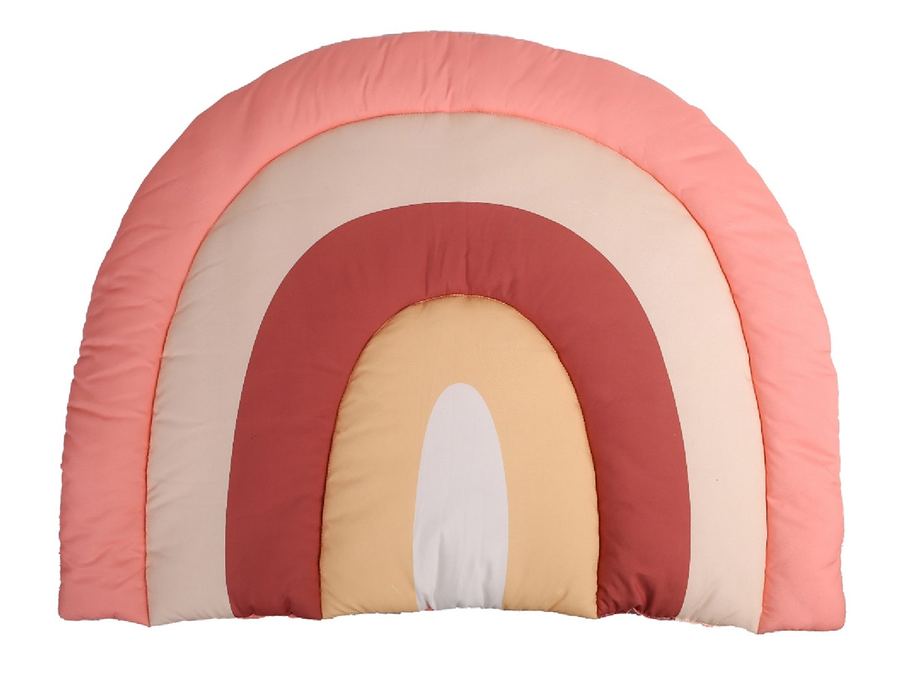
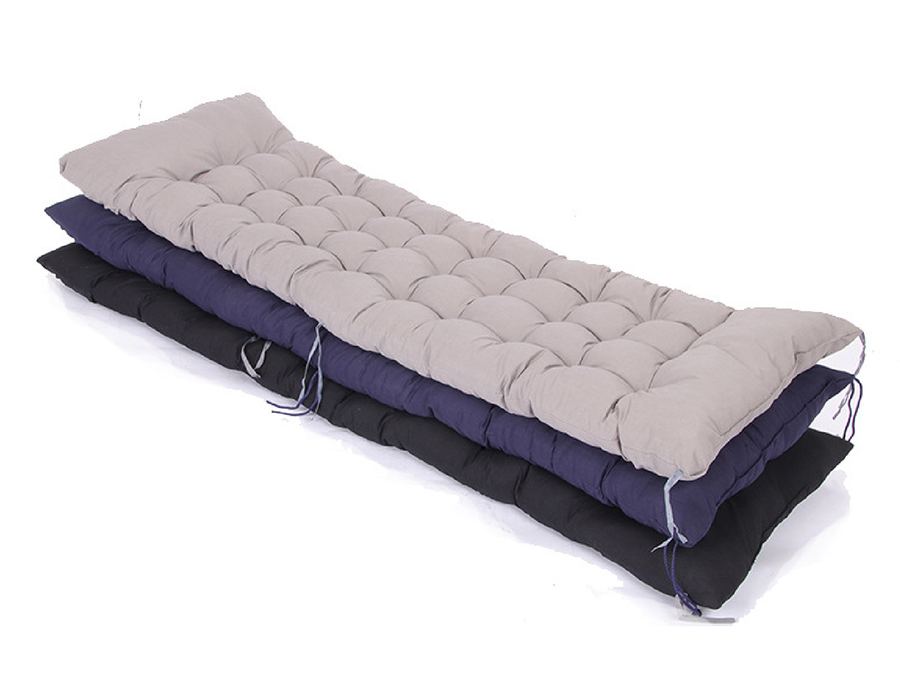
Cushions and filled products add filling to the specification: PP cotton, polyester fibre ball or memory foam, with insert weight quoted separately from the cover. Where a buyer supplies their own insert specification, we hold that as a fixed input rather than allowing the factory to substitute a cheaper fill.
Nursery and Baby Textiles
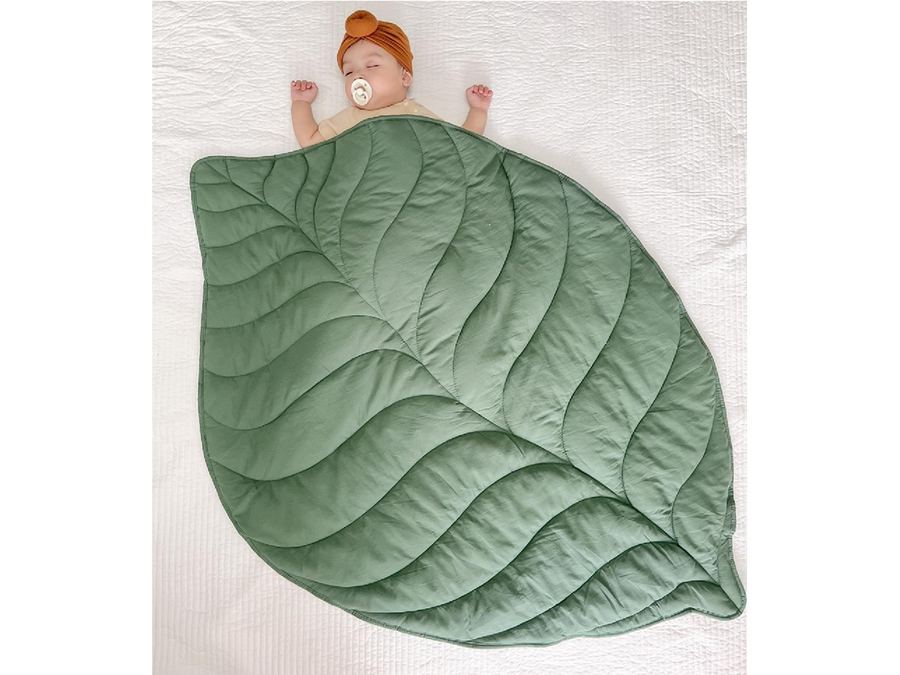
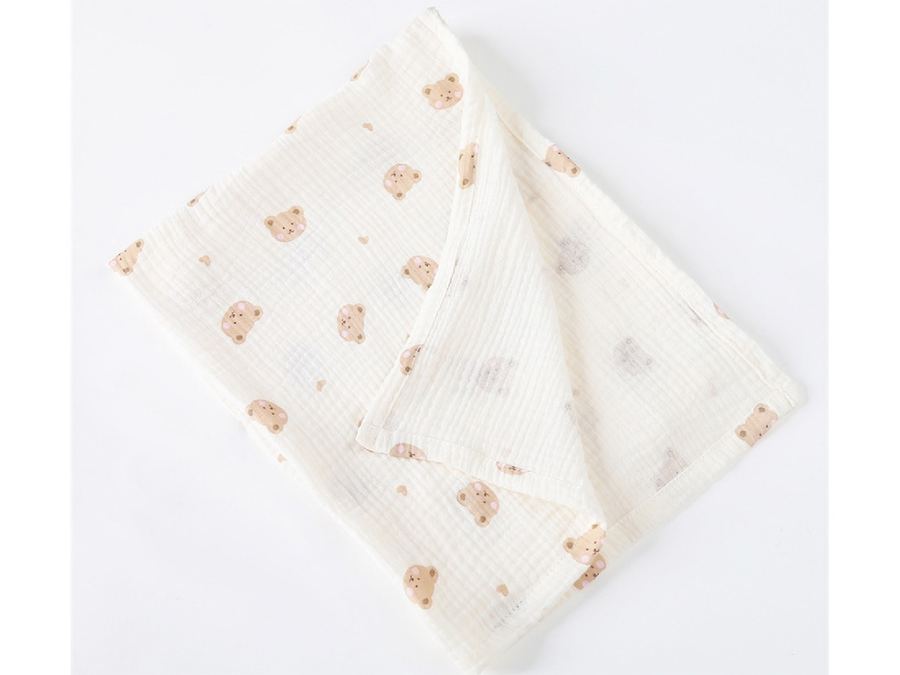
Nursery textiles carry requirements that adult textiles do not. Where a product is intended for infant sleep it may fall under specific national rules, and in the United States infant bedding and sleep products are subject to additional requirements on flammability and labelling. The intended use and the destination market are confirmed before development, because they determine the test plan.
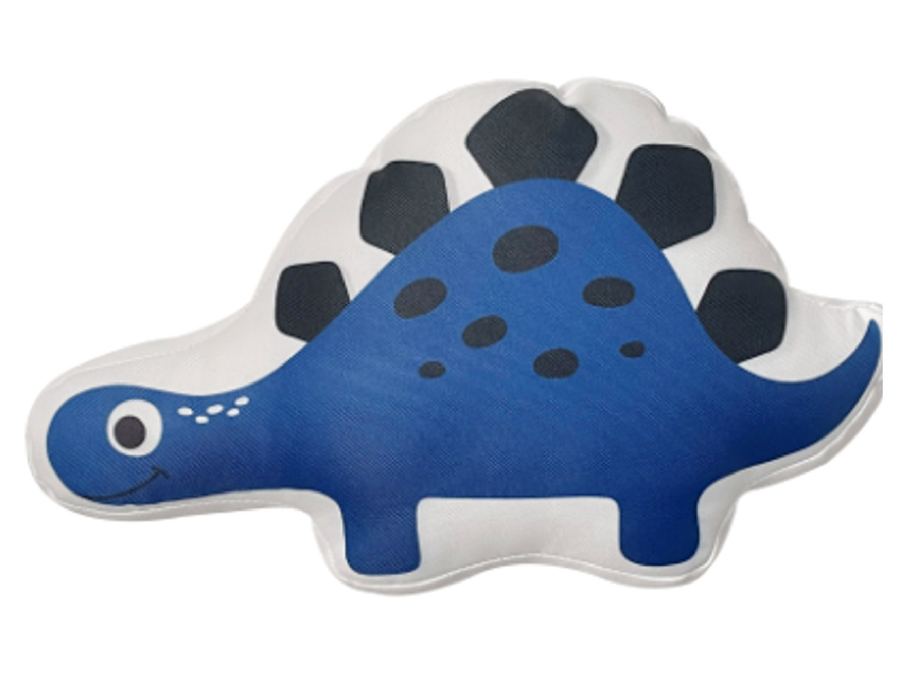
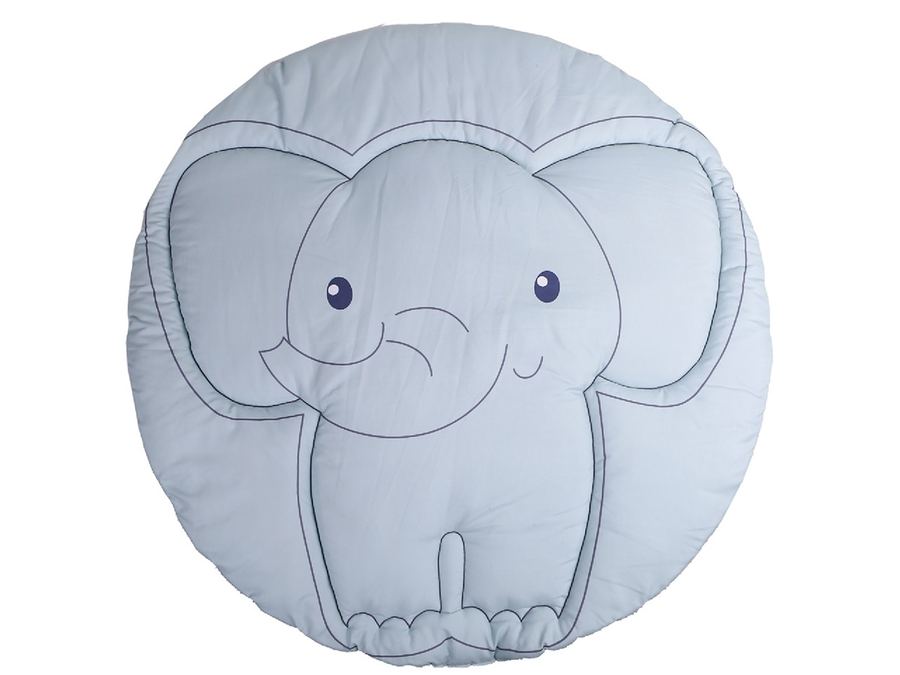
Practical construction also matters more here: no loose threads or long ties, secure appliqué, and soft edges that survive repeated washing. For OEKO-TEX certified ranges the certificate scope and product class are checked against the actual product, since a certificate covering one fabric does not automatically cover a finished item made from it.
Fibre Content, Labelling and Care Claims
Fibre content is a legal statement in most destination markets, and it must match the tested composition rather than the intended composition. Where a blended fabric is used, we confirm the tolerance applied by the buyer's market and test the finished fabric accordingly.
Care labels, country of origin, RN or equivalent registration where applicable, and any performance claim such as anti-pilling or moisture-wicking follow the same rule: if the claim is printed, there should be a test or a documented basis behind it. Flame-retardant treatments also carry labelling obligations in some markets, so they are decided at specification stage rather than added by a supplier.
Colour Approval, Lab Dips and Minimums
Home textile MOQs are usually set per colour and per size rather than per article. A bedding programme in three colours and five sizes therefore carries a matrix of minimums, and quoting it as one number is a common source of later disagreement. We confirm the minimum per colourway and size at quotation.
Colour approval runs on lab dips for dyed fabric and on strike-offs for prints, with a light box used to confirm the colour under the buyer's specified illuminant. Approved lab dips and strike-offs are retained, and every production lot is checked against them, because colour drift between dye lots is normal and unacceptable in retail.
Packing and Container Load
Textiles are volume products, so packing directly controls freight. Compression and vacuum packing reduce container space but can crease and flatten pile, which is why the choice depends on the channel: compression suits programmes where the goods will be steamed or pressed, while retail-ready packing protects presentation at higher freight cost.
Carton quantity, bale weight, shipping marks and barcode placement are confirmed before production. Where several textile articles are shipped together, packing is planned so that the container is loaded by article and the receiving warehouse can book in without repacking.
Hometextile Sourcing Questions
Can you match a sample fabric the buyer already sells?
Yes. The existing product is analysed for construction, GSM, fibre composition and finish, then matched with a lab dip or strike-off for approval. Where an exact match is not economic, we present the closest options with the cost difference stated.
How is colour approved for bedding and textiles?
Dyed fabric is approved on lab dips and printed fabric on strike-offs, checked under the buyer's specified light source. Approved references are retained and every production lot is compared against them, since natural colour drift between dye lots is normal.
What certifications apply to home textiles?
Common requirements include OEKO-TEX for restricted substances, REACH for the European market, and specific flammability or labelling rules for infant and sleep products. The applicable set depends on the product and destination and is confirmed before development.
Is vacuum packing suitable for all textiles?
It saves freight but can flatten pile and crease printed surfaces. It suits programmes where goods will be steamed or pressed before sale. Retail-ready packing protects presentation and is quoted alongside so the buyer can compare the real landed cost.