
Paper Items Sourcing Service
From stationery and greeting cards to paper gift bags and custom packaging, MASA sources paper-based products for retailers, book chains and lifestyle brands. Our suppliers specialize in notebooks, sticky notes, paper crafts, party paper goods and FSC-certified packaging solutions.
We manage artwork, printing proofing, material options and certification such as FSC, and consolidate paper items with your other sourced products to reduce shipping cost. This makes us a practical single-point partner for complete retail and promotional programs that mix hardlines with paper goods.
Stationery and Notebooks
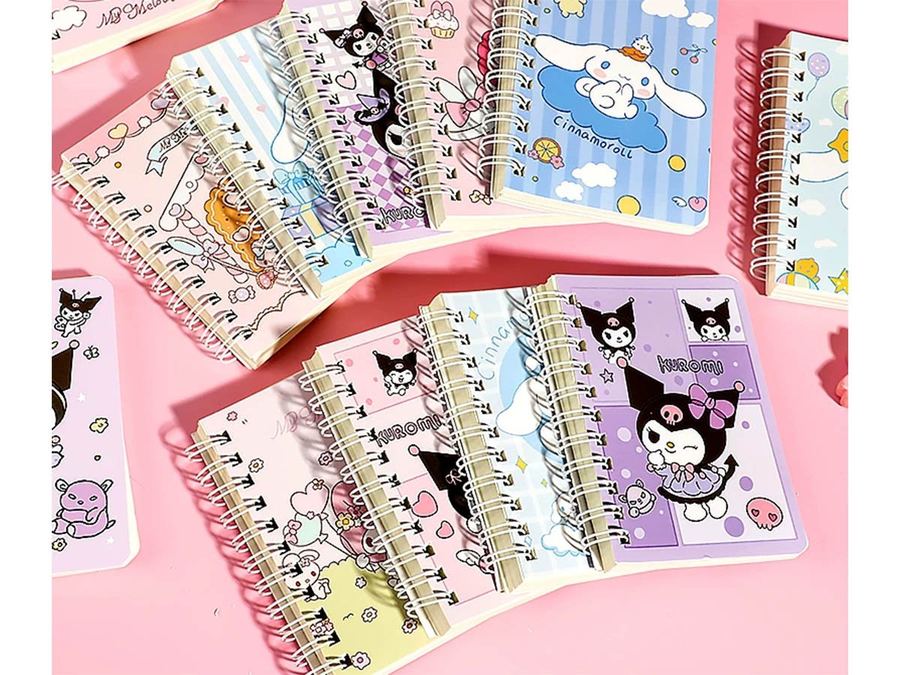
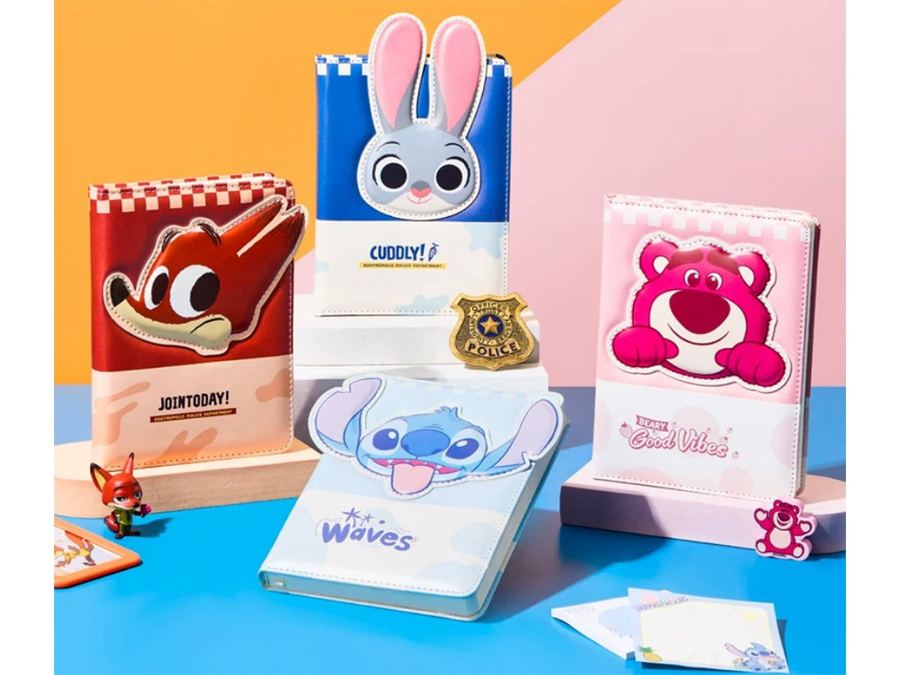
Notebooks are quoted by paper, binding and cover finish, and those three decisions set the price more than page count does. Paper is specified by GSM and by opacity, since a light sheet that shows the reverse of the previous page reads as cheap regardless of cover quality. Binding is spiral, saddle-stitched, sewn or glued, and each carries a different minimum and a different page-range limit.
Cover finishing moves margin in this category. Foil blocking, embossing, spot UV and lamination are all quotable, and a programme can be positioned at three price points from the same interior simply by changing cover treatment. Ruling, page dividers, elastic closures and pen loops are confirmed on a physical sample because small details decide whether a notebook is bought again.
Gift Packaging, Bags and Wrapping
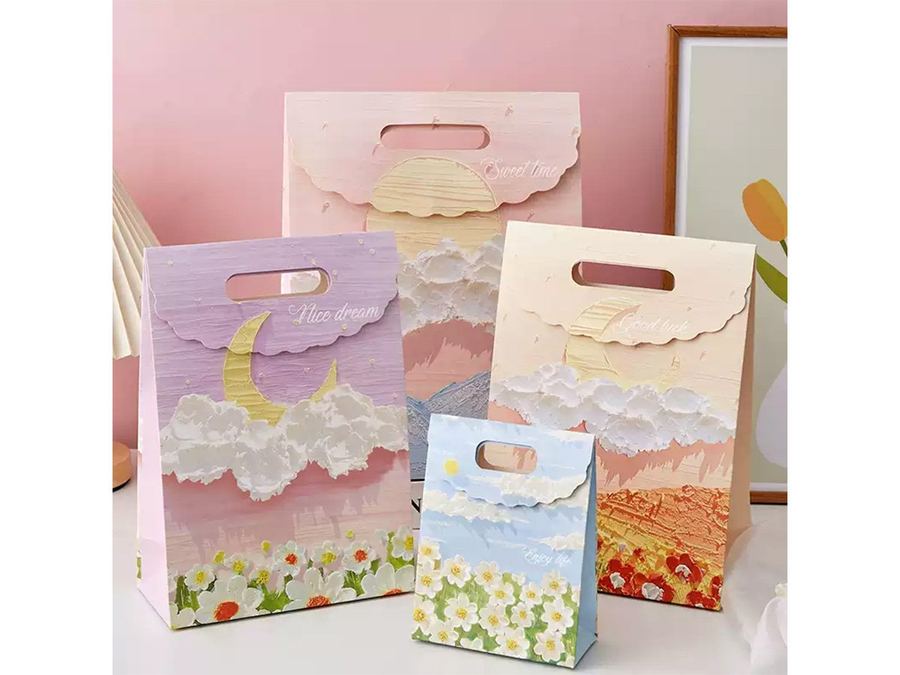
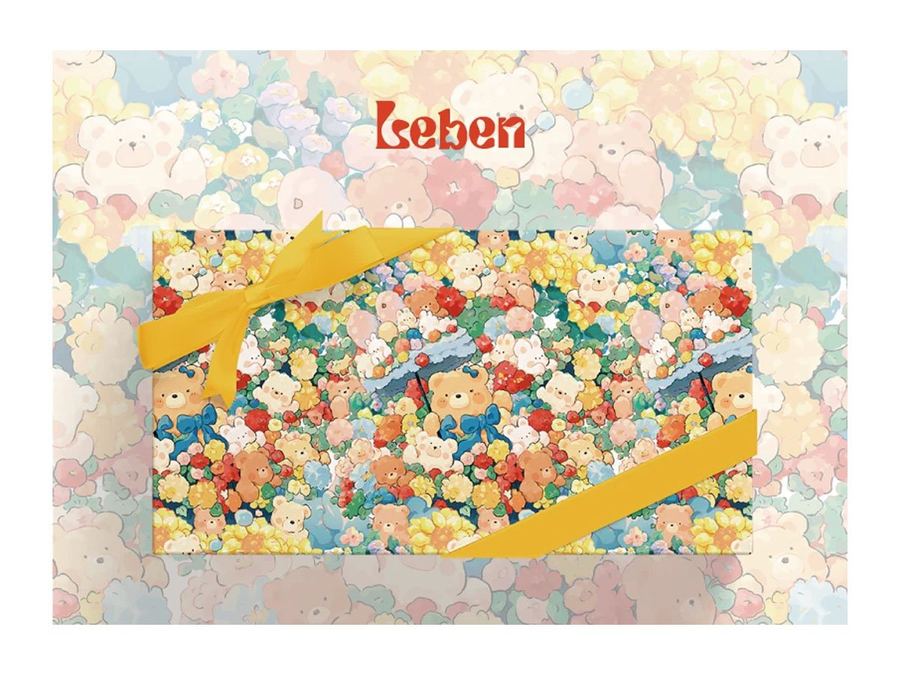
Gift bags and packaging are quoted by paper stock, GSM, handle type and print coverage. Kraft is cheapest and prints with a natural character, art paper takes dense colour and photographic print, and laminated stock resists rubbing where the packaging is handled on a shop floor. Handles are twisted paper, ribbon, rope or die-cut, and handle attachment is the joint that fails first in use.
Where packaging comes into contact with food, a different requirement set applies and the material must be suitable for that contact, with migration testing as applicable. This is confirmed at specification stage rather than after printing, because a food-contact claim cannot be retrofitted onto an unsuitable substrate.
Stickers, Cards and Party Goods
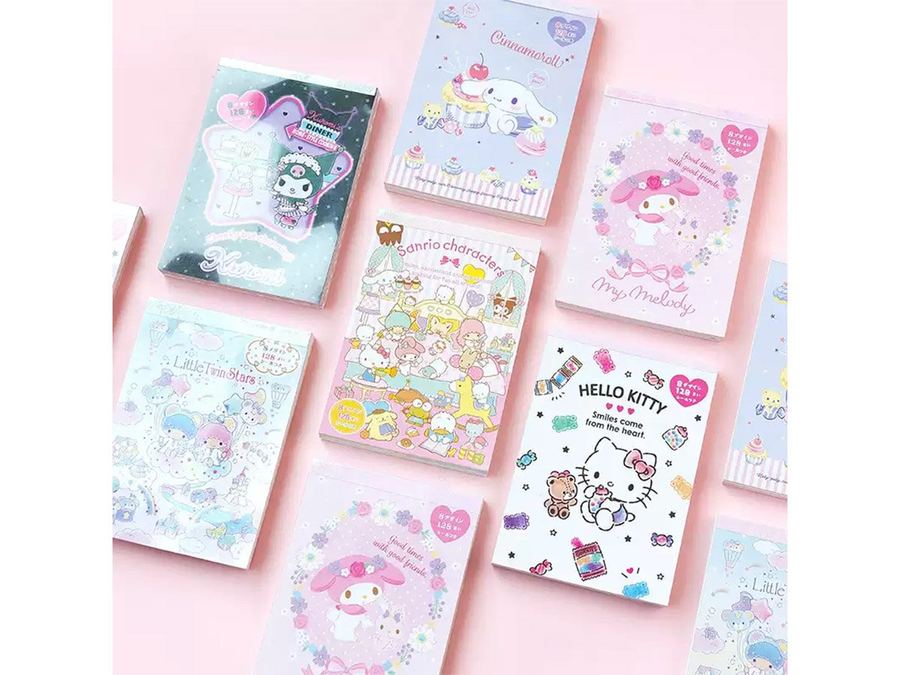
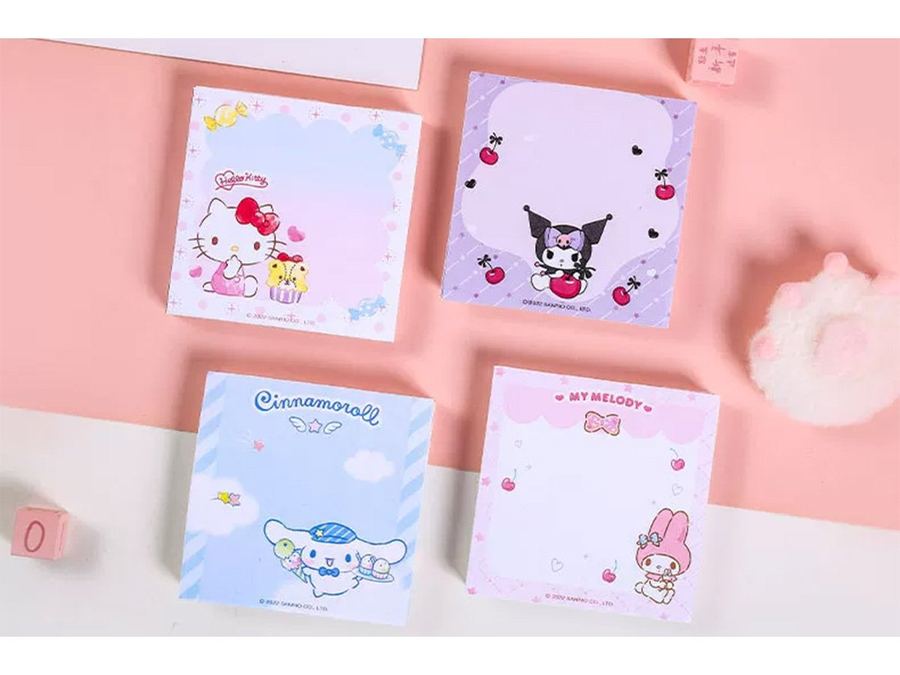
Stickers and decorative paper goods are quoted by material, adhesive and die-cutting. Permanent, removable and repositionable adhesives are specified per application, and the release liner matters as much as the face stock when a product is applied by machine rather than by hand. Cards are quoted by board weight, coating and finish, with foil and emboss treated as separate decoration steps.
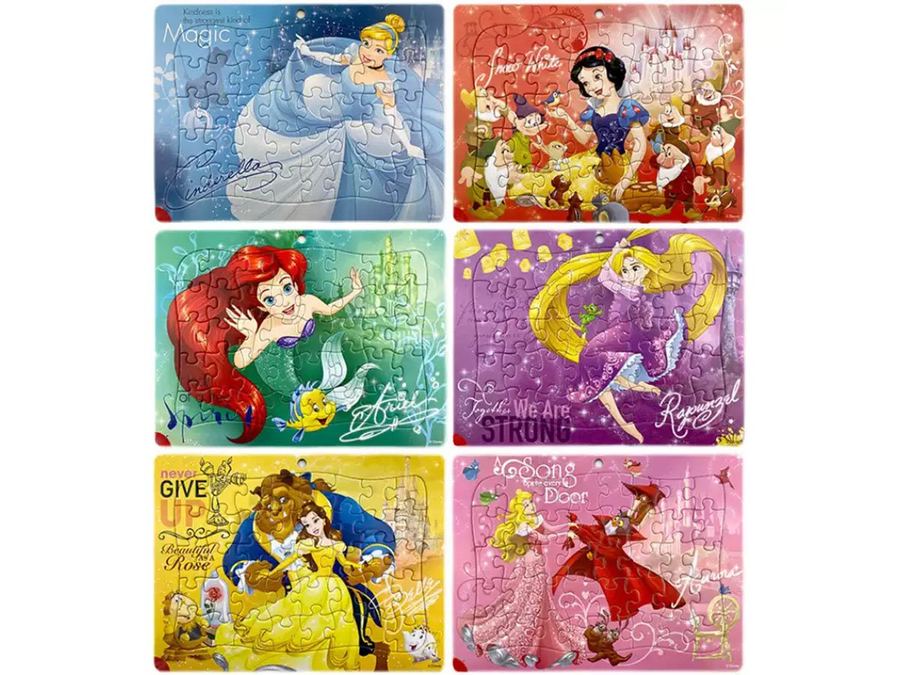
Where a paper item is intended for children, it is assessed against toy safety requirements rather than stationery requirements, which changes the mechanical and chemical test plan. The intended user is therefore confirmed before artwork is finalised.
Printing, Artwork and Colour Control
Printing route is chosen against quantity and colour depth. Offset printing carries a setup cost per plate and becomes economic in volume; digital printing suits short runs and versioned artwork but costs more per sheet. Spot colours are matched to a reference system, and colour on kraft stock is always proofed separately because the substrate darkens and dulls the ink.
Artwork is supplied with bleed, trim marks and separated layers, and a physical proof is approved before production. Where a licensed or brand-controlled colour is involved, the buyer's own reference is used and retained, and every production run is compared against that reference under the agreed light source.
Certification and Restricted Substances
Paper and packaging programmes are increasingly asked for chain-of-custody evidence. FSC certification applies to the fibre, and the certificate number and claim type must match the actual paper used, which means the mill and the printer both need to appear in the chain.
Chemical requirements cover inks, coatings and adhesives. Heavy metals in pigments, phthalates in plastic windows or coatings, and restricted substances under the destination market's rules all need to be declared. Where recycled fibre is used, the buyer's tolerance for visible fibre variation is agreed in advance, because recycled stock never matches virgin stock exactly.
Print Setup, Minimums and Sample Proofing
Paper goods MOQs are driven by printing setup rather than by material, and they are quoted per design. A programme of six notebook designs therefore carries six minimums unless the designs are combined onto shared plates or shared stock. Pre-production samples are produced from the actual stock and the actual printing route, because a digitally proofed sample does not represent offset output.
Paper items consolidate well with other categories. Cartons left partly empty by a hardline shipment can be filled with flat-packed paper goods, which reduces the per-unit freight cost of both. Where a buyer runs mixed programmes, packing is planned across categories rather than article by article.
Paper Items Sourcing Questions
Is chain-of-custody certification available for paper products?
Yes. FSC certification can be arranged, and the certificate number and claim type are verified against the actual paper used. Both the mill and the printer must appear in the chain for the claim to hold.
What sets the MOQ for a printed notebook or gift bag?
Printing setup rather than material. Offset plates are charged per design, so MOQ is quoted per design. Combining artwork onto shared plates or shared stock is the usual way to lower the effective minimum.
Can packaging be supplied for food contact?
Food-contact packaging requires a suitable material and, where applicable, migration testing. It is confirmed at specification stage, because a food-contact claim cannot be added to an unsuitable substrate after printing.
Do paper gift items need toy testing?
If the item is intended for children it may be assessed against toy safety requirements rather than stationery requirements, which changes both the mechanical and chemical test plan. The intended user is confirmed before artwork is finalised.